A Window Into the World of a Firefighter’s First Roll
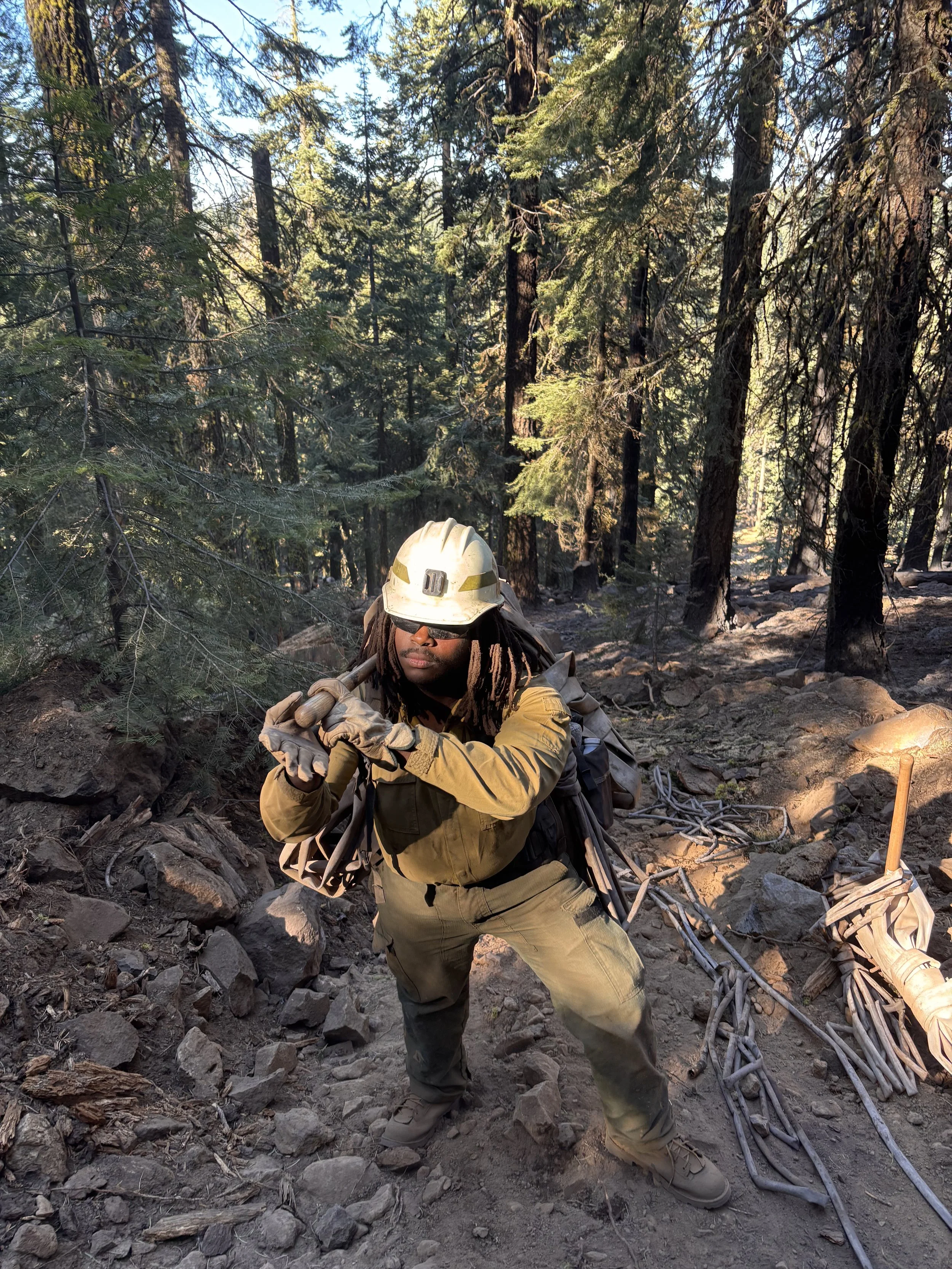
This last summer, I had the privilege of being the first person to see my friend, Lord (yes, like a medieval lord), after he completed his wildland firefighting training. The look in his eyes as he slumped into the passenger seat was one that only somebody who had also spent 16 hours per day lugging gear through the woods could replicate. Yet, somewhere behind the glaze of exhaustion, I saw true pride within him—a fire, you could say—in a way that I hadn’t seen before over our years of friendship. Now, on the other side of his first roll, I can see why.
The Gaff
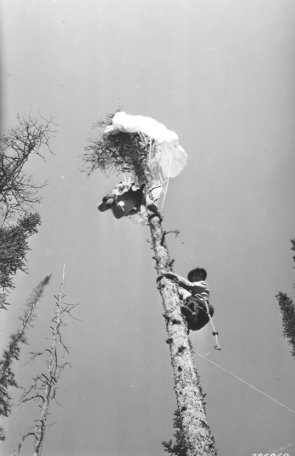
The dawning twilight signaled us that we had really contained this fire. Time to return to the jump spot where our mixed load of Jumpers from several bases stowed our cargo boxes. There we’d find a food bag and sleeping bag and reconnoiter a place on the slope that could be serviceable for a sleeping hootch. Then we will join the communal campfire for food, fabulous fables, and friendship. Here comes “the hour of the pearl” as Steinbeck called it…
Minnesota Fire Leeches
Incendiary Imbeciles #12
For those whose destiny intertwines with fire lands, the ethics of wild, ethereal, untrammeled places become mosaics of parity and belonging. For those who journey born-again or always-been, stoic and bountiful firescapes bequeath thousands of beautiful, singular memories when encountered with abiding reverence. Wildfires can be stochastic and auspicious disturbances that bring great opportunities for ecosystems, firefighters, local contractors, and other parasites.
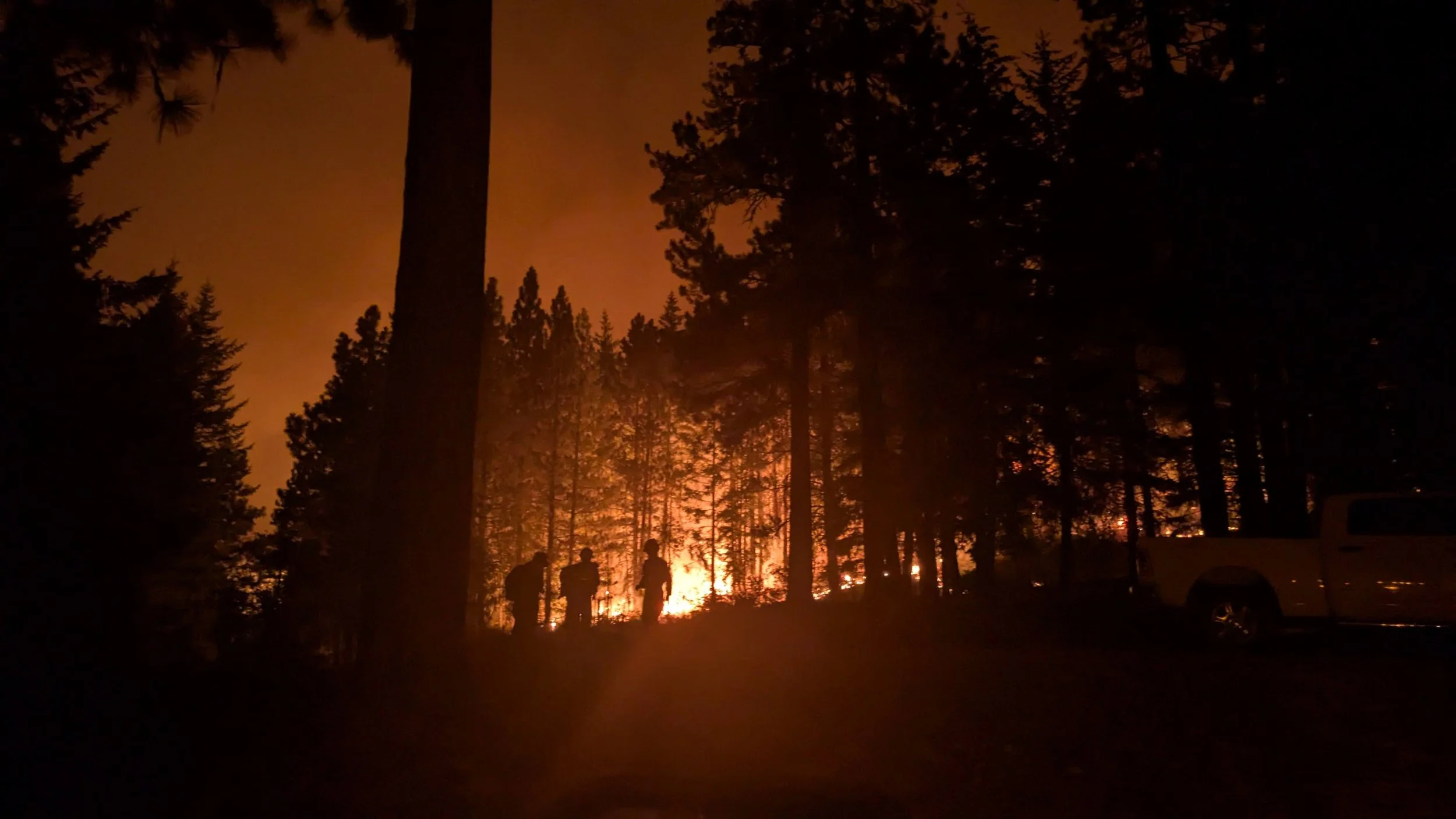
Ending America's ‘Forever War’ on Wildfire
Many have dubbed the ongoing, prolonged military conflicts that litter the present political climate as “forever wars.” Most Americans are fed up with these perpetual conflicts, often started with empty promises from politicians and ending in massive numbers of lives lost and widespread destruction.
While these foreign “forever wars” can last decades, this is not the case with the “forever war” being waged on our home soil against the nation's public lands: the government's century-long war against wildfire.
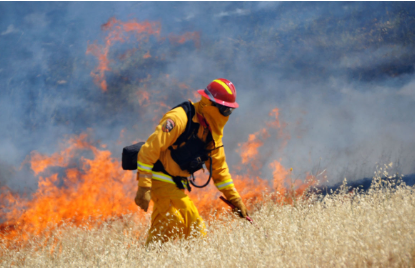
Cheery Creek Ember Storm
Incendiary Imbeciles #11
Wildland firefighters remain united to safely and ethically work together to improve ecosystems and insure that no one is left behind. During burning out operations, these skookum fire practitioners, akin to ethical shepherds, make fire-prone ecosystems fire-permeable by herding low intensity fire into places where fuel can be safely consumed. But all bets are off when you can’t properly predict the weather!
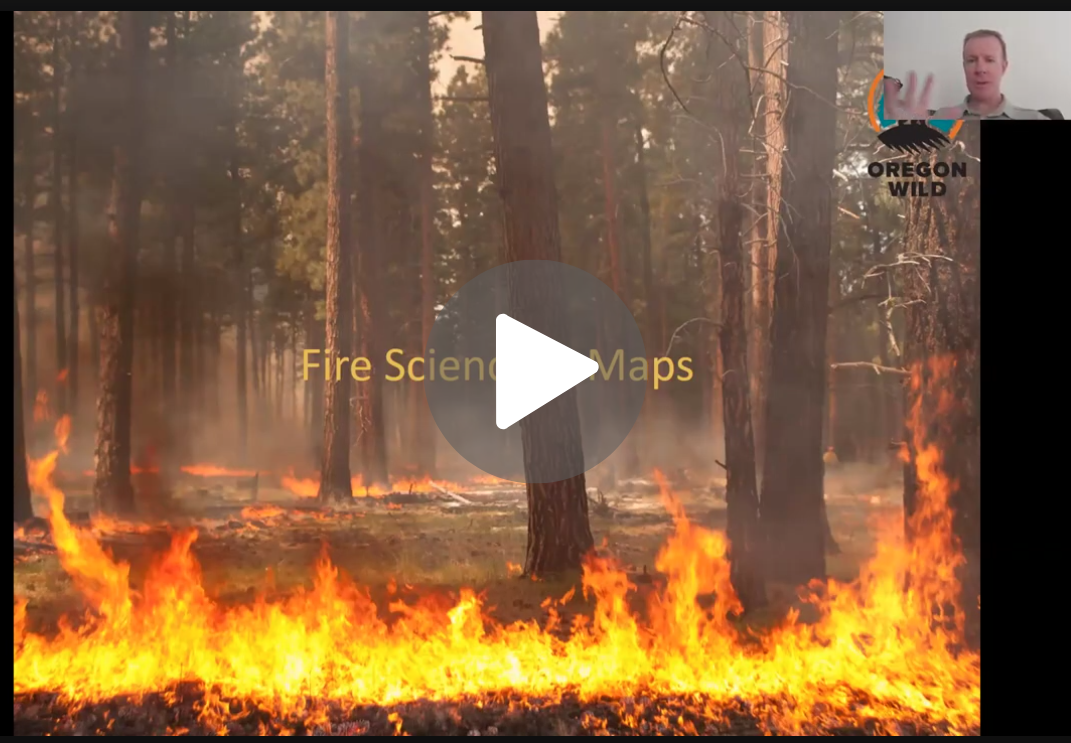
2026 Pre-Season Fire Briefing Press Conference
Alongside Oregon Wild, FUSEE provides current policy and concerns about the encroaching fire season.
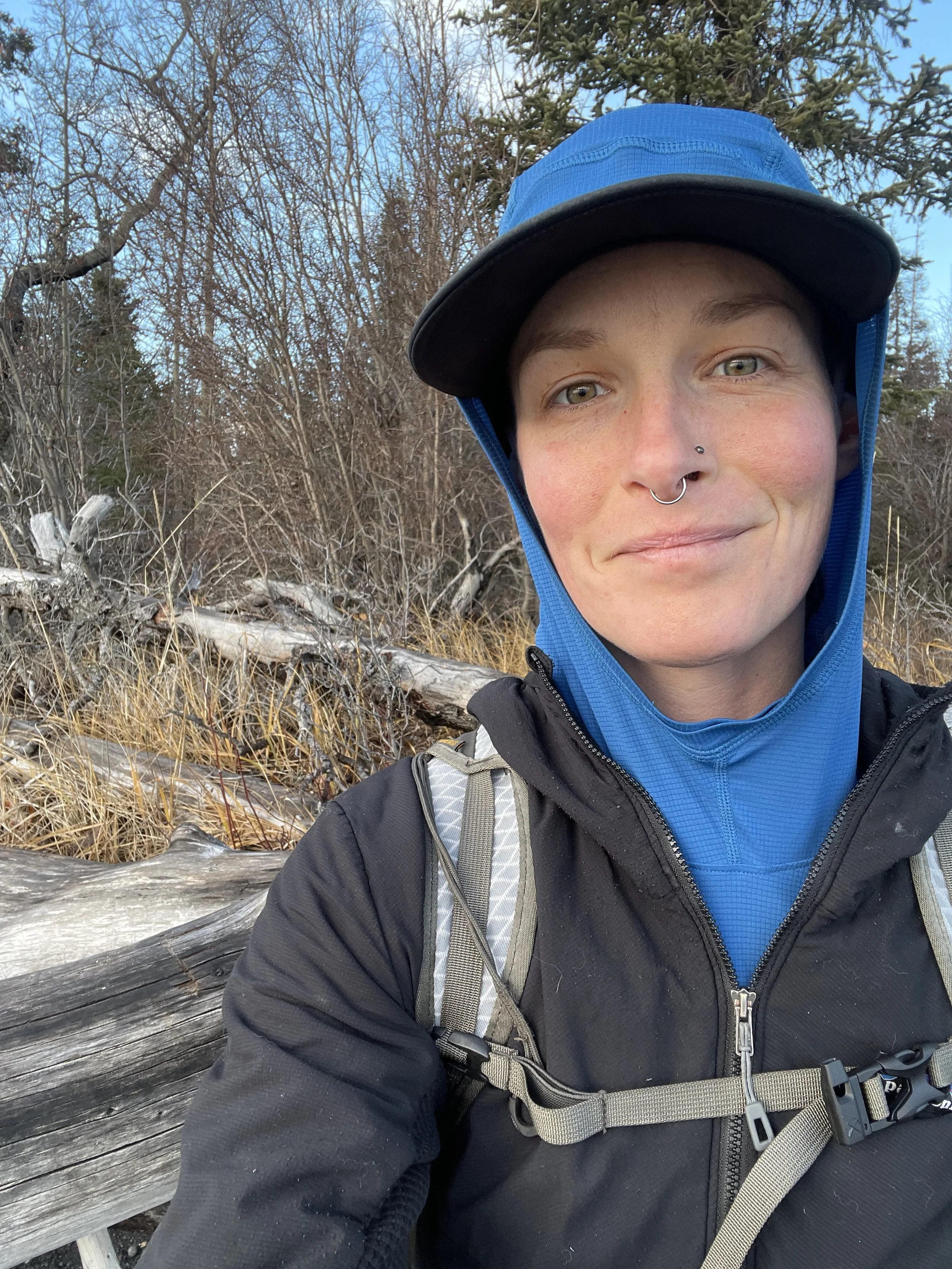
Belonging in the Fire Community
We interviewed Echo Cunningham (they/them), a Fire Specialist with the U.S. Wildland Fire Service / Alaska Fire Service, a cat parent, and passionate birder. Echo has attended two of FUSEE’s wildland firefighter retreats, and served as a peer leader at a retreat in January.
Fatherhood and Wildland Fire
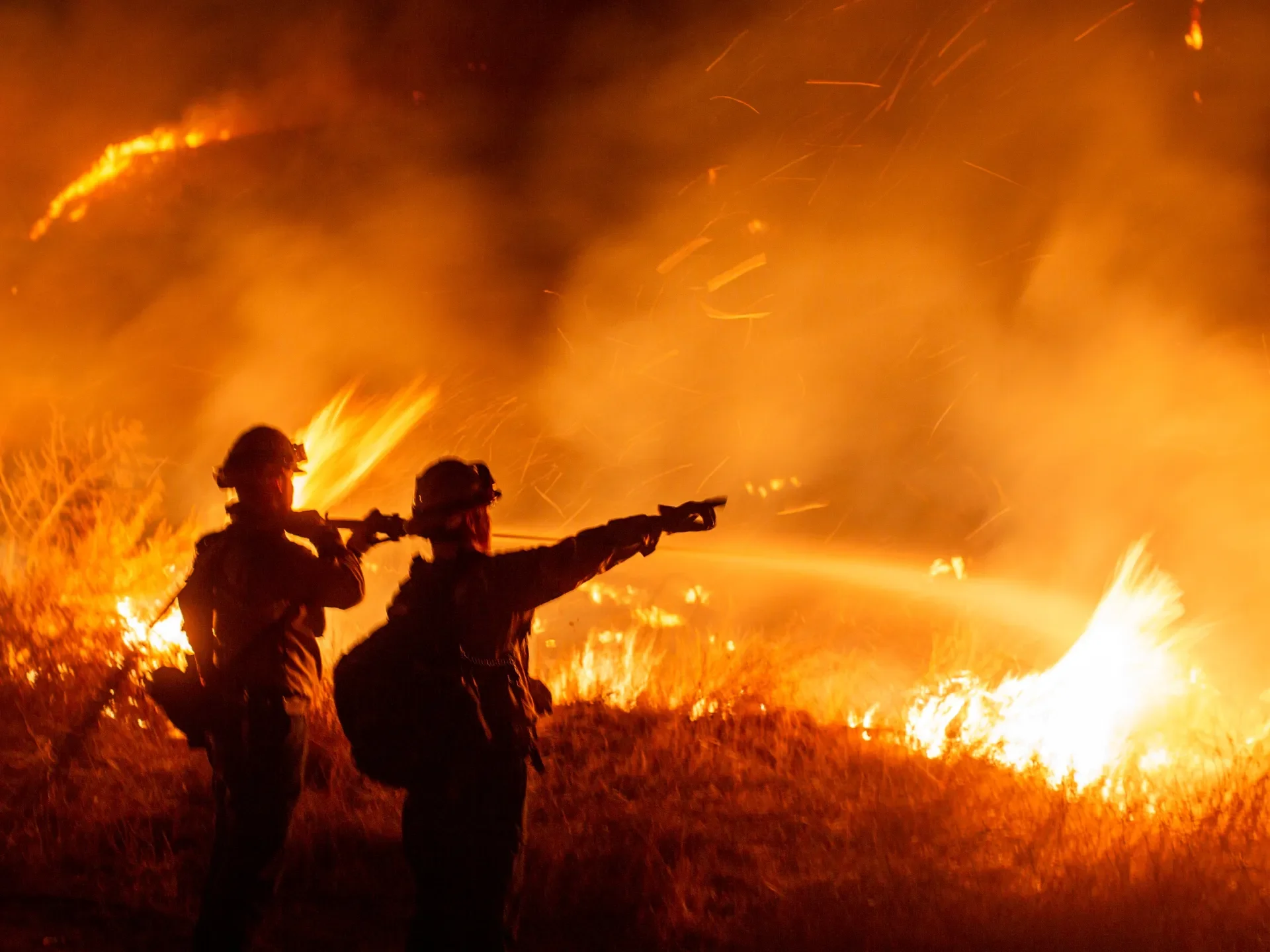
This Father’s Day, we honor all the dads who work in wildland fire. We interviewed Maxwell Hale, a Squad Leader of Redmond Hotshots, a Tribal citizen of the Confederated Tribes of Grand Ronde, and a father of three children: a 9 year old boy, 6 year old girl, and a 4 year old boy. Max has attended two of FUSEE’s wildland firefighter retreats, most recently in the fall as a firefighter leader.
Saving Private Cryin’
Incendiary Imbeciles #10
Private inholdings surrounded by public land wilderness have dubious origins; usually because they originate from dubious mining claims. Some private backcountry ranches provide access through their landing-strip meadows. When allowed to fly in here, wildland workers can conduct public purposes such as enhancing ecosystems.
Will Prescribed Fire Practitioners Finally get Hazard Pay?
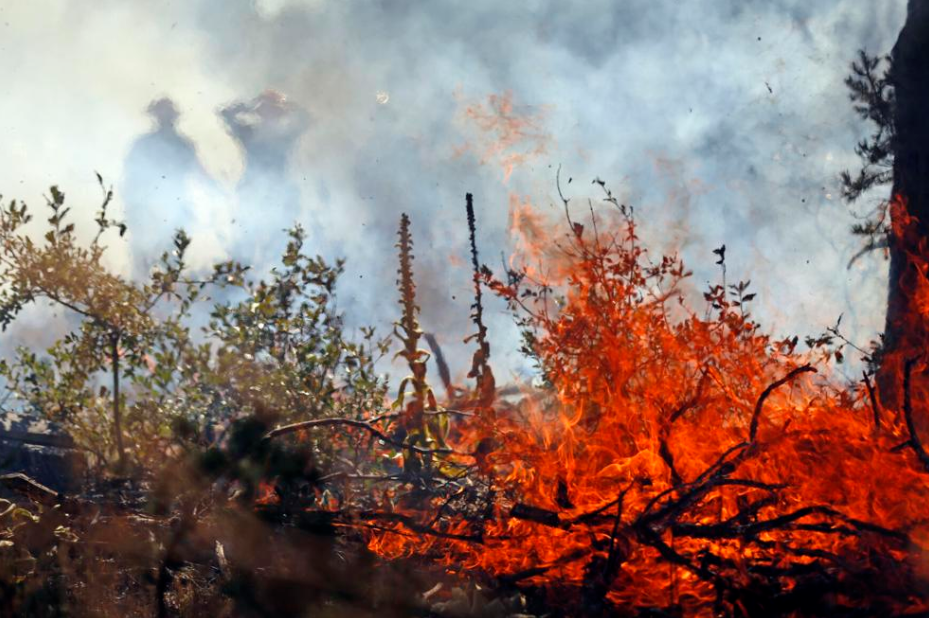
Public comment by FUSEE Board Member, Rich Fairbanks:
“I strongly support the Office of Personnel Management’s proposed rule to establish Hazardous Duty Pay (HDP) and Environmental Differential Pay (EDP) at a 25 percent rate for federal employees performing prescribed wildland fire activities. As someone who spent years on the fireline as a General Schedule seasonal firefighter conducting controlled burns, I can attest firsthand that this rulemaking is long overdue.
How Firefighters Heal
This week is Mental Health Awareness Week (May 11–17), and the 2026 theme is Action.
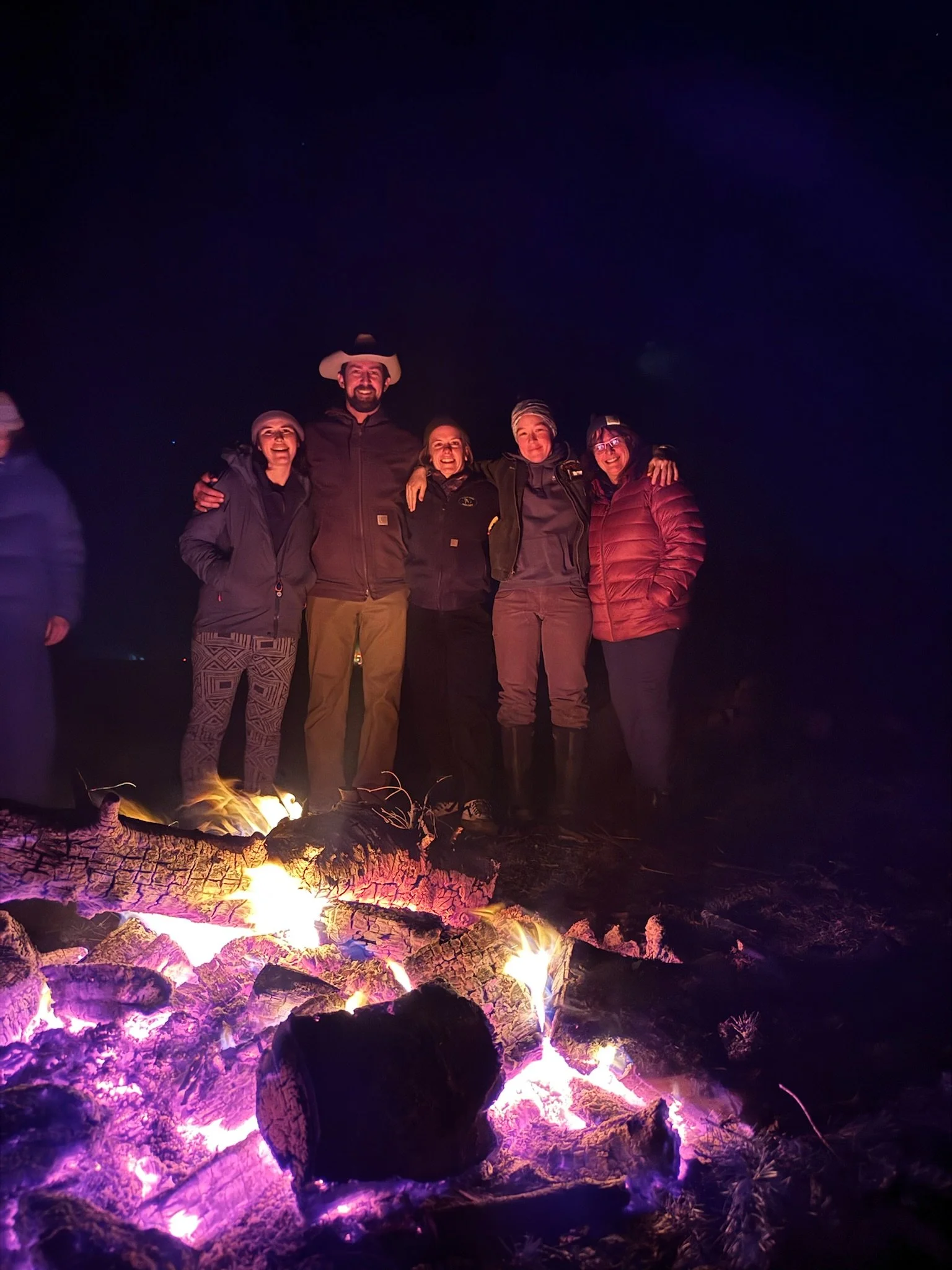
We can think of no better illustration of wellness in action than what we've witnessed over the past year across three wildland firefighter wellness retreats held at Tassajara Zen Mountain Center, Wellspring Spa, and Great Vow Zen Monastery.
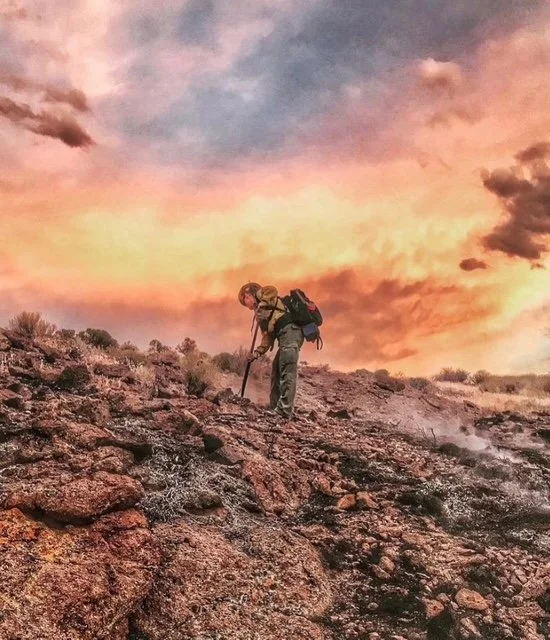
Motherhood and Wildland Fire
This Mother’s Day, we honor all the moms who work in wildland fire, whether they work in fire or left fire because of their role as a mother.
We interviewed Dani Shedden, a Licensed Professional Counselor (LPC) and Nationally Certified Counselor (NCC) mental health counselor and owner of Close the Gap Wellness with a background as a wildland firefighter with the BLM and USFS and education in Fire Ecology.
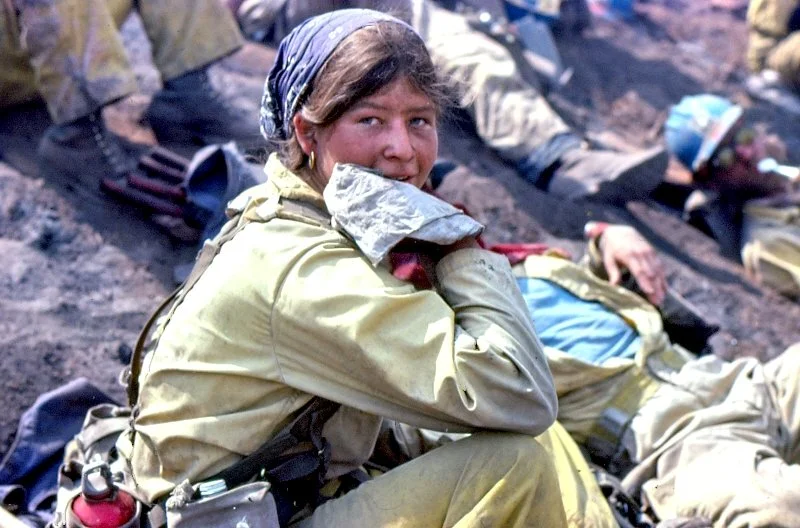
Sue Husari: A Life in Fire, Leadership, and Care — Women’s History Month Spotlight
In a field long defined by grit, endurance, and tradition, Sue Husari has spent nearly five decades helping shape what wildland fire can be, both on the fireline and within the culture surrounding it.
Sue’s career began in 1975, when she took a summer job in fire while in college. What started as a practical decision quickly became a calling. She stayed for the people, for the purpose, and for the deep connection to land that fire work demands.
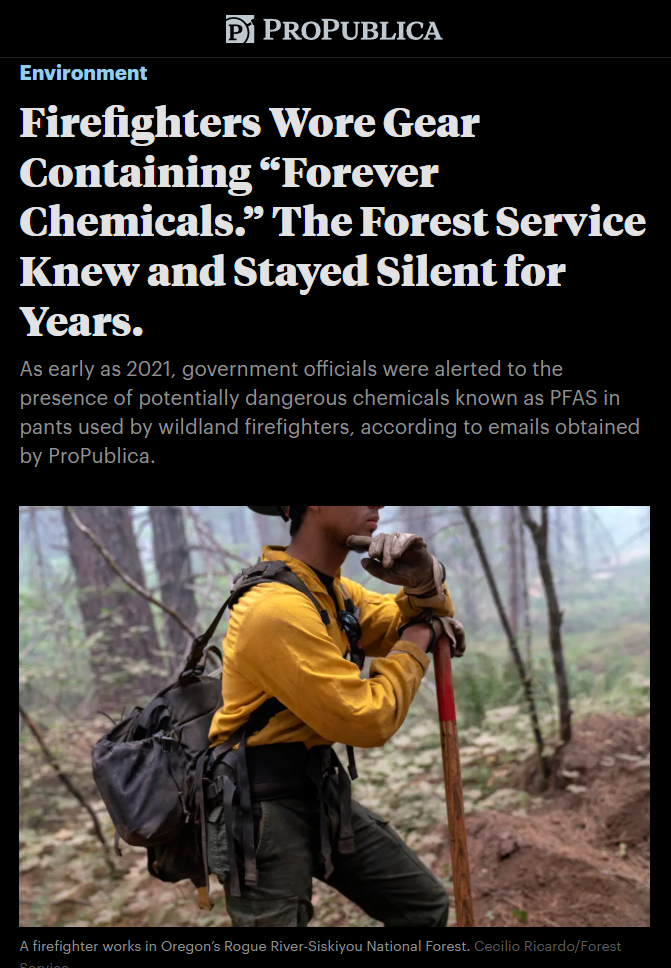
Firefighter Safety Means More Than Surviving the Flames
When people think about firefighter safety, they usually imagine the obvious dangers such as flames, falling trees, aircraft accidents, or thick smoke. But many of the most serious threats to wildland firefighters are far less visible. Firefighters already face enormous physical and mental stress from long seasons, low wages, time away from family, and exposure to traumatic scenes. On top of that, research is revealing a disturbing truth: the gear they wear and the food they eat on the job may also be exposing them to toxic chemicals linked to cancer and other serious illnesses.

How to Avoid Colonial Environmental Language in Your Public Comments
This white paper provides recommendations around Tribal sovereignty and environmental justice that we hope will be useful to organizations and individuals as they comment on the Draft Environmental Impact Statement for the Northwest Forest Plan (NWFP) amendment. We hope that these suggestions reach a diversity of organizations and individuals with divergent visions of federal land management.
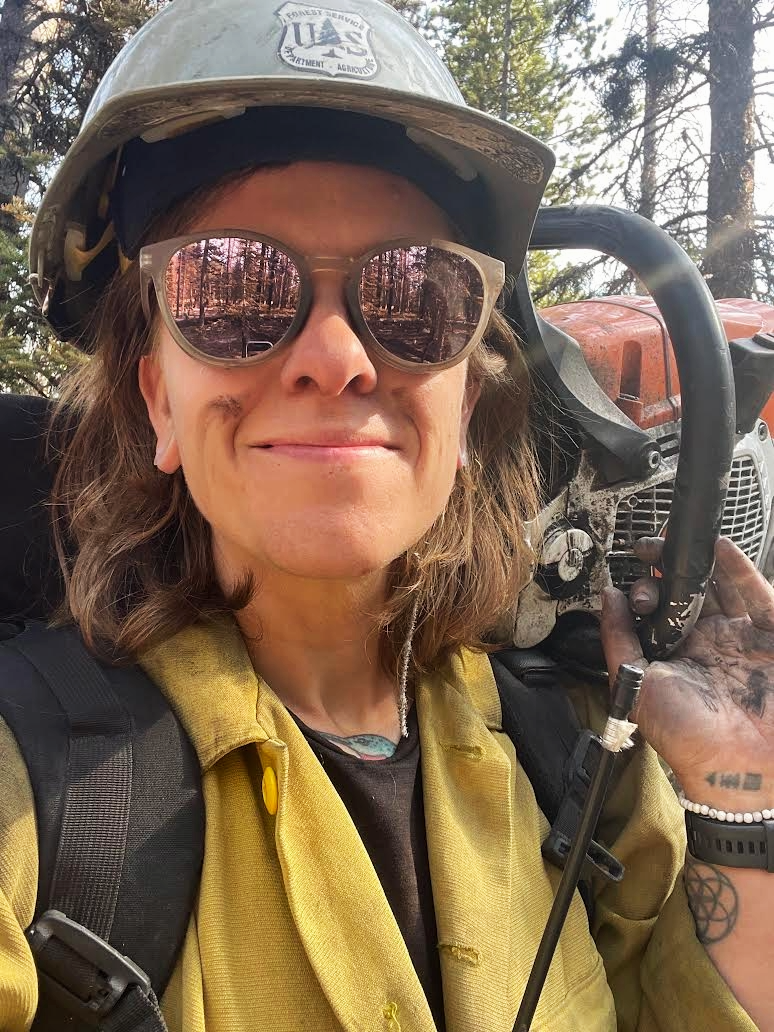
Women’s History Month Spotlight: Wildland Firefighter Jess Hamner
For U.S. Forest Service squad boss Jess Hamner, wildfire isn’t just a job, it’s a way of connecting to the land and the people around her. Now in her fifth season on a Type 2IA hand crew in Utah, Jess says what she loves most about fire is the chance to travel to places few people ever see, build deep relationships with her crew, and feel rooted in the landscapes she helps protect. “When you live with 23 people on a truck for a summer,” she says, “that’s family.”
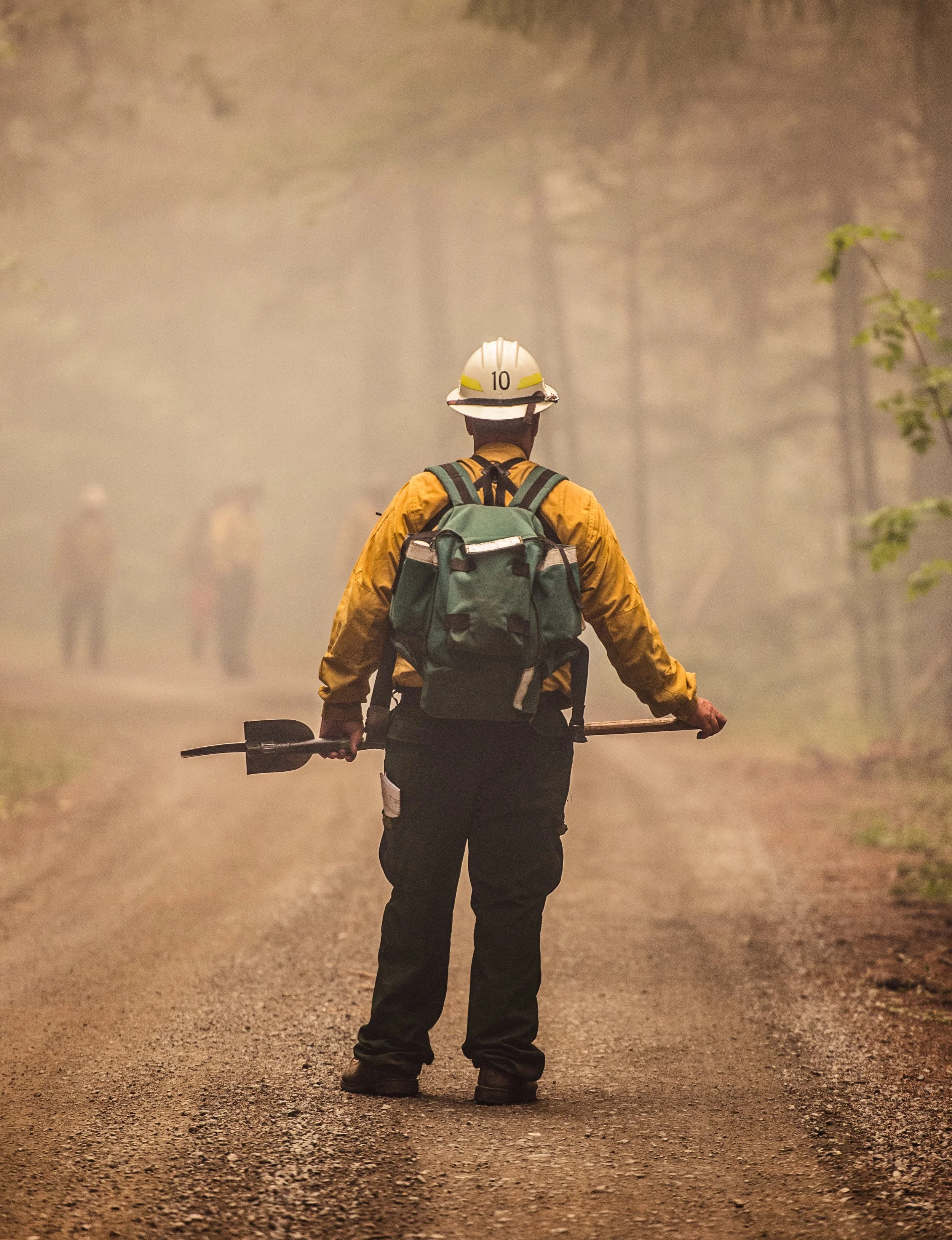
Firefighter Safety is the #1 Priority: Safety Risks Include Physical and Mental Health Hazards
The majority of wildland firefighters are a super exploited seasonal labor force with abysmal wages and horrible working conditions. The job has inherent dangers from numerous environmental and occupational safety risks and health hazards. Crews suffer often in silence from chronic social and environmental stresses that impact their mental health.