Motherhood and Wildland Fire
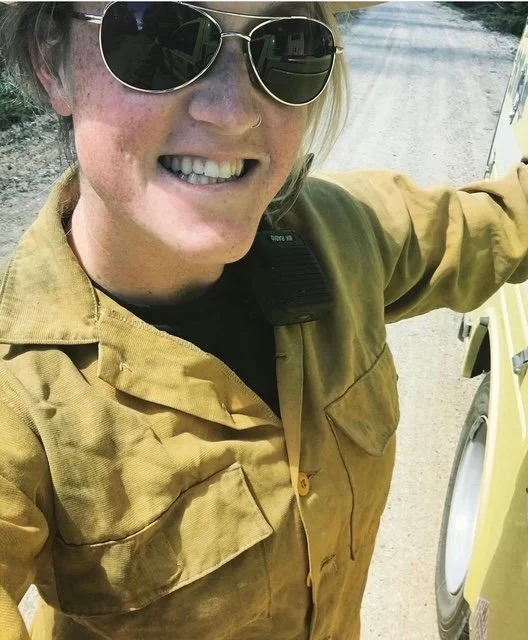
Dani Shedden
This Mother’s Day, we honor all the moms who work in wildland fire, whether they work in fire or left fire because of their role as a mother.
We interviewed Dani Shedden, a Licensed Professional Counselor (LPC) and Nationally Certified Counselor (NCC) mental health counselor and owner of Close the Gap Wellness with a background as a wildland firefighter with the BLM and USFS and education in Fire Ecology. She has served as a Peer Supporter, Peer Lead, and Coordinator for the Critical Incident Stress Management (CISM) Interagency programs. She continues to work as a CISM Clinician, Mental Health Educator focused on wildland firefighter issues. Dani is also a partner of FUSEE and is a facilitator of our wildland firefighter retreats. She has two children, ages 12 and 14, and a dog!
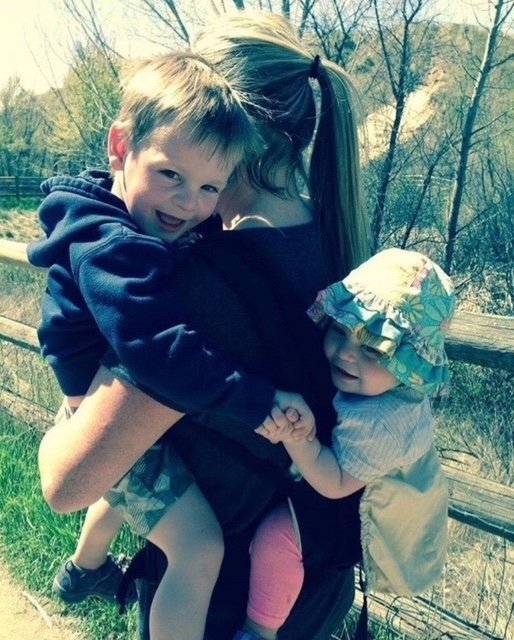
When her kids were smaller, they helped her train for the pack test.
Q: How do you balance motherhood with supporting the Fire community, especially during intense fire seasons?
Dani: Balancing motherhood and fire seasons has never been easy for me. I still feel mom guilt, regret missing time with them, and question if this decision is worth it. The time I do have with my children is quality and uninterrupted time. I pour much of my down time into my kids and outdoor activities with them. We love to bike, walk the dog, cuddle and watch our favorite show "High Potential", and make dinner together. I try to remember that comparing my life to other mothers is not helpful and my experience is very different with supporting a fire community especially mid-summer.
How do you help firefighters navigate the emotional weight of their work while staying connected to their families?
I try to assist firefighters in navigating the emotional toll of this job and gently remind them that this toll impacts all of our relationships outside of work as well. The guidance I have is that any time you spend with your family is time well spent. You do not need a grandiose plan to connect. In some regards, we must learn to separate home life and work life to preserve family relationships. If you say family is a priority then show up to that priority however you see fit or however they are requesting.
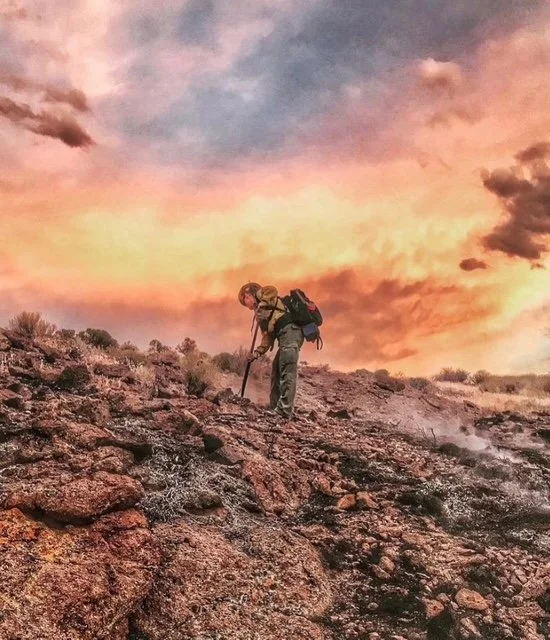
Dani on the fireline
How can partners, friends, and communities better show up for firefighters and their families during and after fire season?
The best ways to show up as a partner, friend, or community member for a wildland firefighter are by practicing grace and understanding. Do not take it personally when they are called to that next fire and they won't be at the 4th of July celebration because it's not personal. They need patience, love, and support. During and after fire season it is best to have a plan regarding expectations for days off and communication. This allows all parties to know what is helpful and what isn't necessary.
For example, with a partner: "I plan to text you when able during fire season but communication can be unpredictable. Even though this is unpredictable, it doesn't mean I am abandoning you or that I don't care about you. During the off-season, I want to plan meaningful, uninterrupted times for us to connect and ensure good communication." Or, with a community like rock climbing: "just because I am gone in the summer doesn't mean I do not care or don't want to spend time with you all. And I plan in the off season to come back and commit more time to this passion and spend time being a part of this community outside of my job."
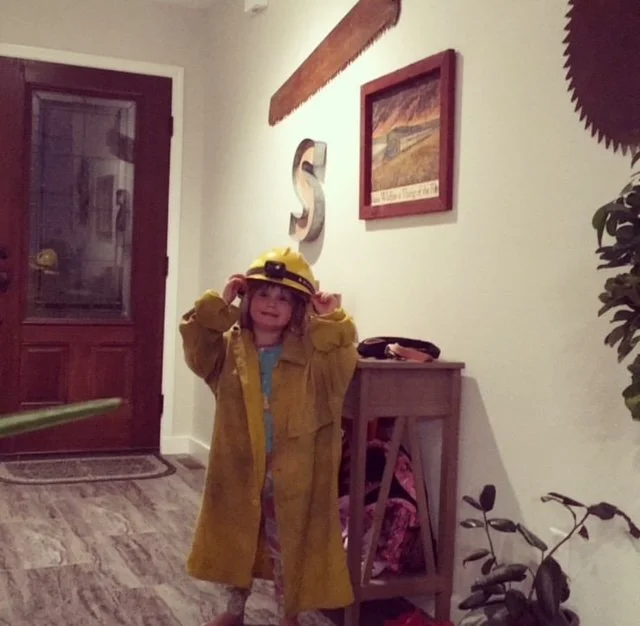
Dani’s daughter tries on firefighting gear
How do you take care of your own mental health while caring for both your family and the Fire community?
I am a huge advocate for seeking care preventatively and I am very proactive about how I address my own mental health needs. I actively see my own therapist at least every other week to ensure my well-being and continue working on my mental health. I also lean on my support system and actively stay in contact with my friends and family. I am also a huge advocate for having a support system outside the fire community such as friends from graduate school or friends who share common interests outside of fire. Also, my self-care routine is critical; it typically consists of working out daily, walking my dog when home, reading books for fun, red light therapy, using my sauna, and taking moments of silence to just be present and exist.
What would you want other mothers in the Fire community to hear right now?
I want other mothers in the fire community to know they are not alone. This sh*t is hard. And mom guilt is so real. The transition periods can be really difficult because you are managing not only yourself but also other beings and their feelings. And we also need to offer ourselves grace during these transitional periods: before, during, and after the season. You are a bada$$, I am grateful for what you do out there, and many see the challenges you face and take on with grace. And for those who want to be mothers someday, it is possible, so have hope. It takes strong logistics skills and a whole village of support, but if you want it you will make it work.
If you could share any other message or advice with the Fire community this Mental Health Awareness Month and this Mother’s Day, what would it be?
If I could share any message this Mother's Day, I would say this: thank you to all the mothers who fight fires, who raise those in the fire, and to the spouses who are mothers holding down the line at home. I know what it is like to not feel recognized or seen for these efforts, but I see you and I am so grateful. I can remember many Father's Day celebrations at the stations, with families visiting if we were available and home, but Mother's Day celebrations did not exist. I hope in the future we see change in celebrating both men and women in fire and the roles they also have outside of work with their families.
As for Mental Health Awareness Month, be proactive. Take small steps, create small habits, lean on your support system, and address mental health concerns, big or small as they arise. You are not alone. The fire community is stronger together and you have so many people just waiting to support you through this journey.
For fire leadership, if we prioritize and discuss mental health through emails and meetings, we must actively support it. Your employees are watching you, when you don't take time off, seek support when you need it, or neglect your own mental and physical health. Lead from the front by doing. We need you not just to talk about this, but to live it. The culture around fire will change to accept mental health and we need your support to make this happen.