Wildland Fire Policy Advocacy
Fighting for safe, ethical, ecological fire policy.
FUSEE advocates for wildland fire policies that protect communities, restore ecosystems, and keep firefighters safe.
As an independent nonprofit, FUSEE speaks truth to power in ways that many public agencies and private contract employees cannot.
We advocate for a paradigm shift away from reactive, costly fire suppression and toward proactive, community-first, ecological fire management. We stand firm in our fight for science-based solutions, firefighter health and wellness, and Indigenous sovereignty.
Our policy positions are grounded in the best available fire and climate science, informed by Indigenous ecological knowledge, and guided by the voices on the firelines.
Current Fire Policy Issues
Learn about the burning issues in fire policy and our stances on them.
-
We’re advocating for accurate pay and lower barriers for prescribed fire and cultural burning.
-
Five federal fire agencies under the DOI have been consolidated into one agency: The U.S. Wildland Fire Service.
-
The Trump Administration wants to build new logging roads in national forests. FUSEE fights back.
-
The Fix Our Forests Act contains both beneficial and detrimental language regarding logging, forest management, and Tribal sovereignty.
-
The Northwest Forest Plan is undergoing amendments. We’re advocating for Tribal sovereignty and fire inclusion.
-
Wildland firefighters face extreme hazards on the job. They deserve comprehensive protection and support for their health and safety.
-
Read about other policies we’ve worked on and explore our archive of policy documents.
Prescribed Fire & Cultural Burning
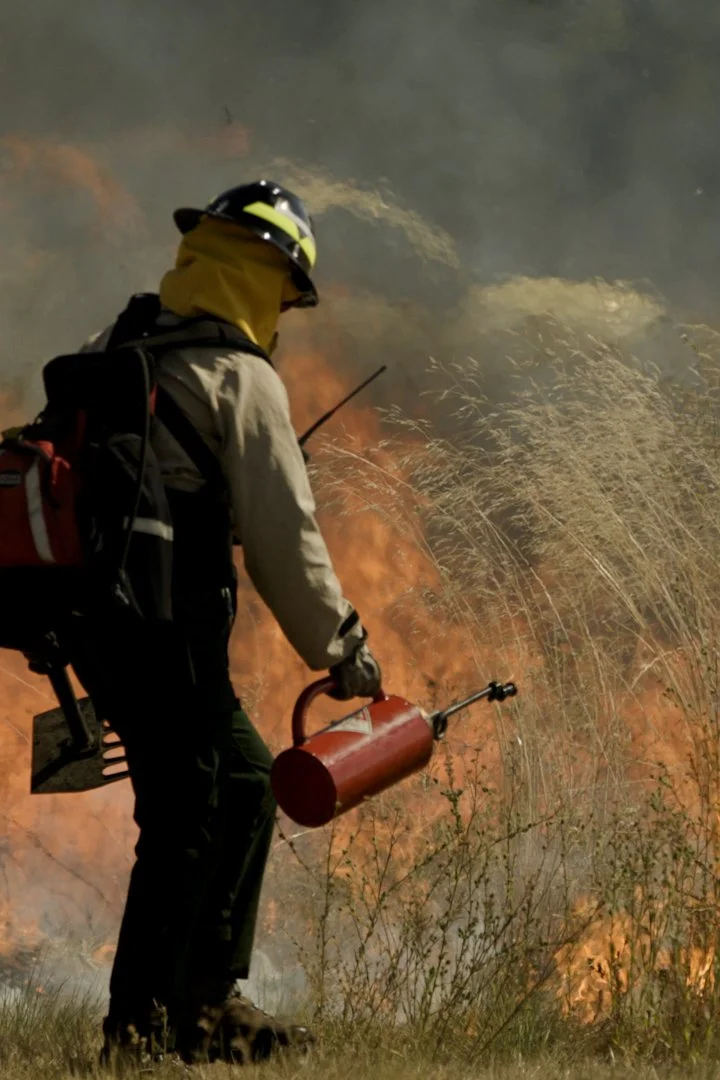
Beneficial fire, including prescribed fire and cultural burning (a Tribal practice since time immemorial), is the act of putting intentional fire onto the land in order to reduce high-intensity wildfire risk, promote new growth, connect with Indigenous community and non-human relatives, and restore ecosystem health. Yet a history of suppression-first tactics, operational barriers, and unequal pay make it difficult for beneficial fire to reach the land.
We’re advocating for reduced barriers, funding support, and equal pay for beneficial fire activities.
Take action. Learn more.
Wildland firefighters and prescribed fire practitioners alike face occupational and environmental hazards on the job. But not all assignments receive hazard pay to compensate for what they face. While federal wildland firefighters on wildfire suppression assignments receive hazard pay, prescribed burners don’t. We’re working with NFFE to advocate for differential pay for prescribed wildland fire activities.
FUSEE endorses California’s Good Fire Act (AB 1699). Expanding prescribed fire protects Californians from catastrophic wildfire while restoring our landscapes. The Good Fire Act provides practical solutions to credential bottlenecks, liability concerns, and operational restrictions that currently limit this essential work.
U.S. Wildland Fire Service
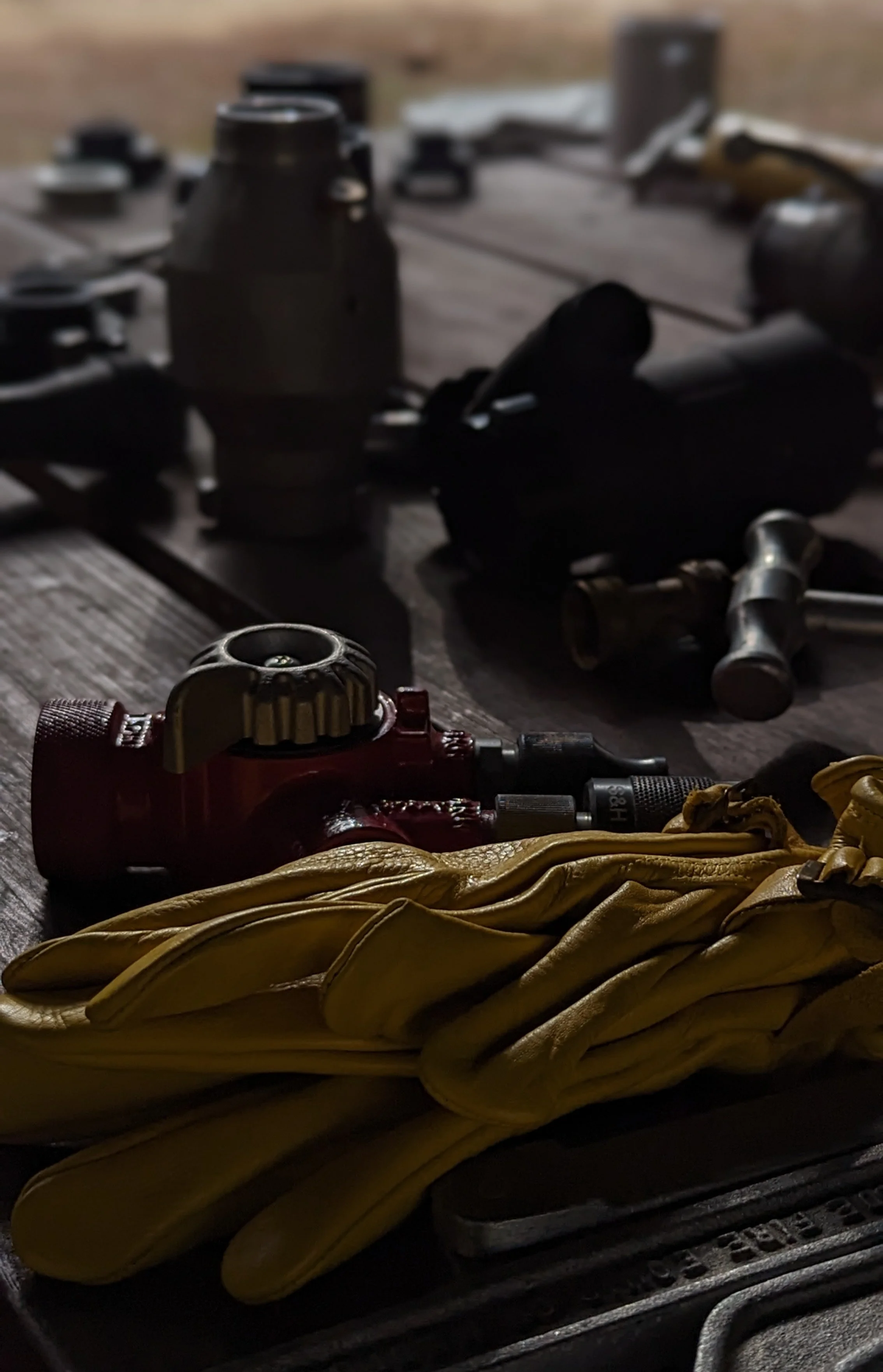
The U.S. Wildland Fire Service (USWFS) is a new agency created by Trump’s Executive Order 14308 that consolidates the wildland fire programs of 5 U.S. Department of the Interior agencies.
FUSEE is advocating for policy transformation, beyond simply agency consolidation, in the USWFS. We collected insight from over 70 wildland firefighters to guide our advocacy work in meetings with influential policymakers and agency decision-makers. We also spearheaded a movement to get the USWFS included in the Firefighter Pulse Check questionnaire, uplifting the experiences of federal firefighters. Chief Fennessy agreed to include the USWFS in the questionnaire.
Learn more.
Official documents & FUSEE’s stance on the consolidation of federal fire agencies.
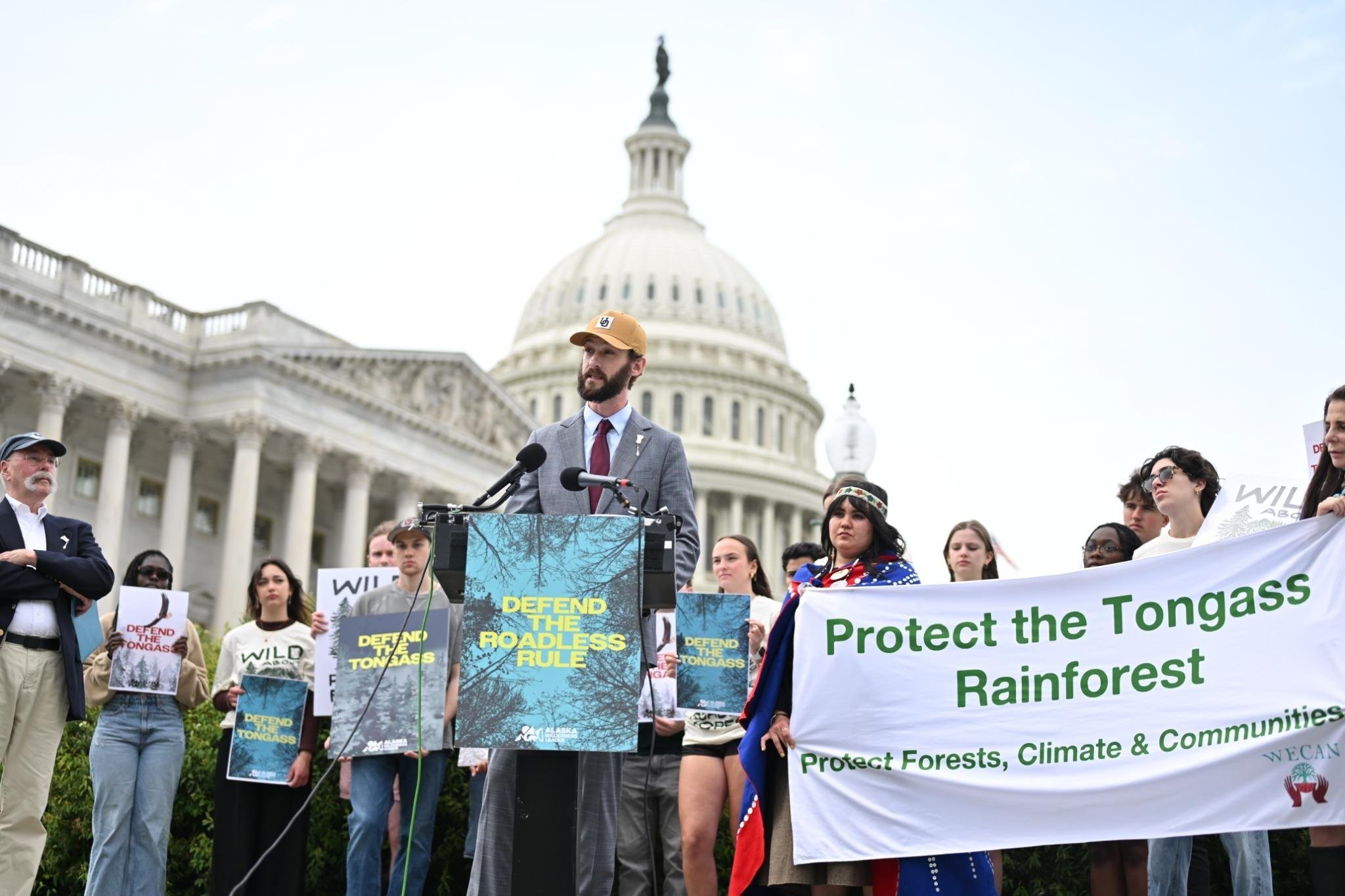
The Trump administration has proposed to eliminate the Roadless Area Conservation Rule (aka the Roadless Rule), a policy that has protected nearly 60 million acres of public lands and Tribal ancestral territories from road building, logging, and other destructive extractive practices. They claim bulldozing new roads is necessary to reduce wildfire risks and make firefighting safer and more efficient. These are blatantly false claims refuted by science and firefighters.
At FUSEE, we say, “Not in our name, you don’t!” We’re collaborating with partner organizations to defend the Roadless Rule through direct conversations with policymakers, both local and in DC, and through public education and grassroots organizing. We helped generate nearly 300 public comments through our unique public comment generator.
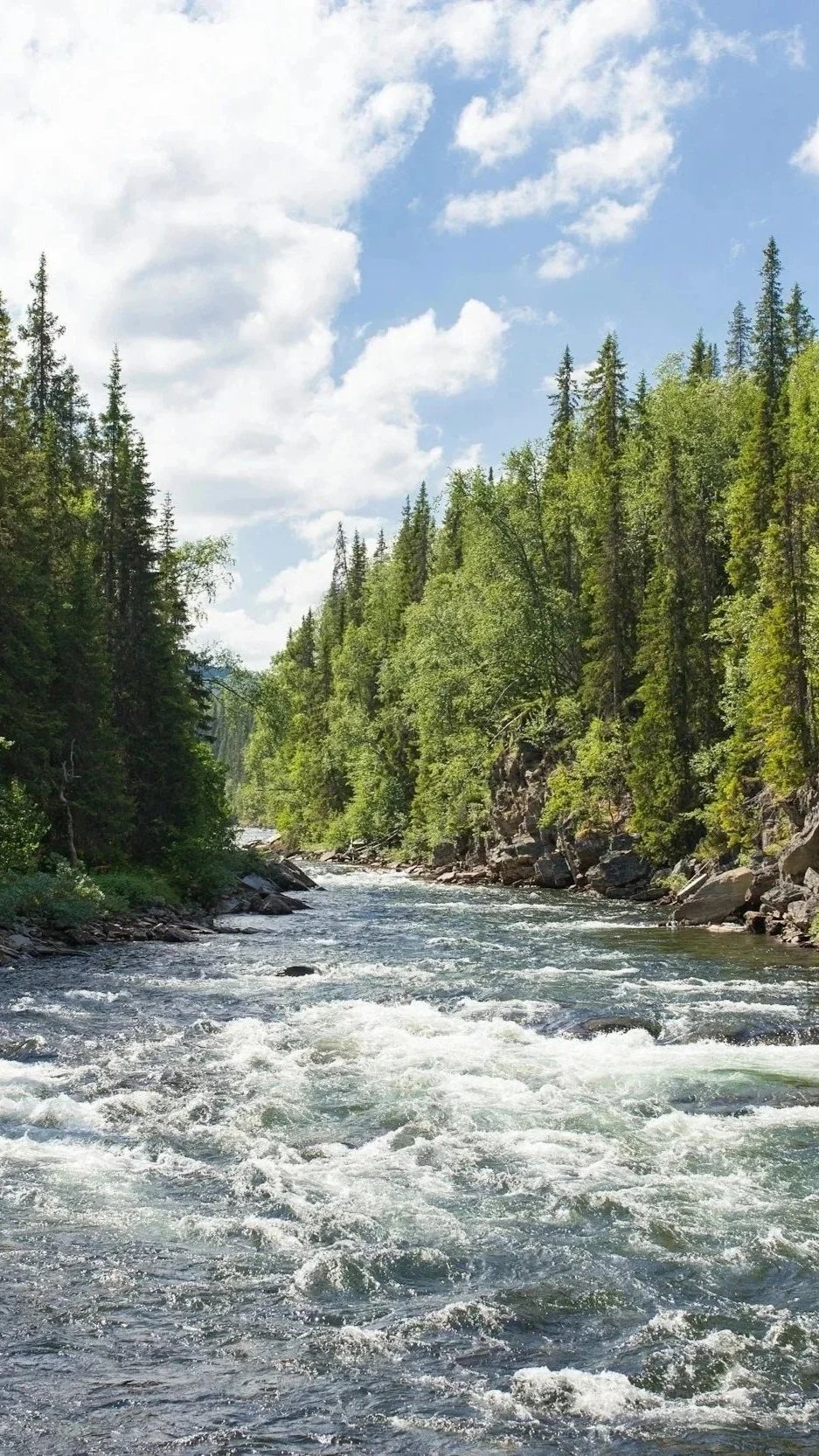
The Roadless Area Conservation Rule
Learn more.
Learn more about our stance on the Roadless Area Conservation Rule.
Check out our testimonies, press releases, and scoping comments on the roadless rule to better understand why wildland firefighters are saying: “Not in our name, you don’t!”
The Fix Our Forests Act
S.1462, the “Fix Our Forests Act” (FOFA), contains both beneficial and detrimental language regarding logging, forest management, and Tribal sovereignty.
At FUSEE, we believe that FOFA uses wildfire as a scapegoat to increase logging. We support amending FOFA to strengthen the implementation of ecological fire management, Tribal co-stewardship, and community protection. We oppose the undermining of accountability, science, and public engagement in federal land management.
We’re advocating for amendments to FOFA with policymakers.
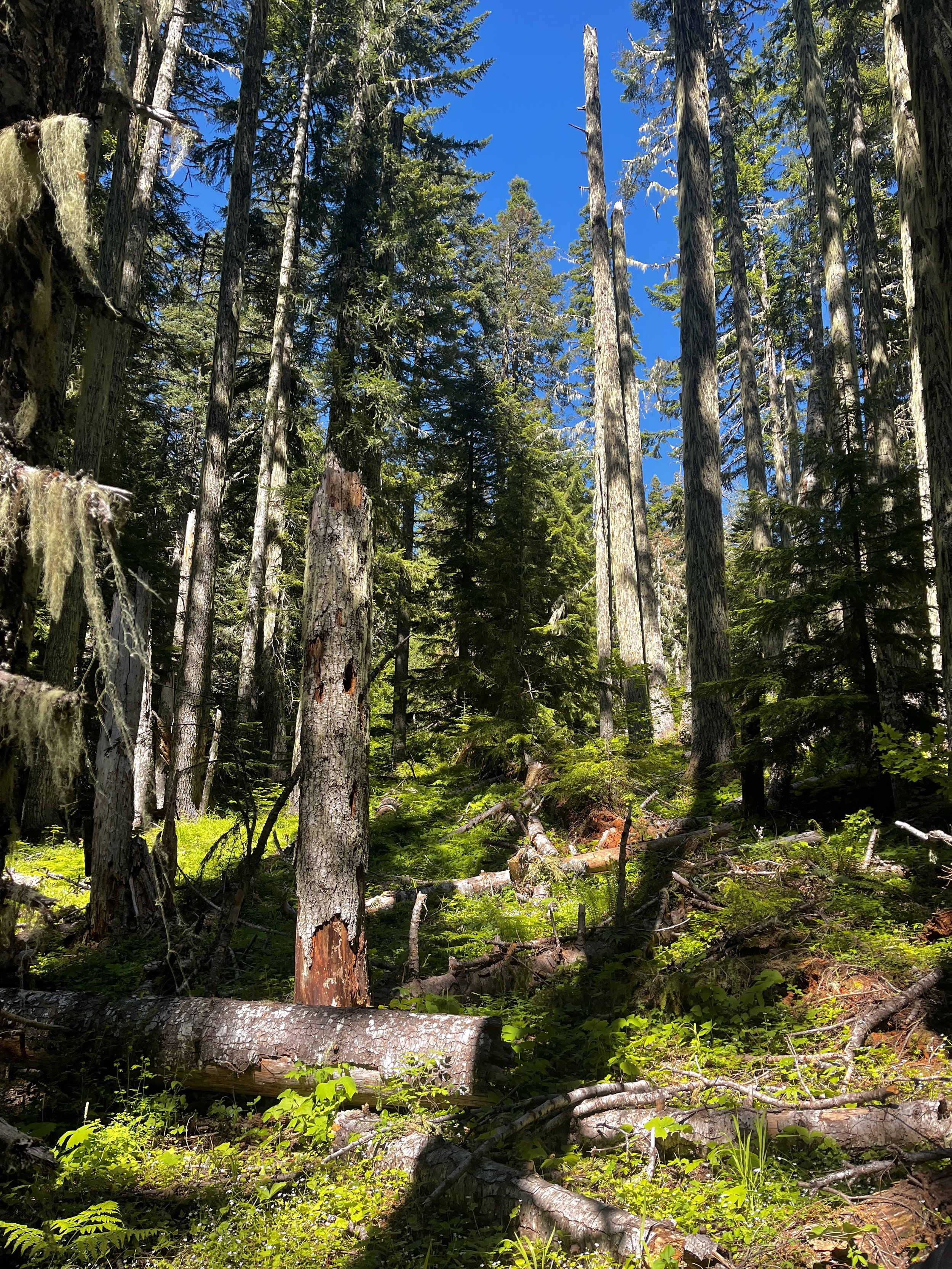
Read our detailed stance on the Fix Our Forests Act in the letters below.
Learn more.
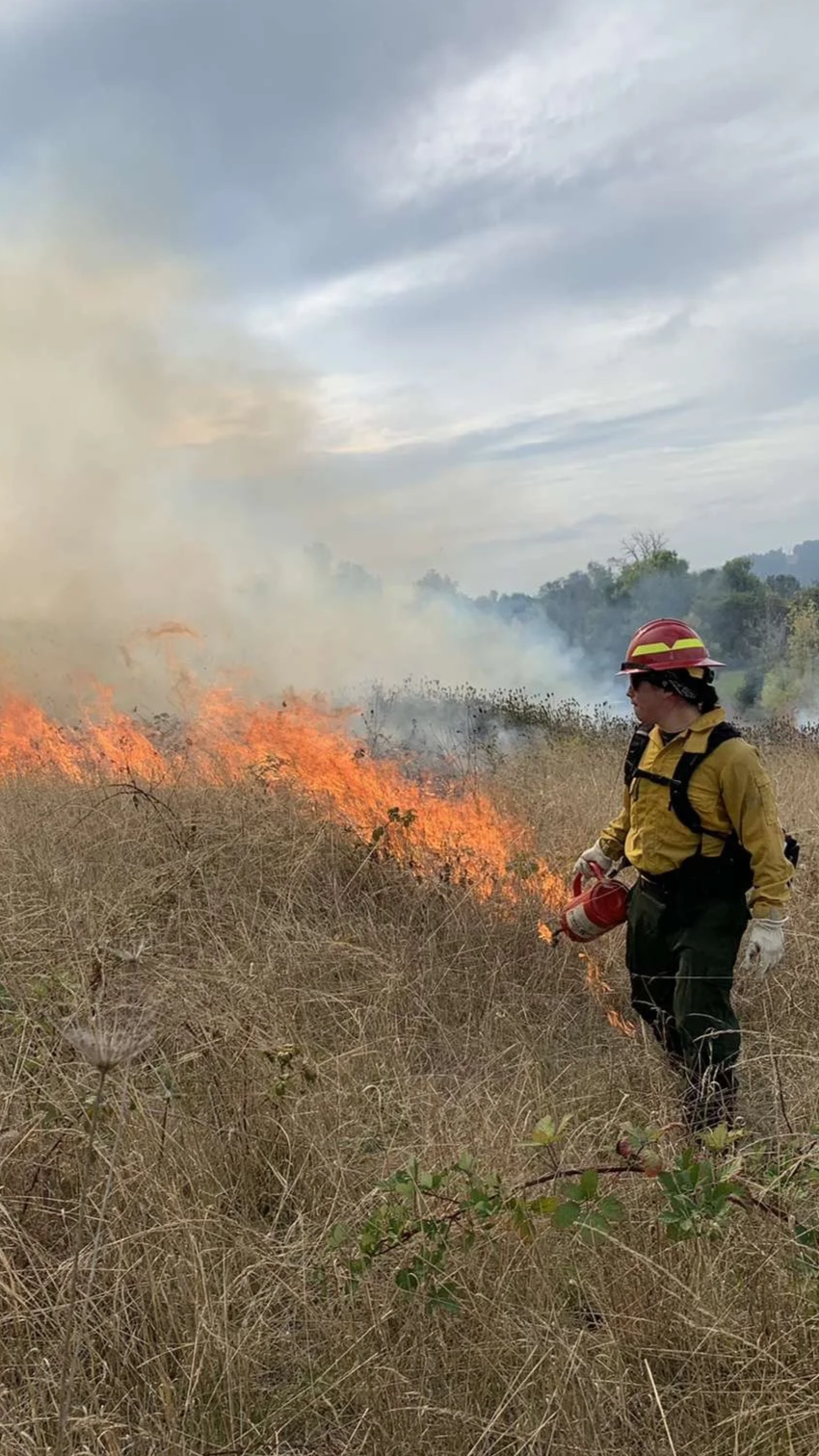
Northwest Forest Plan Amendment
For nearly 30 years, the Northwest Forest Plan (NWFP) has directed management in western Washington, Oregon, and northern California, protecting old-growth forests and healthy stream habitats while still providing limited timber extraction in National Forests. An amendment process began in 2023 and is ongoing.
FUSEE and our partners at FireGeneration Collaborative have been key players in the amendment process, advocating for Tribal sovereignty and fire inclusion.
Take action. Learn more.
Check back here for additional calls for public testimony.
Explore our resources on giving public comment about the NWFP.
Official documents & FUSEE’s stance on the consolidation of federal fire agencies.
Wildland Firefighter Health & Safety
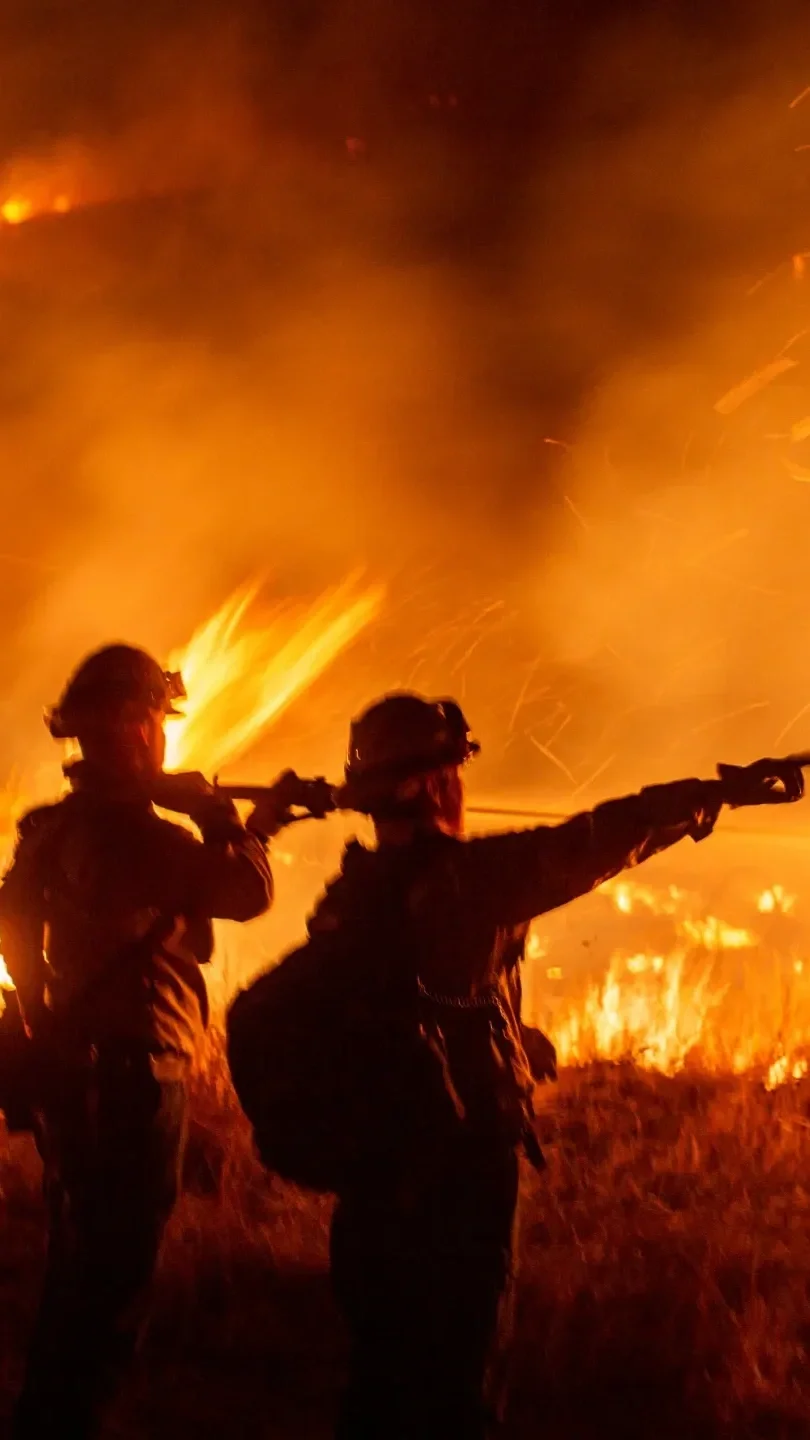
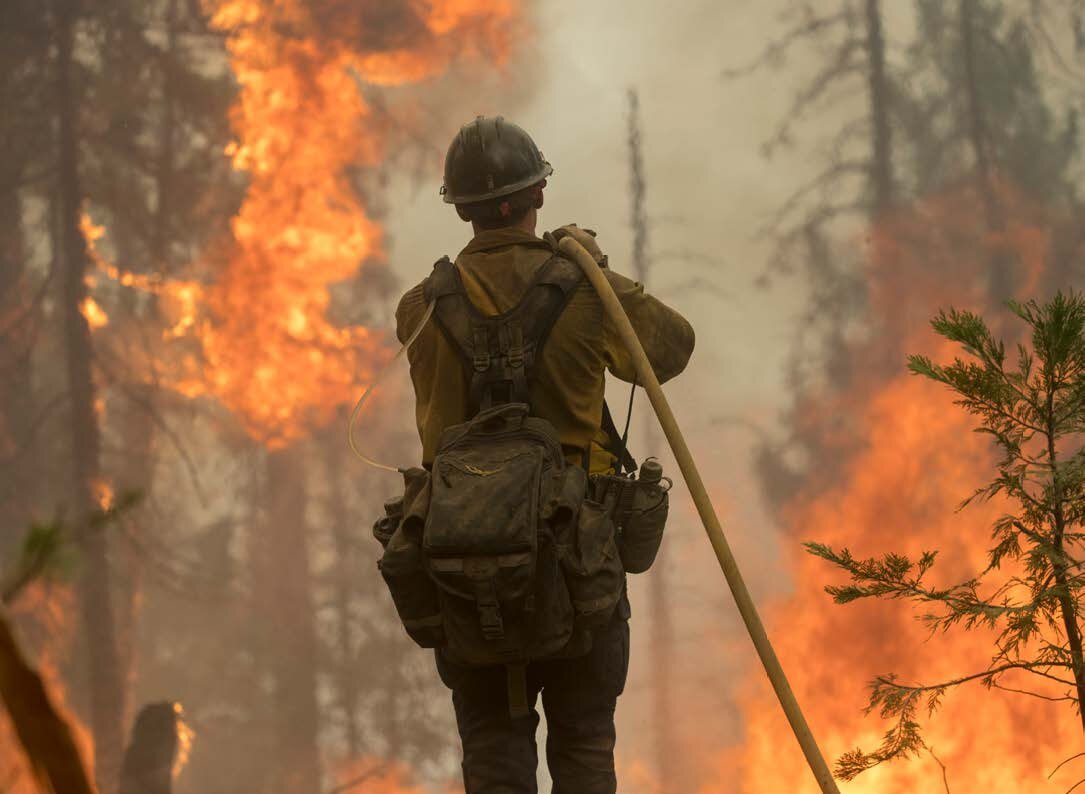
Wildland firefighters face extreme hazards on the job. Smoke and chemical exposure, extreme heat, physical strain, and traumatic stress are just a few of the numerous dangers that firefighters face in order to protect communities and forests. Many of the health consequences of the job arise years after leaving the fireline, like rare cancers or musculoskeletal damage, yet the medical care that firefighters are offered is inadequate to address them.
FUSEE supports legislation that promotes stronger, more comprehensive approaches to firefighter health and safety.
We supported the creation of and endorse the Wildland Firefighter Health and Safety Act.
Learn more.
Other Hot Policy Topics
-
We shared our recommendations with the California Wildfire and Forest Resilience Task Force on how to strengthen their Action Plan.
-
On Fire: The Report of the Wildland Fire Mitigation and Management Commission (2023)
U.S. Forest Service’s Wildfire Crisis Strategy
U.S. Forest Service’s Wildfire Crisis Strategy Implementation Plan
U.S. Forest Service’s Wildfire Crisis Strategy Implementation Plan—2024 Update
National Cohesive Wildland Fire Management Strategy (2014)
National Cohesive Wildland Fire Management Strategy Addendum (2023)
-
Letter from National Wildlife Institute, July 29, 2021
Letter from USFS Chief Randy Moore, August 2, 2021
Letter to USFS Chief Randy Moore, August 10, 2021
Letter to Commissioner Joel Bousman, Februray 8, 2022
-
-
Wildland Fire Managed for Multiple Objectives in Southwestern Forests: Implementation Obstacles
Ecological Fire Use for Ecological Fire Management: Managing Large Wildfires by Design
Wildland Fire Use in Roadless Areas: Restoring Ecosystems and Rewilding Landscapes
The Rising Costs of Wildfire Suppression and the Case for Ecological Fire Use
-
FUSEE Letter on California’s draft Strategic Fire Plan
Copy of the draft Strategic Fire Plan can be found hereFUSEE letter on Wildfire Suppression Disaster Funding 2017
FUSEE letter on FY16 Omnibus Spending Bill (Dec. 2015)
FUSEE Written Testimony to the Senate Energy and Natural Resources Committee (June 2007)
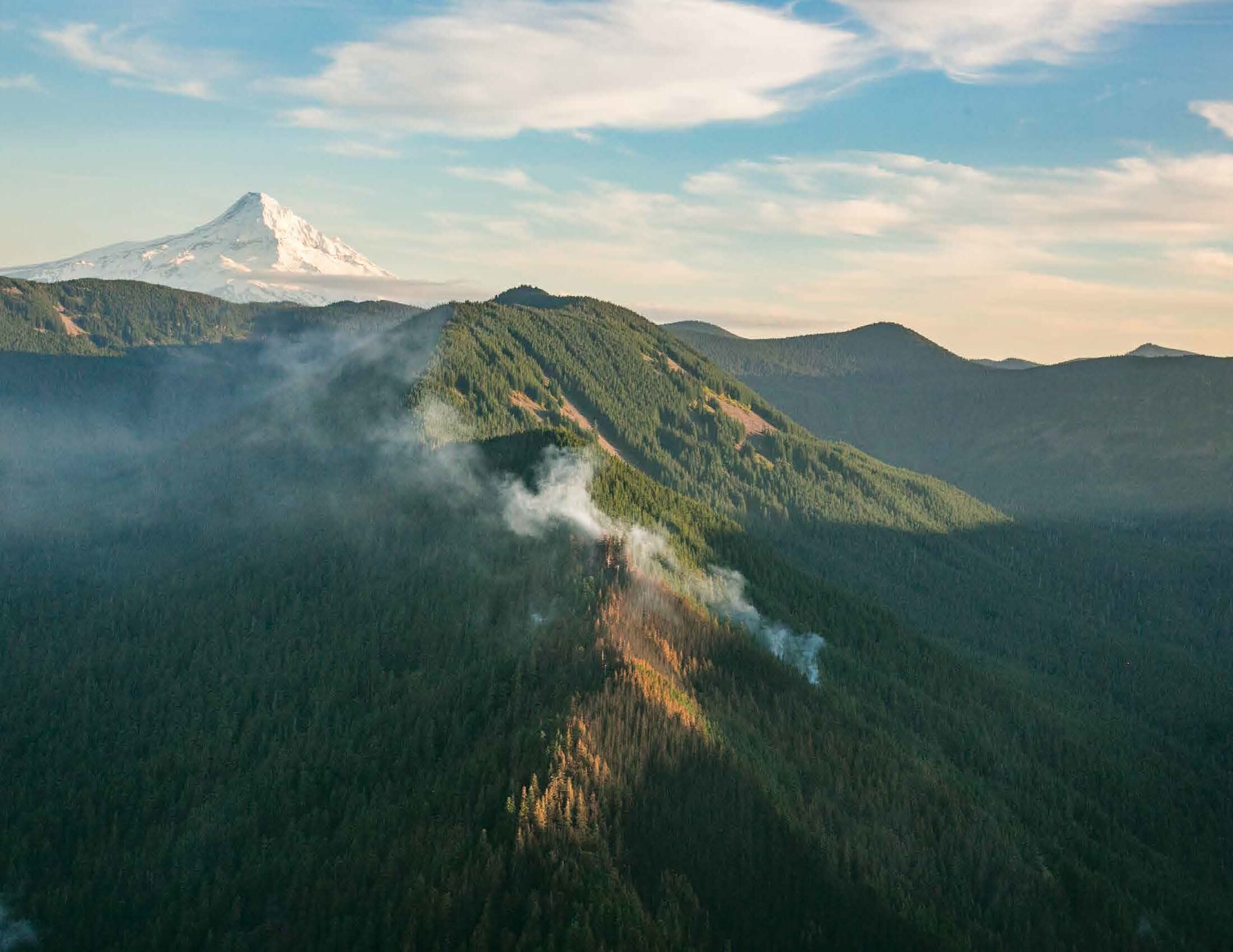

This white paper provides recommendations around Tribal sovereignty and environmental justice that we hope will be useful to organizations and individuals as they comment on the Draft Environmental Impact Statement for the Northwest Forest Plan (NWFP) amendment. We hope that these suggestions reach a diversity of organizations and individuals with divergent visions of federal land management.