
A new fire paradigm is emerging.
Wildfire is not our enemy, and need not be a crisis or catastrophe.
Come be part of the paradigm shift for safe, ethical, ecological fire management.
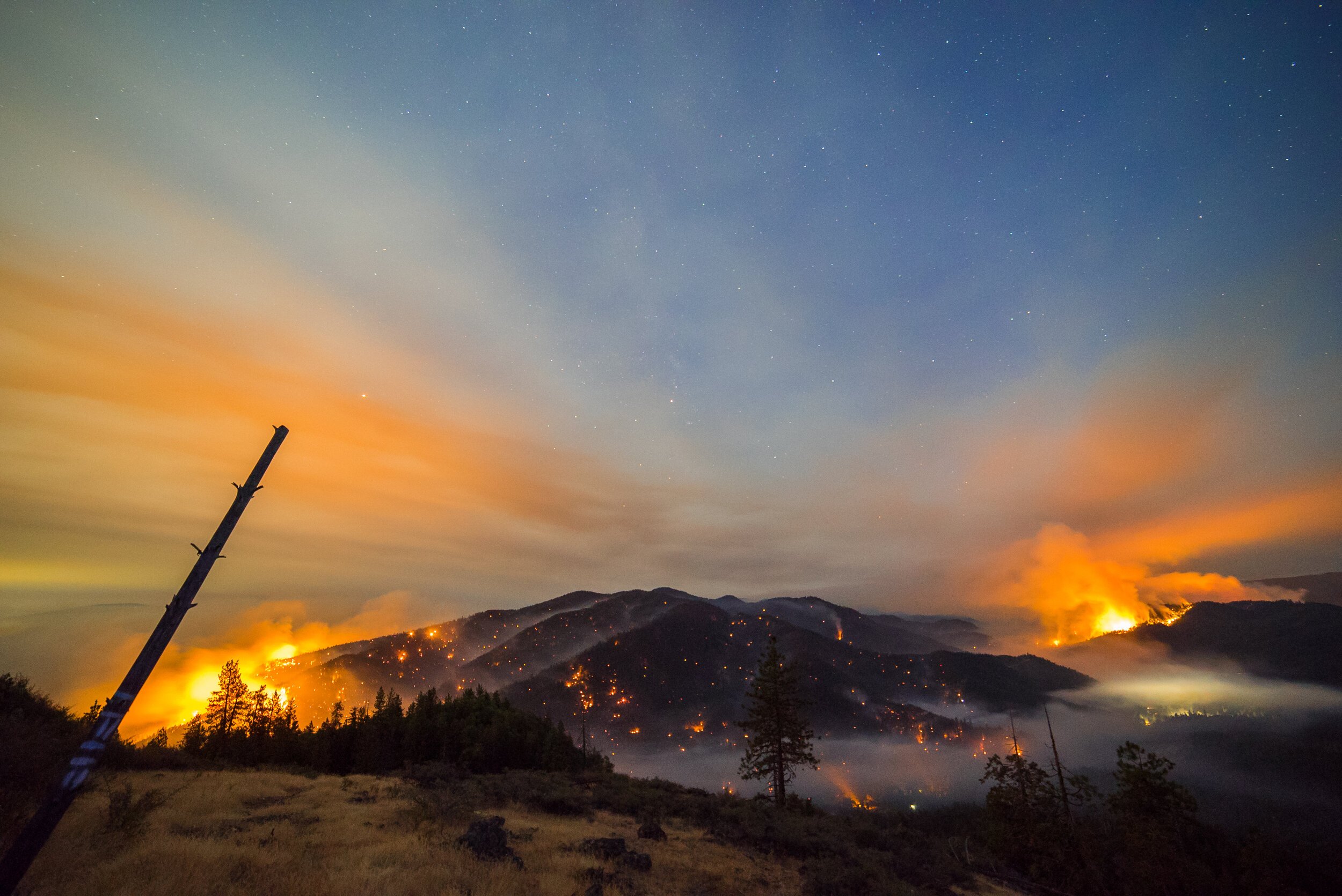
Cover Photo - Trip Jennings
Upcoming Events
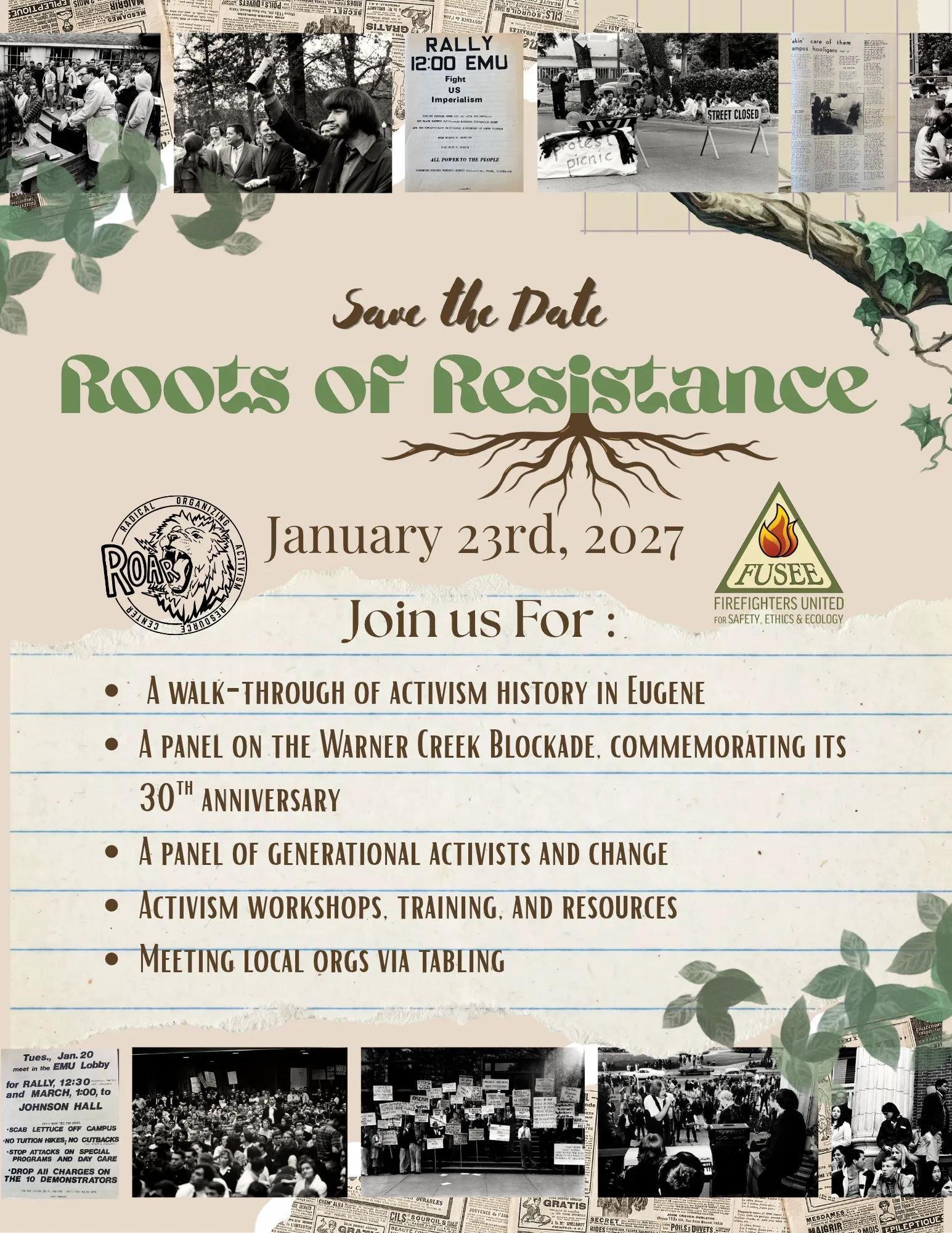
January 23rd - Roots of Resistance
Hot Off The Press - Fire News and Views

Fire News
Featured wildfire news stories raising critical issues that affect policy debates over firefighter safety, ethics, and ecology.

Spotfire! Blog
Spotfire! is FUSEE's blog that offers analysis and opinion on current events and issues from our crew of essay writers.

FUSEE in the News
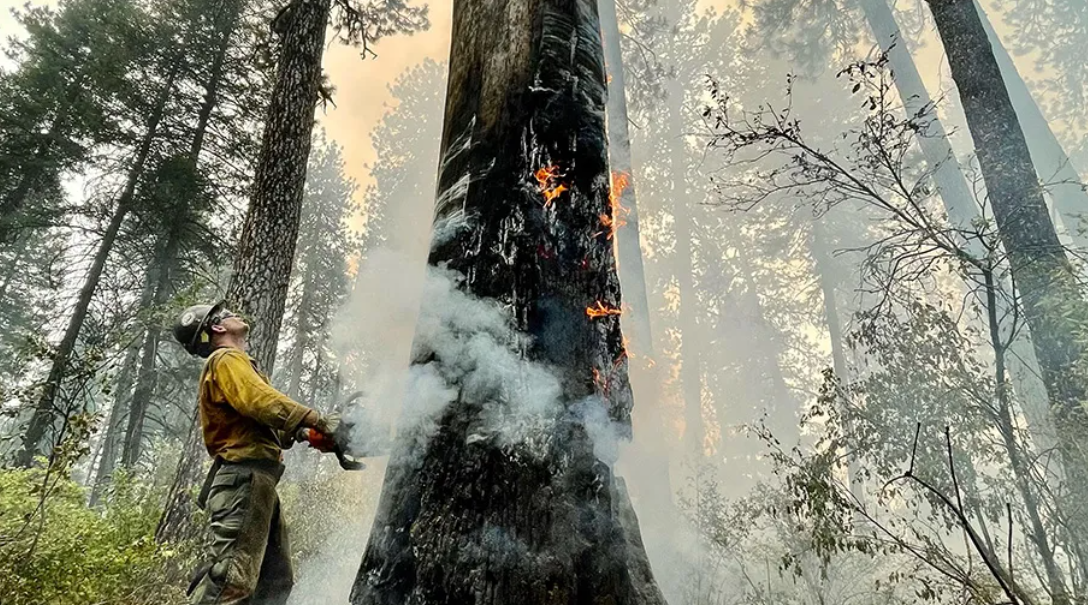
FUSEE members deliver quotes for news stories. This is our archive of stories featuring our members and supporters.
Burning Issues - Current Issues Engaging Our Work




Words on Fire - Language Guides for the New Fire Paradigm

Messaging Guides
These guides offer tips for talking to people about fire in ways that are grounded in the best ecological science and progressive fire policy.

Media Tipsheets
These tipsheets help journalists produce more informative, inspiring news stories that cover the whole story of fire management.

FUSEE Publications
FUSEE publications synthesize the latest science and policy information covering a broad range of fire management issues.
Stay Connected
Sign up for our newsletter and receive updates, and follow us on social media.
We Appreciate Your Support
Your donations help sustain our movement. Thank you!

Follow along on Instagram.

Timothy Ingalsbee, executive director of Firefighters United for Safety, Ethics and Ecology, said the investigation highlights failures that extend beyond the firefighters on the ground.
He said there were warning signs before the crew was even flown into the area, including multiple fires burning nearby, extreme fire conditions and a history of deadly fire behavior in the region.
"There were some serious breakdowns of that whole system that led to the crew's tragedy," Ingalsbee said.
He also questioned whether the crew should have been assigned to the small fires in the first place, given the surrounding conditions.
Ingalsbee pointed to a foundational wildland firefighting safety doctrine known as LCES: lookouts, communications, escape routes and safety zones.
He said all four safeguards broke down during the incident.
"The crews thought they had aerial surveillance monitoring the fires, and they were not there. Communications were breaking down. You know, the radios weren't functioning," Ingalsbee said.
Ingalsbee also criticized the investigation for not examining broader leadership and policy decisions.
He said aggressive, full-suppression strategies can put firefighters in unnecessary danger, particularly when multiple fires are spreading under extreme weather conditions.