Building a Tender Box: A Renewal of Cultural Burning
By Rachel Cushman and Sage Hatch
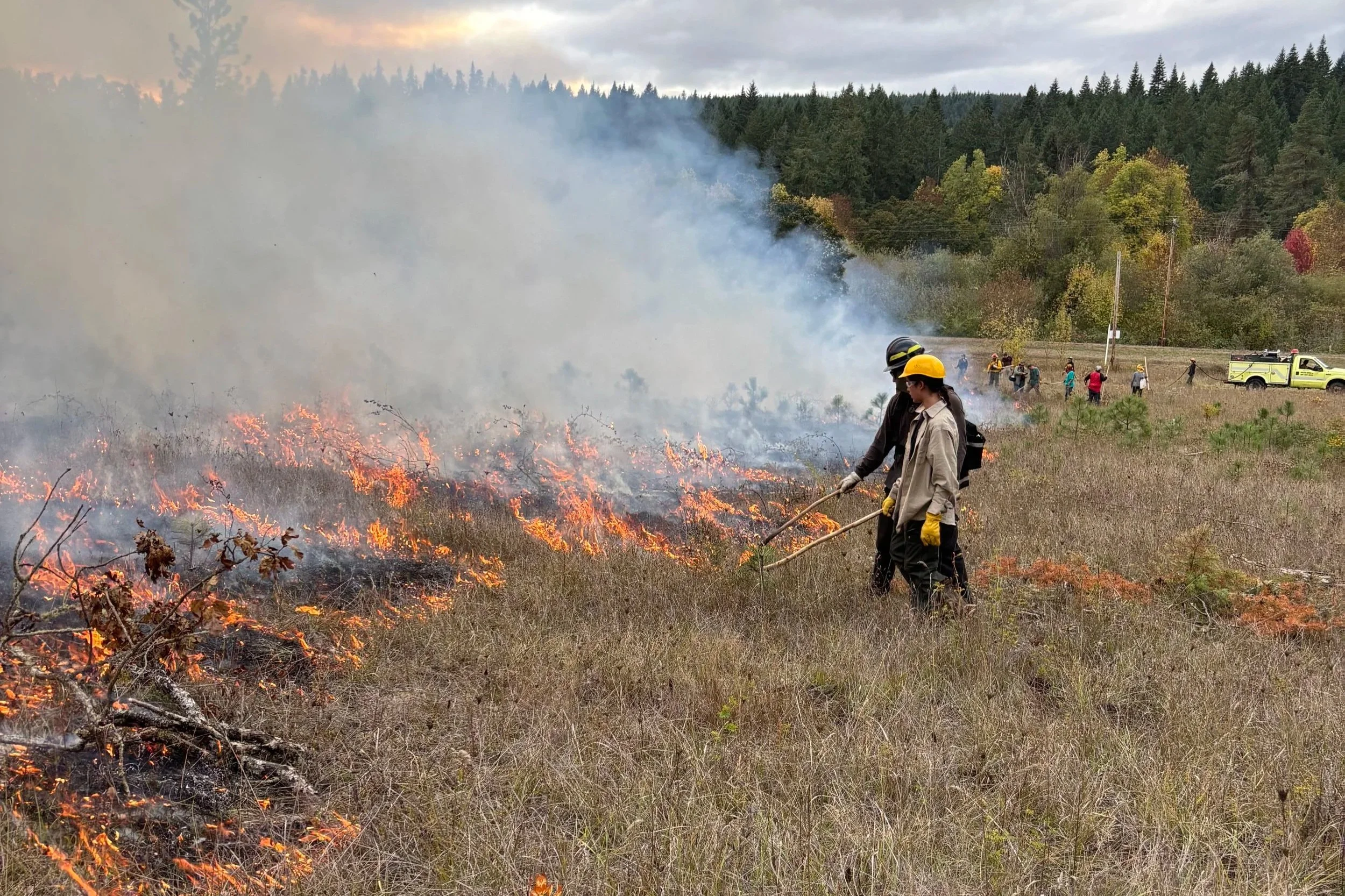
All photos: TEIP Cultural Burn at Chaa-lamali
The restoration and protection of our shared land and waterscapes depend on recognizing that people and fire are key to shaping healthy ecological outcomes.
In Oregon’s Upper Willamette Region, a landscape shaped by fire, the Native-led Traditional Ecological Inquiry Program (TEIP), strives to amplify Indigenous voices and traditional ecological knowledge in environmental education and stewardship by empowering Native youth, families, and communities to rebuild our relationship with each other, the land and waterscapes in which we live, and our other-than-human relatives. One such relative is fire.
Indigenous peoples have always had a significant relationship with fire. That relationship, however, has been severely disrupted and damaged as a result of colonial systems and structures imposed upon Indigenous peoples and the land. Fire suppression, land privatization, and forced removal of Indigenous peoples from the landscape and our lifeways have consequential harm. We are amidst a climate crisis, a direct result of this harm, leading to our relationship with the land and other-than-human relatives to become unbalanced. TEIP seeks to reestablish balance through a renewal of traditional ecological knowledge, Indigenous land and water stewardship, and cultural burning.
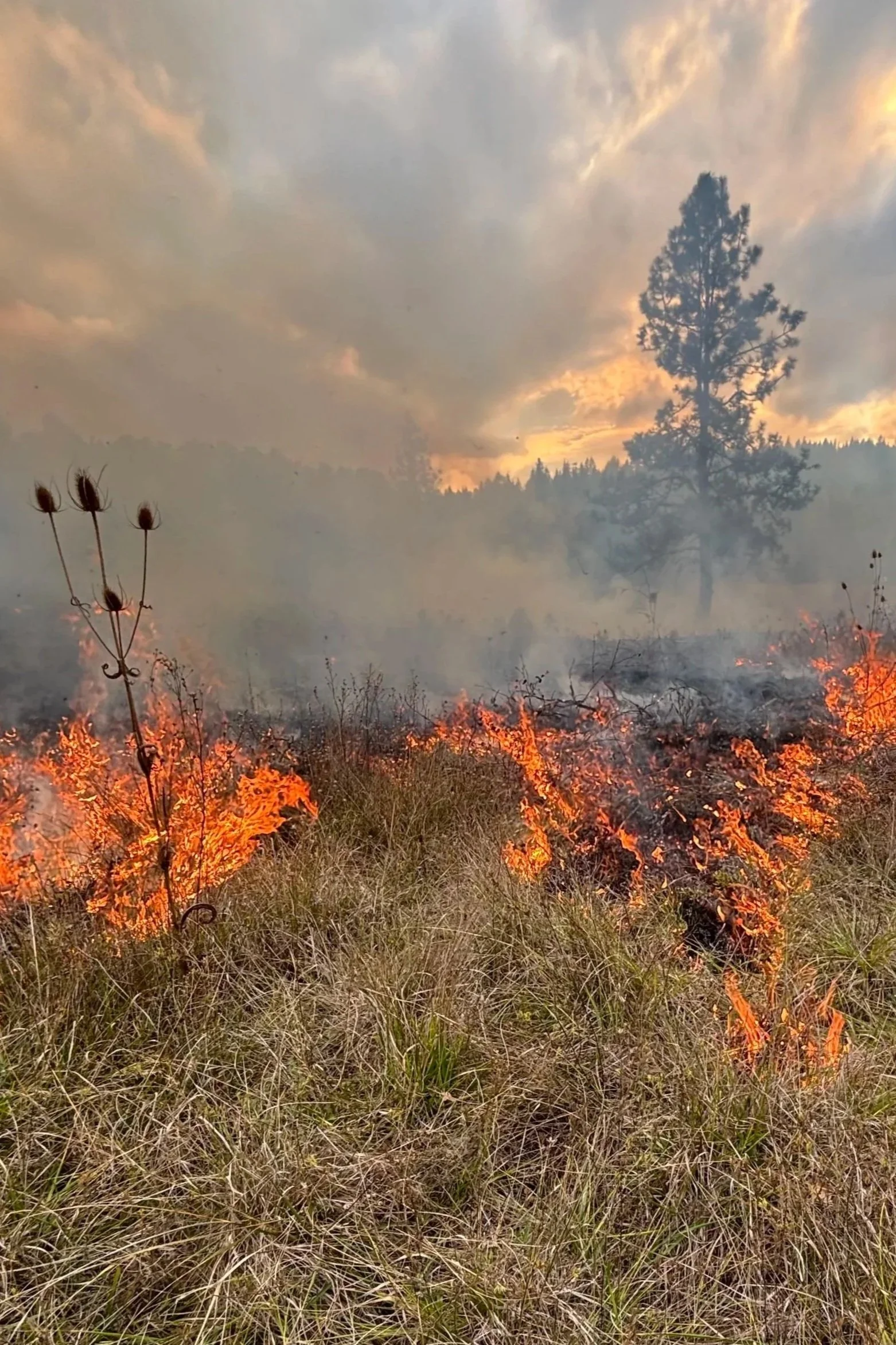
In recent decades, Western scientists and conservationists have come to recognize what Indigenous peoples have known since we emerged from our homelands: fire is good when it is treated with respect.
Respected fire contributes to wildfire mitigation, counteracting the effects of fire suppression and extractivist land management practices. It reduces dry, accumulated wood, leaves, and brush that big, damaging fires need to grow and spread. Respected fire releases trapped water from duff and brush, reduces water loss to evaporation, and provides filtering charcoal and shading/cooling smoke that helps keep water clean, cool, and fresh for all people - including our other-than-human relatives.
This relationship between respected fire and healthy watersheds is observable in real time, as creeks begin to flow and springs emerge. Respected fire also supports the return of available nutrients to the above- and below-surface plant communities. These communities are tasked with stabilizing soil with their roots, sequestering carbon in their bodies, and providing oxygen with their breath.
Extreme fire denudes the mountainous headwaters of our rivers and sends landslides and debris flows into delicate creek and drainage systems. Fallout from poisonous wildfire smoke acidifies lakes, infuses heavy metals, and contributes to reservoir silting. These are things Indigenous peoples have known for centuries.
We Cannot Confuse Cultural and Prescribed Burning
Cultural burning should not be confused with prescribed burning. In the 1970s, environmental organizations, predominantly settler-led institutions, began shifting their land management practices to include fire use. Within prescribed fire practices, burns are highly regulated under a despotic set of standards. Prescriptions do not allow for flexibility or relationality; instead, they treat both people and other-than-human relations as resources to be used rather than as active agents.
Prescribed fires and their practitioners are not bad, but the work is framed through Western views of fire and employs Western approaches to implementation. Because of the views and approaches to prescribed burning, they are structured in a militaristic manner: they are hierarchically structured, high-intensity in pace, aggressive in implementation, and objectifying of personnel, other-than-human relations, and the land. Prescribed burns can be anxiety-inducing for participants.
While cultural fire practitioners work alongside prescribed fire professionals, cultural burns must be structured within Indigenous ways of knowing and being. Though Indigenous cultural practices vary from place to place, they are grounded in relationality, holism, care, respect, and reciprocity.
Cultural fire practitioners seek to engage with burning in ways that honor these groundings. A shift in power dynamics during burn planning, implementation, and post-burn stewardship is required to ensure this. It also necessitates slowing down to care for the land and each other. Cultural burns should be guided by a healing-informed process that acknowledges that the relationship between fire, people, and the land has been significantly disrupted and requires tender mending. Cultural burns should be a safe place for Indigenous peoples to explore and grow, and to support rebuilding connections and relationships.
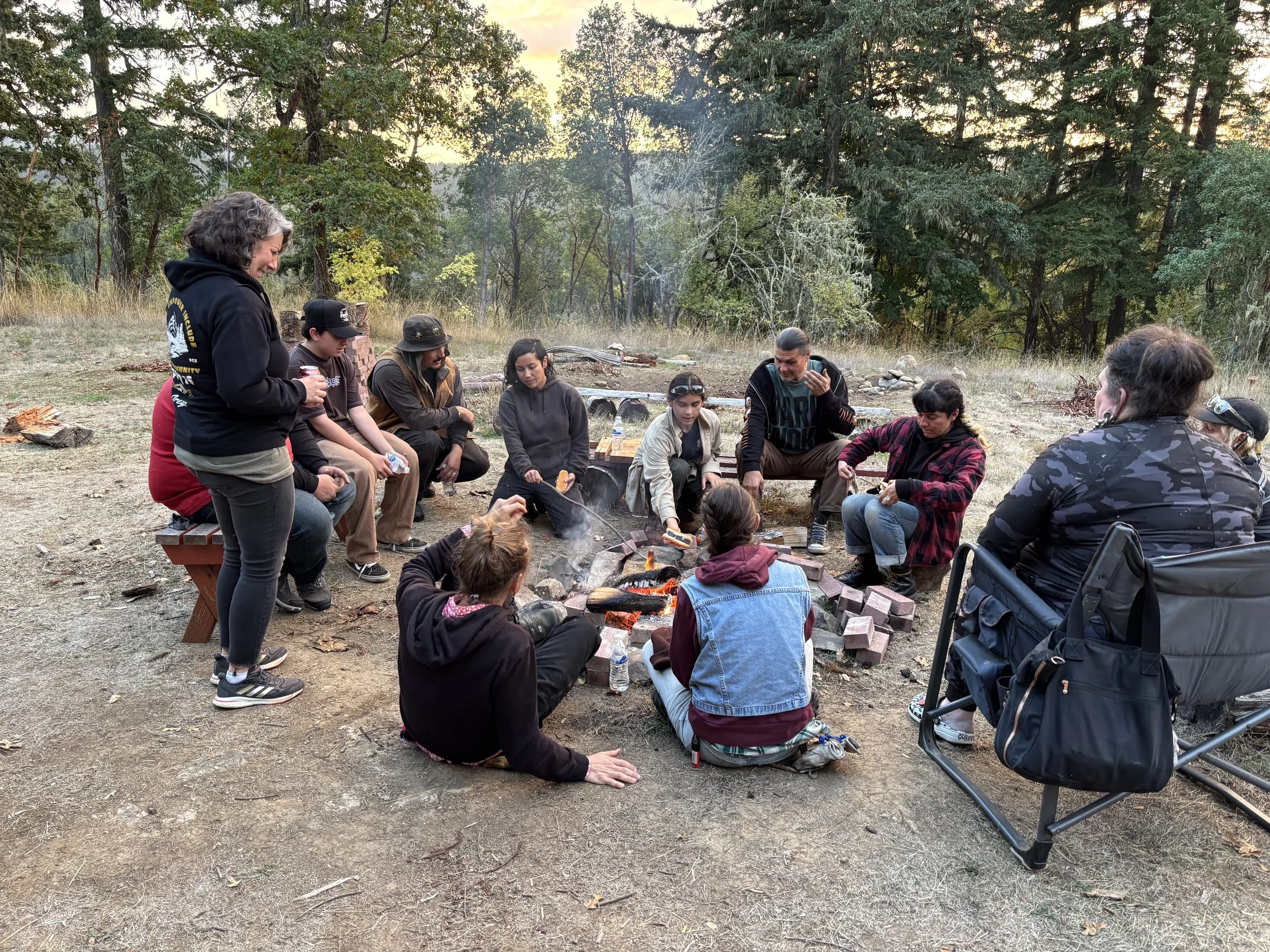
TEIP Cultural Burn at Chaa-lamali
Ultimately, recognizing this distinction is not merely an academic exercise nor mere semantics, but a fundamental step toward more ethical and effective land stewardship. The future of fire management does not lie in discarding one practice for the other, but in creating a space where Indigenous knowledge can reshape and redefine the contemporary relationship with fire. This requires a willingness to cede authority and framing of the relationship with fire by settler-led institutions, which have been known to be set on the relationship being combative and fear-based, and instead empower Indigenous practitioners as the primary guides in this process.
By centering the principles of cultural burning (relationality, respect, and healing), we can move away from a framework of fire suppression and control toward one of reciprocity and renewal. This shift promises not only healthier landscapes but also the vital mending of cultural and ecological bonds severed by colonialism.
The Traditional Ecological Inquiry Program
The Traditional Ecological Inquiry Program was formed in 2017 as a collaboration between the Long Tom Watershed Council (LTWC) and local Native educators. A goal of the program is to work with tribes that have historic ties to the Long Tom Watershed and the local Native community to incorporate traditional ecological knowledge into restoration planning and implementation, as well as long-term tending and stewardship.
TEIP is more than a conservation program; it is a conduit for intergenerational and intercultural knowledge exchange. Our mission is to “nurture the inseparable bond between the health of Native people and the land. By promoting eco-cultural reclamation, amplifying Native voices in education and environmental stewardship, and empowering Native youth, families, and communities, the program revitalizes Traditional Ways of Knowing that have been disrupted by systemic separation from ancestral lands.”
TEIP Cultural Burn at Chaa-lamali
Through partnerships with tribes, land trusts, private landholders, government agencies, and local conservation organizations, TEIP’s program participants and staff are central to the stewardship of a property now known as Chaa-lamali. Chaa-lamali is TEIP’s outdoor classroom, a 293-acre property in Lane County with a 151-acre conservation zone comprising mixed oak woodlands and prairie, and a 142-acre forestry management zone.
Since TEIP’s formation, the program has participated in and hosted numerous burns and fire-related activities, many of which have taken place at Chaa-lamali. Despite the extensive ecological and cultural benefits of fire in land stewardship, we consistently encounter barriers to our work.
Cultural Fire Barriers and Solutions
Conservation-driven prescribed burning faces many significant barriers, including public perception, complex jurisdictional boundaries, contradictory mandates, smoke management issues, and costs and capacity constraints. Cultural burn professionals face these issues and many more, including anti-Indigenous rhetoric and behaviors (intentional and unintentional) by the public, burn partners, and government agencies. Examples include non-Indigenous partners and government agencies: refusing to divest their power during cultural burn planning and implementation; responding defensively to concerns of the Cultural fire community; raising their voices, behaving aggressively, and interrupting or refusing to allow for ceremonial processes to take place during burning; attempting to discredit and/or undermine rather than collaborate or coordinate with cultural practitioners; and abusing their power. There have been influential people in the prescribed burn community who have used their position(s) to create permitting and burn planning roadblocks for cultural burn practitioners.
As a result, cultural burn practitioners are coming together to find solutions. TEIP has participated in and hosted several cultural fire exchanges, where cultural fire practitioners, cultural bearers, tribal elders, and youth gather with allies to discuss creative problem-solving relating to issues surrounding cultural burning and its future. The central strategy emerging from these conversations is a refusal to simply assimilate into the dominant, colonial fire management model.
Instead, practitioners are asserting that meaningful solutions require a fundamental shift in power, a move from agency-centered control to community-led partnerships. This means moving beyond "inclusion" to actual co-management and tribal-led burning on ancestral territories. The exchanges are the incubators for this new paradigm, where a vision for a just and ecologically sound future is being kindled, one based on respect for Indigenous knowledge and sovereignty.
Native-led Cultural Burns in Action
This kind of systemic change requires action, and TEIP is leading the way in Oregon’s Upper Willamette Region. TEIP’s cultural burn procedures meet existing burn regulations imposed upon Native people by federal, state, and local jurisdictions. However, we frame our burns through Indigenous ways of knowing and being, prioritizing human-to-human and human-to-other-than-human relationality over prescriptive progress. To achieve this, we intentionally limit who can and cannot participate in our cultural burns. During the planning process, we have explicit conversations with potential partners, asking that they give deference to tribal people and our goals during burn planning and implementation. If they cannot agree to this, we let them know that our burns aren’t for them and we find partners who can.
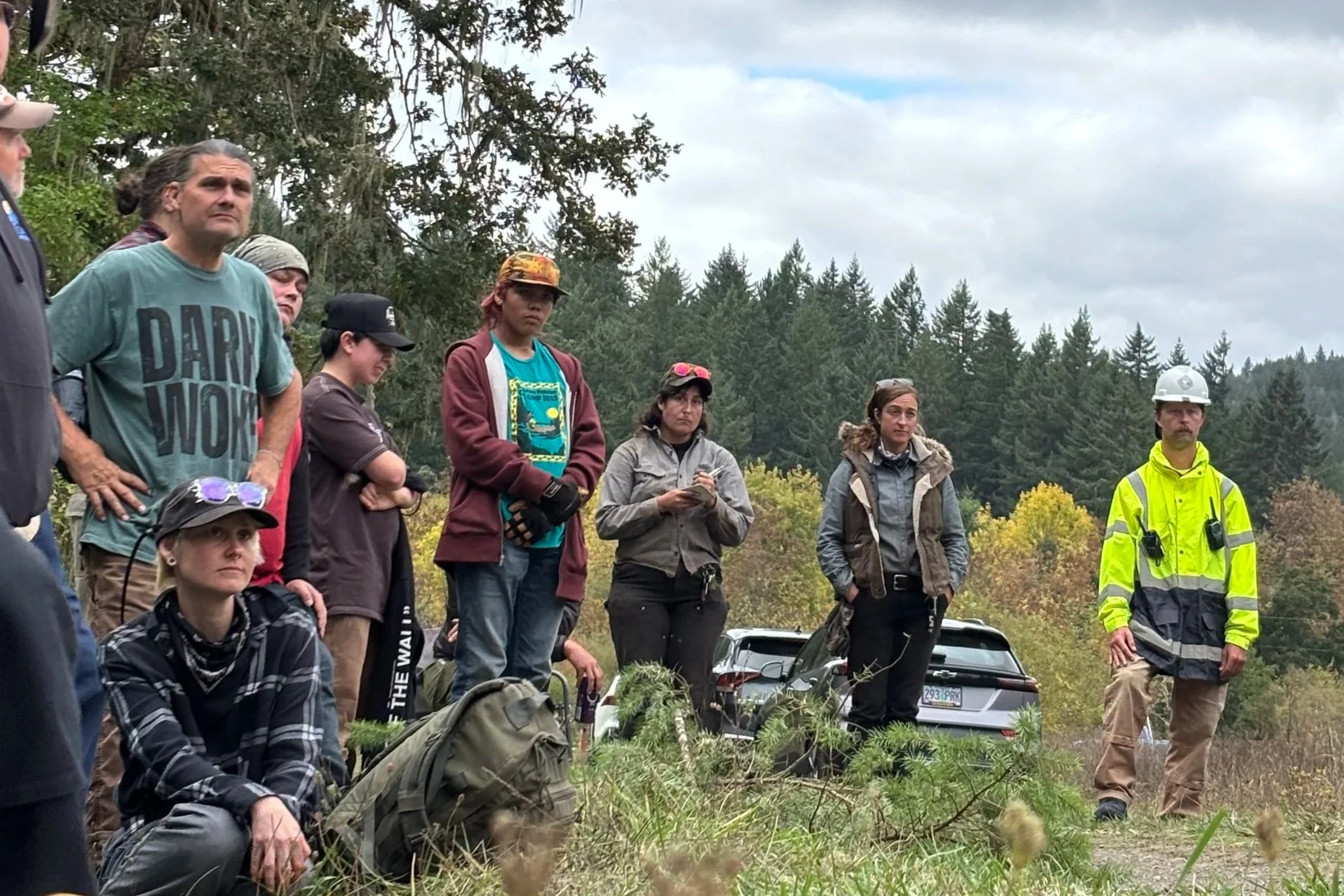
During TEIP’s Fall 2025 cultural burn at Chaa-lamali, we brought together nearly sixty-five participants and observers. Every person at the burn, Indigenous and non-Indigenous, agreed that the focal point of the burn was ceremony, and all would honor and respect Indigenous fire protocols.
TEIP Cultural Burn at Chaa-lamali
To achieve this, our burn planning process included consistent communication with burn participants, as well as numerous meetings on the land with our core cultural burn team, prescribed burn professionals, and agency representatives to ensure we were on the same page. As we prepared the burn unit, we secured professional support (i.e., Certified Burn Manager, Firing Boss, holding personnel, road flaggers, etc.), tribal representatives, prepared equipment, monitored the weather, communicated with air protection and forestry agencies, and notified neighbors and other interested parties.
On October 8, 2025, the day of the burn, all participants and observers came together to discuss the burn leadership structure. We wanted a leadership structure grounded in place, centering Indigenous knowledge and people, and encouraging learning. So, we leaned into the teachings of the Pacific Northwest Canoe Resurgence Movement, whose approach to leadership fosters care, holism, reciprocity, respect, balance, and consensus politics. This model asserts that no role within the burn team is more important than another. Instead of framing leadership using a hierarchical model typical of prescribed burning, we acknowledged that each role is significant and consistent, transparent communication between roles is key to our safety and success.
Before ignition took place, we gathered as a whole team for crew briefings to discuss:
The burn unit size, boundaries, and fuels (inside and outside the unit)
Ecologically sensitive features and appropriate MIST tactics
Hazards and safety issues
Anticipated fire and smoke behavior
Organization, assignments, and expectations of the crew
Methods of ignition, holding, mop-up, and communications
Contact with the public and traffic concerns
Location of main roads, vehicles, keys, and nearest phone
Location of back-up equipment, supplies, and water
Escape suppression plan and use of contingency resources for escaped fire
Medical emergency procedures
Questions from the crew
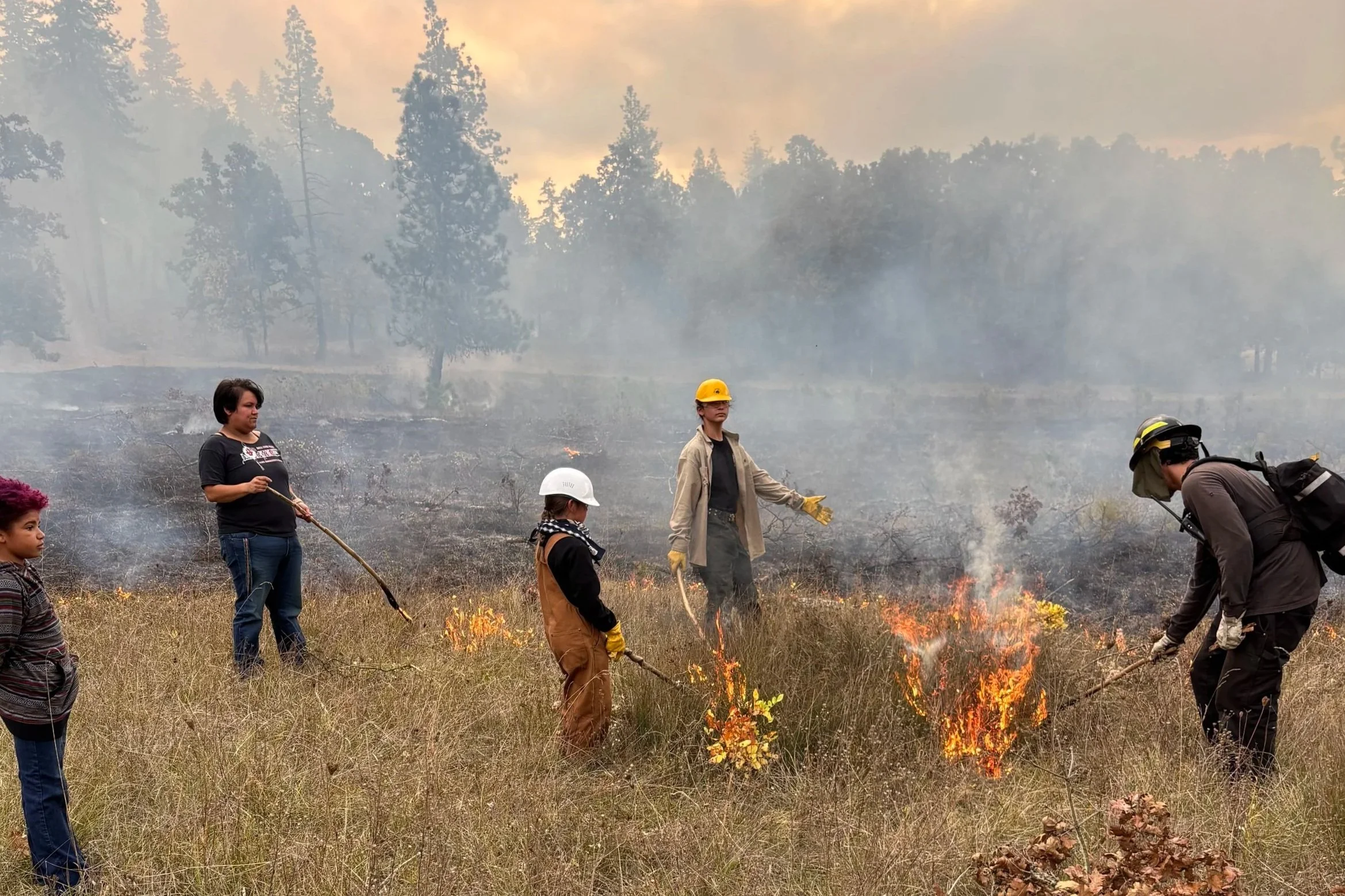
Most importantly, again, we discussed the burn objectives. Collectively, we agreed to prioritize Indigenous ignition techniques and center Indigenous peoples as the unit’s ignition team. Our ignition team, made up of Indigenous youth and community members, split into teams of two or three with cultural and/or prescribed fire mentors. The makeup of the ignition team provided a safe space for inquiry and relationality.
TEIP Cultural Burn at Chaa-lamali
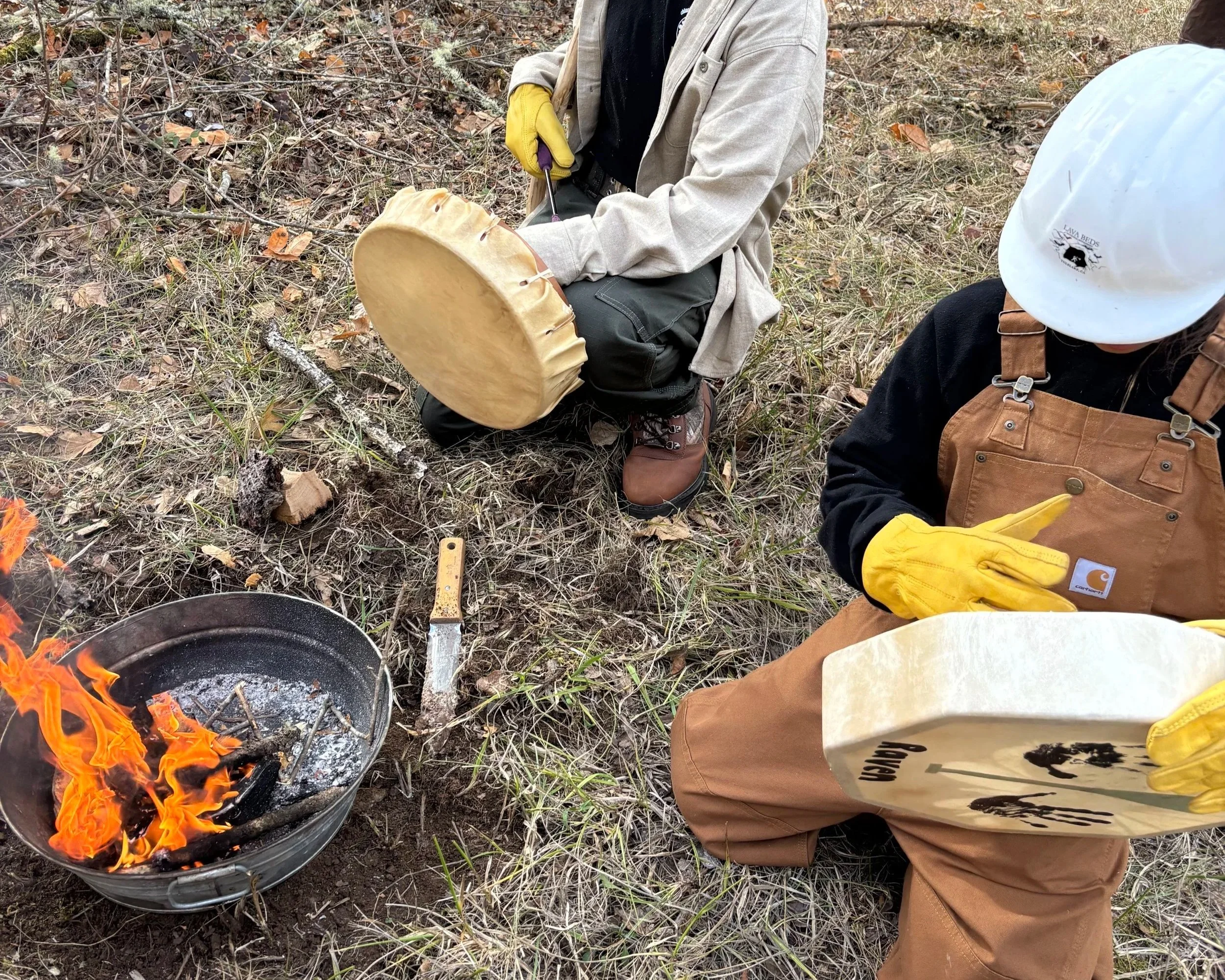
Prescribed burn professionals and drip torches would only be integrated if we could not get smoke to rise. We did not need the drip torches; we created a tender box and ignited the entire unit using only traditional methods, with support from our Certified Burn Manager (CBM), CBM Trainee, and Firing Boss.
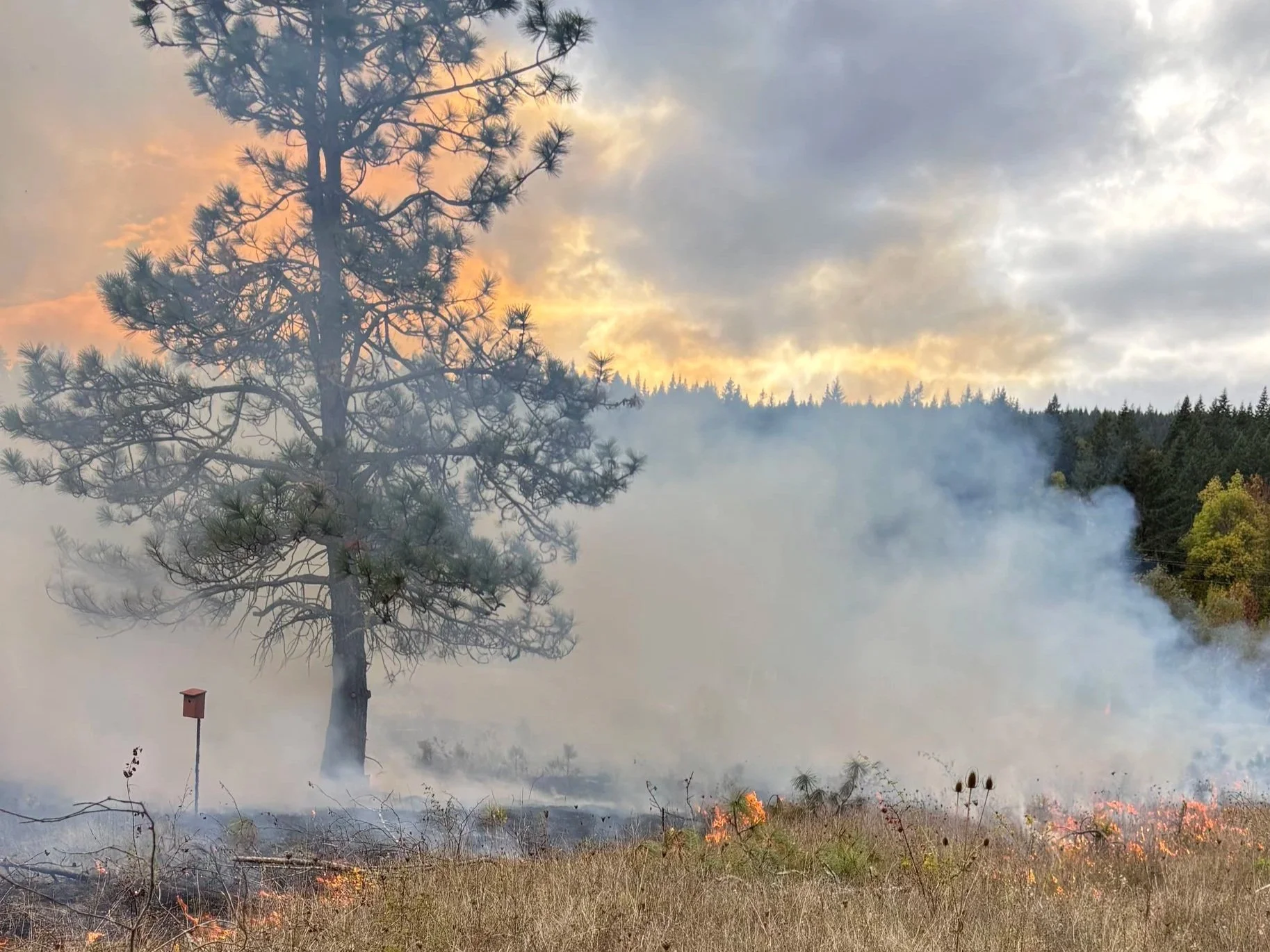
We witnessed the convergence of land, fire, and people firsthand on that October morning. The weather and wind were perfect. The fire was not a raging force to be tamed, but a gentle, intentional presence, a relative in motion, guided by the knowledge of elders and the capable hands of the Indigenous community, partners, and the excited hands of youth. It moved in slowly, deliberately, clearing the way for the camas and the oak, not by destroying, but by making space for life. As we ignited the unit, songs were sung, and prayers were given.
Haiku by Cohen Blemmel-Berry
Comfort in its warmth
Loving the Community
Tasting Tarweed Smoke
This haiku, written by TEIP intern Cohen Blemmel-Berry, inspired by the Cultural Burn of October 8, 2025, captures the profound essence of this practice. In three lines, he moves beyond the limited language of "fuel reduction" and fire suppression to reveal a living relationship, one built on respect. It is not a mere tool for prevention, but instead a restorative relationship with the land. His words replace fear with reverence, revealing a process where fire, community, and culture converge. In this relationship, tended by elders, community members, and youth, the flourishing of our first foods is a direct result of the balance we restore.
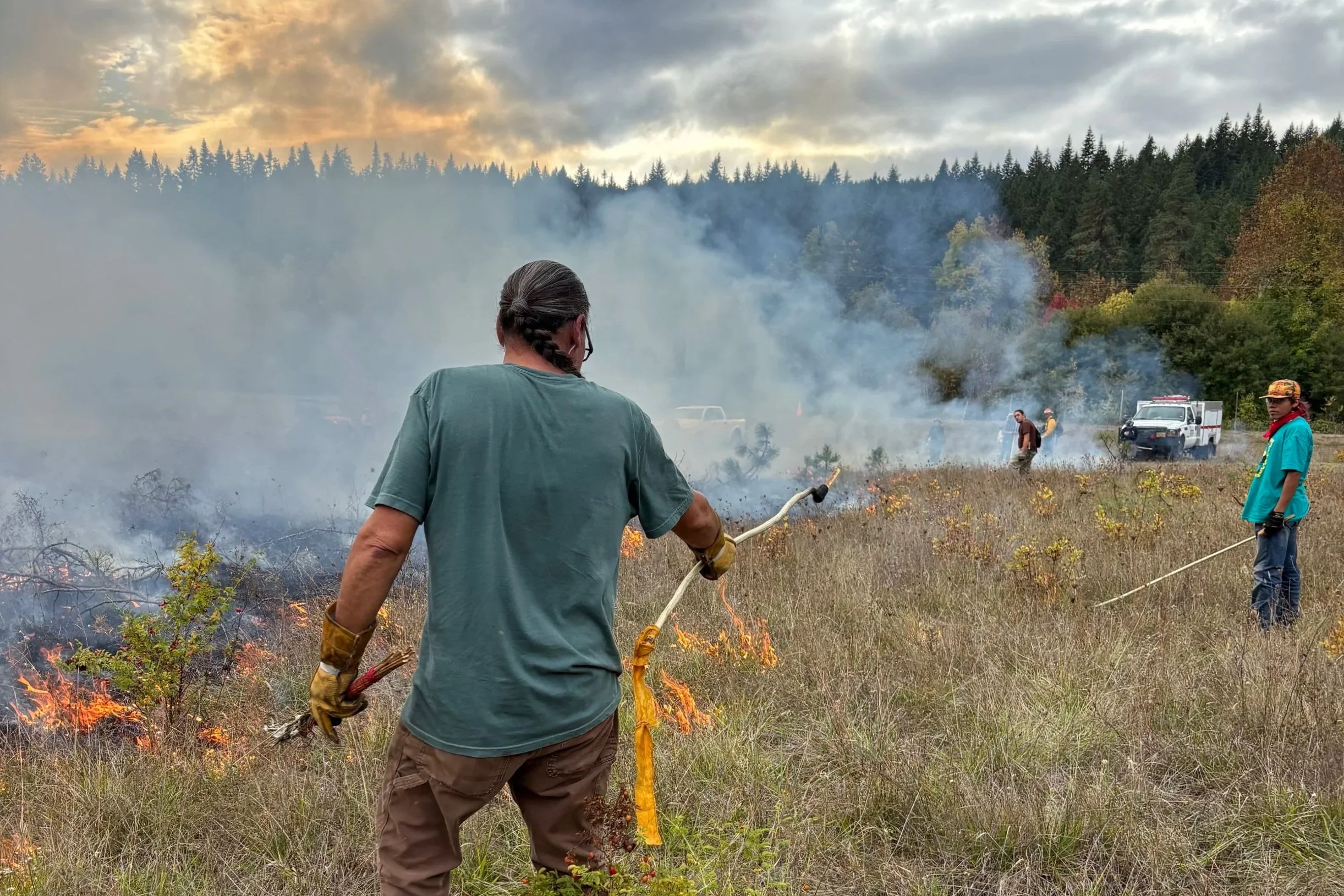
TEIP Cultural Burn at Chaa-lamali
We would like to express our gratitude to all the people who participated in and made this cultural burn at Chaa-lamali possible. We call on the fire community to commit to supporting future burns of this nature. We would especially like to thank TEIP’s Core Cultural Burn Team for making this burn a reality.
Many thanks to Amanda Gonzales, Eco Studies Institute Fire Project Manager and burn planner extraordinaire, Joe Scott (Siletz), TEIP founder and Teaching and Curriculum Specialist, and Sara Worl, Long Watershed Council Restorations Project Manager. We look forward to planning many more burns with you!
About the Authors
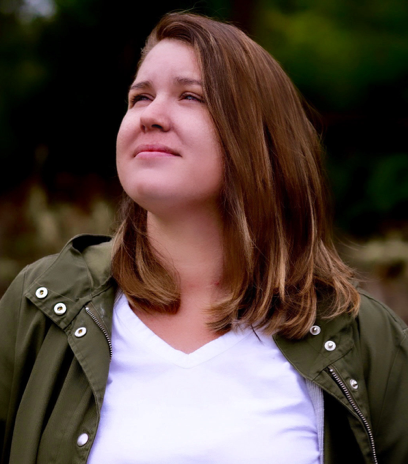
Rachel Cushman (an enrolled citizen of the Chinook Indian Nation) is the first TEIP Program Manager. In August, she joined the Long Tom Watershed Council and the TEIP team in a professional capacity with over two decades of fiscal management and land/water stewardship experience (governmental and non-profit). While much of Cushman’s professional career has been in community organizing, tribal governance, and higher education, she has always maintained a foothold in conservation, a passion that she has had since her youth. Her conservation experiences include working to enhance, protect, and revitalize tribal relationships with land, waters, and other-than-human relations; establishing, transforming, and stewarding relationships amongst tribes, government agencies, and non-governmental organizations; and developing and implementing decolonial models for climate and Indigenous justice endeavors.
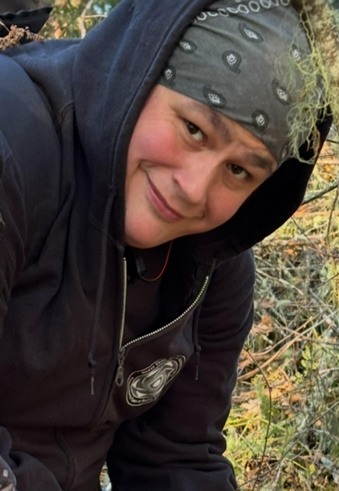
Sage Hatch (Siletz) is the Teaching and Curriculum Designer for the Traditional Ecological Inquiry Program (TEIP). Over the past five years, he has mentored youth in developing individual projects rooted in Traditional Ecological Knowledge, while also facilitating larger, collaborative initiatives that build community. Drawing on his training in education, curriculum development, and cultural practice, Sage guides interns to transform their personal interests into transformative projects that reignite cultural practices across the diverse Indigenous communities TEIP serves.