How Firefighters Heal
by Shefali Lakhina and Helena Virga
This week is Mental Health Awareness Week (May 11–17), and the 2026 theme is Action.
We can think of no better illustration of wellness in action than what we've witnessed over the past year across three wildland firefighter wellness retreats held at Tassajara Zen Mountain Center, Wellspring Spa, and Great Vow Zen Monastery.
The data from these retreats tells a powerful story. But the real story is in what happens when you take people who've spent their careers being strong for everyone else — and give them permission, for the first time, to be held.
What Firefighters Carry
Across all three retreats, 95% of participants reported experiencing trauma while working as a wildland firefighter. For 63%, it was the first mindfulness retreat they had ever attended.
These are people trained to run toward danger. They carry grief, physical injury, and chronic stress as occupational constants — often without anywhere to bring those things. Rates of PTSD, depression, and suicide in wildland fire are significantly higher than in the general population. Long separations from family, seasonal employment instability, exposure to death and destruction, and a culture that has historically rewarded stoicism over vulnerability all compound the toll.
Resources remain scarce. Stigma persists. And the people who protect our communities too often go unprotected themselves.
This is why action — not just awareness — matters.
What Action Looks Like
Over the past year, FUSEE organized three multi-day wellness retreats for wildland firefighters, co-sponsored by FireUp and other partners. Held in immersive Buddhist monastery and retreat center settings, these retreats integrate mindfulness practices, meditation training, grief work, somatic practices, group dialogue, and peer support. Participants live alongside monastery residents, engage in communal work practice, and move through a carefully designed container that creates safety for vulnerability.
The outcomes speak for themselves.
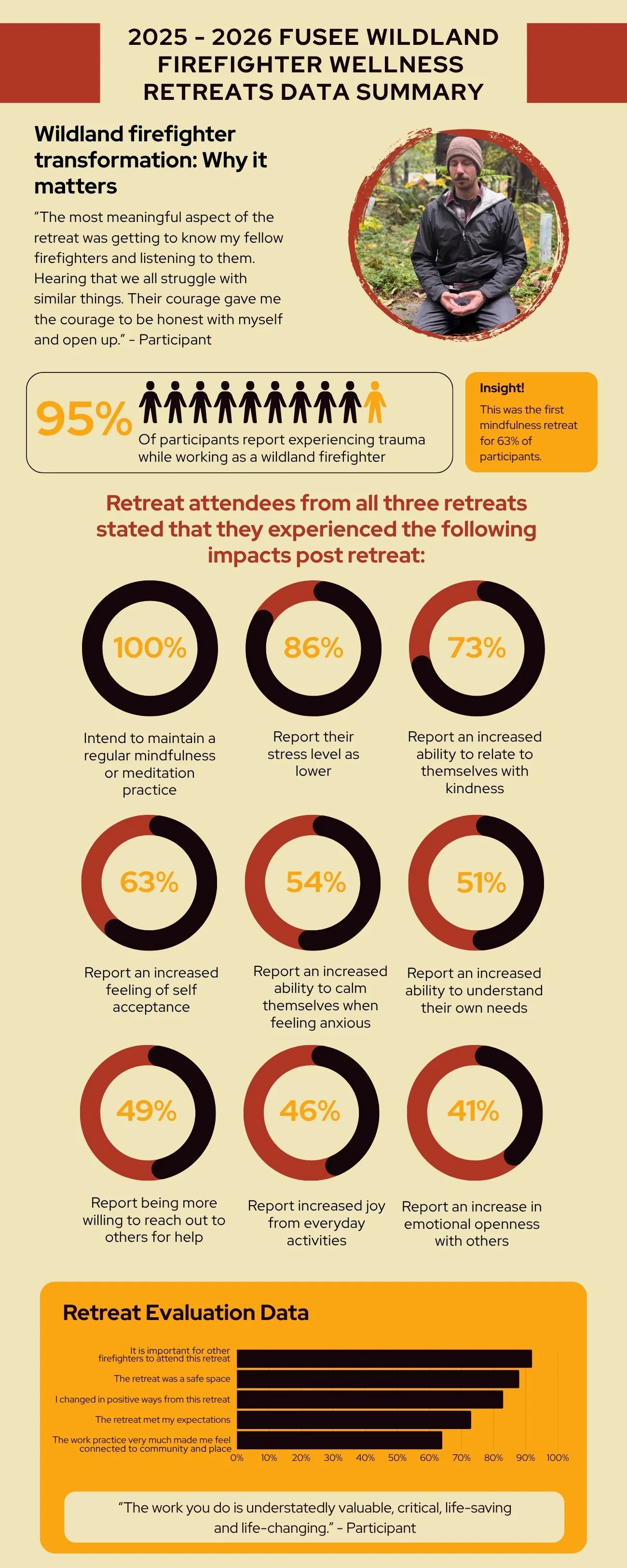
For a workforce where reaching out for help and being emotionally open have historically been treated as taboo, these numbers represent something more than improvement. They represent cultural transformation.
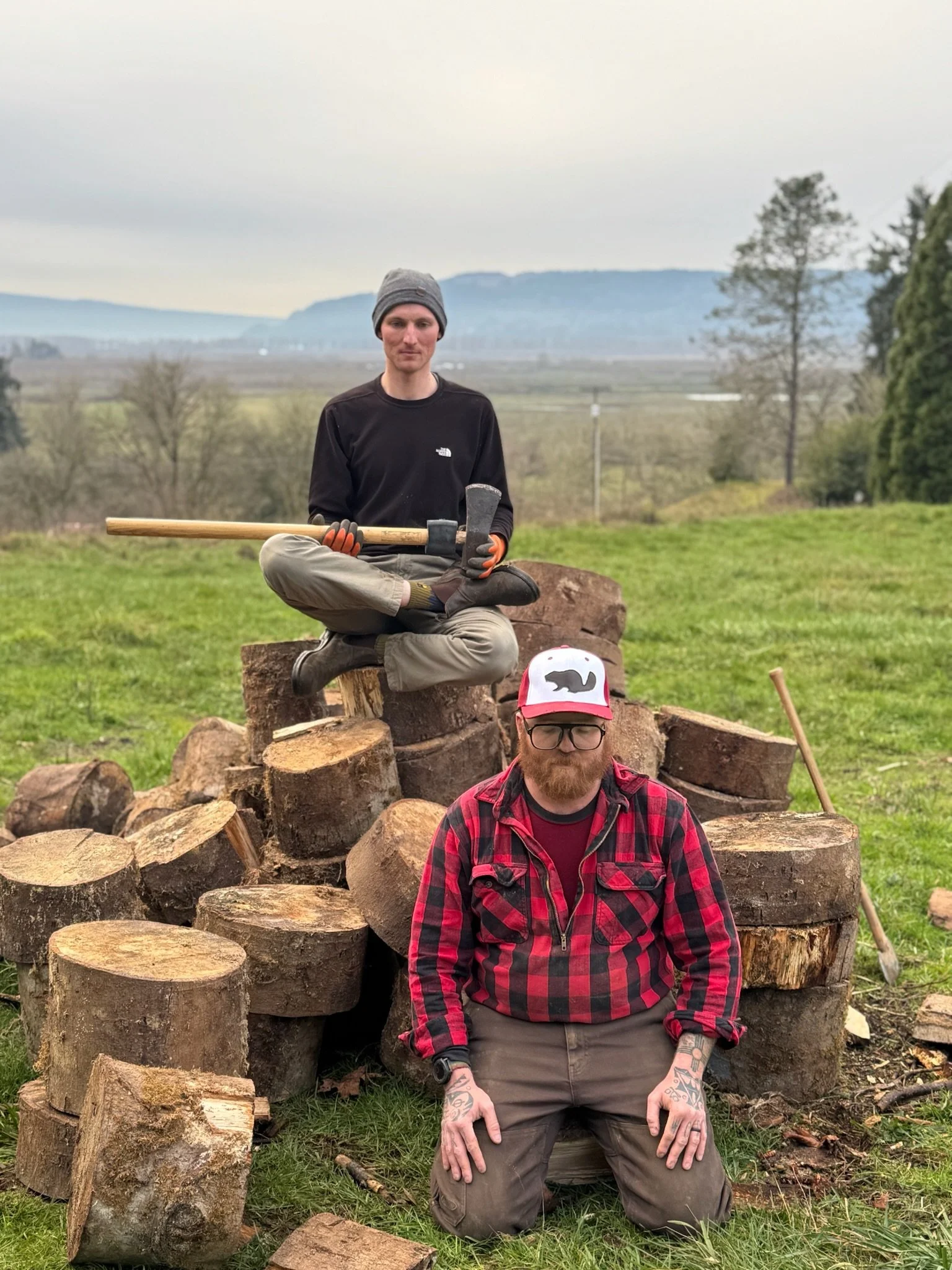
A monastery resident and wildland firefighter share a meditative moment after chopping wood
But it's the words of the firefighters themselves that reveal what these retreats actually do.
One participant shared:
"The most meaningful aspect was getting to know my fellow firefighters and listening to them. Hearing that we all struggle with similar things. Their courage gave me the courage to be honest with myself and open up."
What we hear consistently is that these retreats create something many firefighters have not experienced too often in their careers: a space where they are valued not just for what they do on the fire line, but for who they are as human beings with complex trajectories.
In the language of Jennifer Breheny Wallace's book Mattering, it is about being recognized, relied on, prioritized, cared for, and truly known — in the full context of one's life and career journey.
One firefighter captured this powerfully:
"You've hooked me on this journey to help heal my community, given me a purpose more meaningful than doing the job."
That is mattering in action.
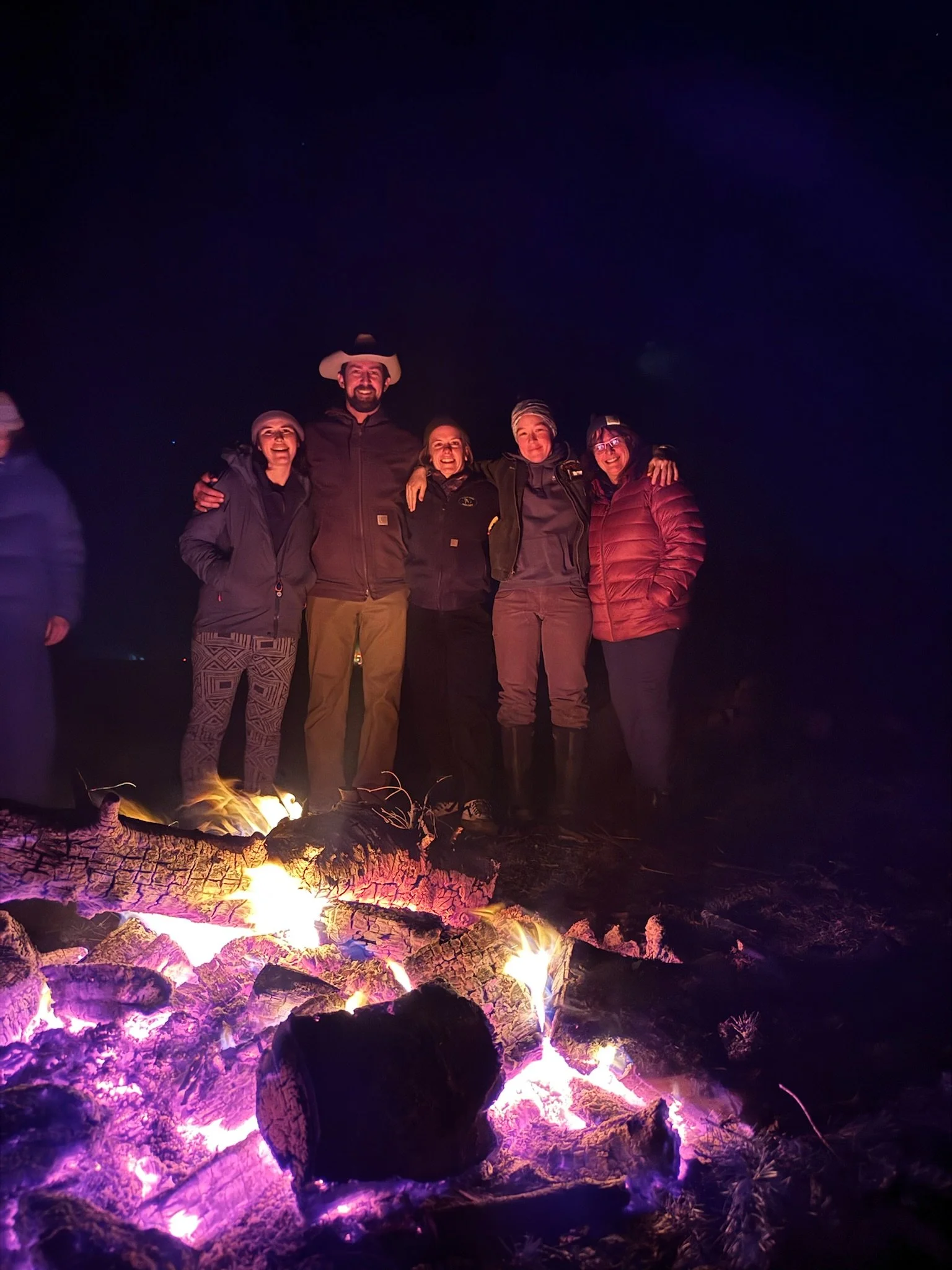
Retreat participants and a facilitator gather around a bonfire
The Ripple Effect
One of the most significant findings across all three retreats is what happens after participants leave. They don't just take their practice home. They take it back to their crews.
Firefighters consistently expressed a desire to bring mindfulness, breathwork, grief processing, and peer support practices to their fire stations and field assignments. When asked what elements would work in a shortened format for crews, the most frequently mentioned were breathwork, somatic practices, guided meditation, core group discussions, and grief activities.
The retreats are also producing durable relational bonds. Alumni are staying connected through group messages — sharing poems, guided meditations, and words of encouragement. They're visiting each other across the country and individually returning to the monasteries for continued practice.
A community is forming. Not around a single experience, but around a shared commitment to healing.
As one participant wrote:
"This retreat is a gift, and I am so encouraged by the potential this web of people holds and how many others we can touch by moving through the world wholeheartedly."
What the Data Is Telling Us to Prioritize
For crew leaders, agency partners, and anyone looking to integrate well-being practices into their team's routine — here is what retreat participants identified as most impactful.
The top-rated activities across all three retreats (combining "Very Important" and "Extremely Important" ratings):
Core group discussions — the #1 rated activity across every retreat (83–95% "Extremely Important") and the most frequently cited "most meaningful" element, mentioned 29 times across all cohorts.
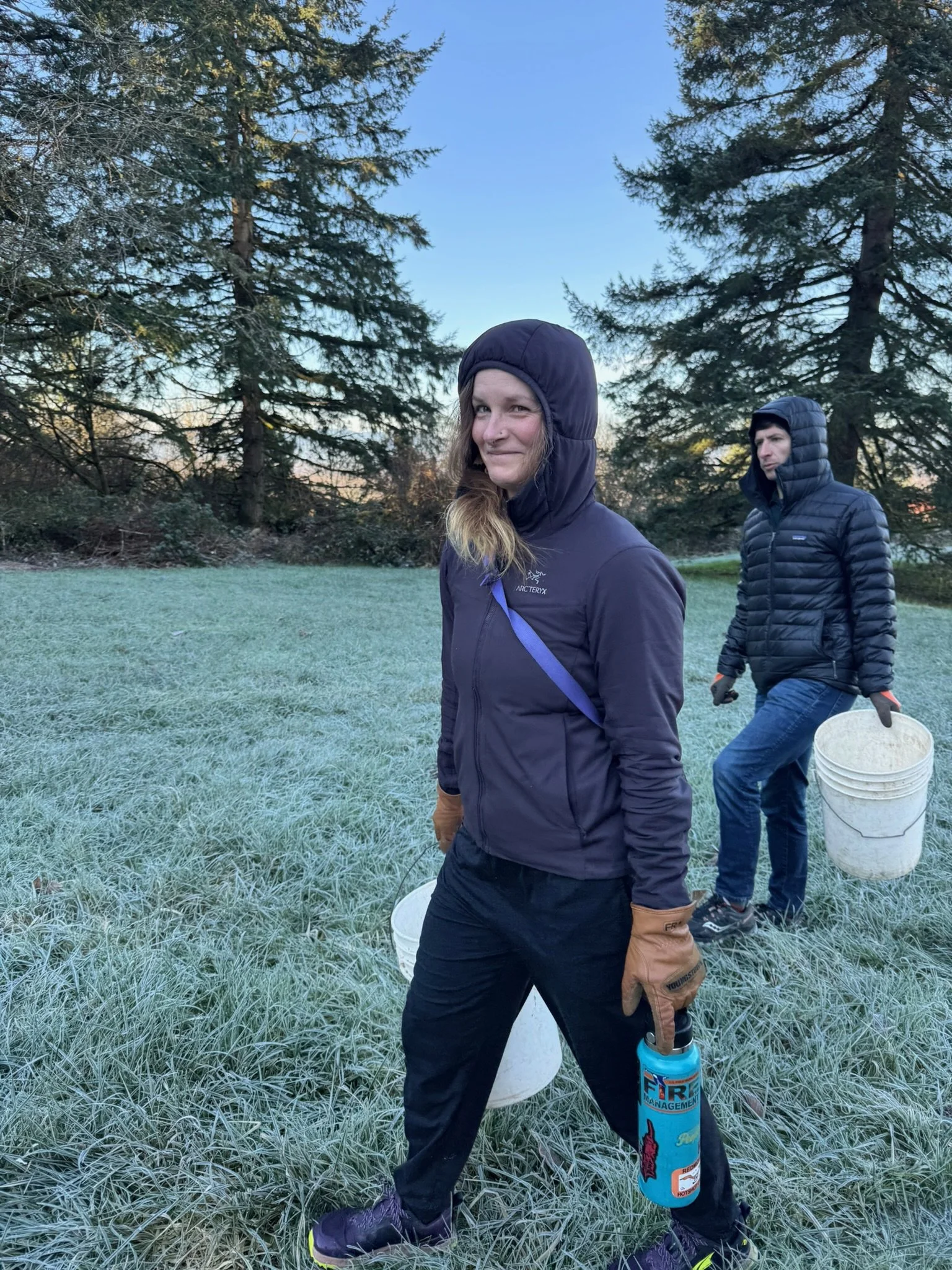
Retreat participants prepare for work on the monastery grounds
Meditation and mindfulness practice — 90–100% rated "Very" or "Extremely Important" and the single most requested element for crew-level delivery.
Grief discussion — 83–100% rated "Very" or "Extremely Important" and cited repeatedly as transformative.
Somatic practice — 81–89% rated "Very" or "Extremely Important" and the most frequently requested element for shortened crew formats, cited 17+ times as breathwork, somatic, or body-based practice.
Solo walk and reflective time — 79–88% rated "Very" or "Extremely Important."
Also strongly represented: journaling, active listening exercises, grounding practices, and portable take-home tools.
What's Next
The need for this work is accelerating. Fire seasons are starting earlier and lasting longer. Federal workforce pressures are mounting. And the professionals on the frontlines are carrying more than they ever have.
Based on what we've learned, we see several areas to focus on next.
Deeper work around physical health and the body. Participants are asking for content on chronic pain, nutrition, respiratory health, and how trauma manifests physically — because so much of this work and this grief lives in the body.
Relational and family-systems support. There is strong demand for programming that addresses how fire affects romantic relationships, families, and life outside the job — including couples and family retreats.
Portable, crew-level tools. Pocket cards, practice prompts, and guided frameworks that firefighters can carry into the field and use with their teams — so that what begins at a retreat doesn't stay at a retreat.
A pathway for deeper practice. Many participants are asking for "Level 2" retreats, longer immersions, and opportunities to return. The appetite for sustained, deepening practice is clear — and the alumni who keep coming back to the monasteries on their own confirm it.
We are also building connective tissue between in-person retreats: virtual touchpoints, monthly wellness workshops, a well-being hub on FireUp's community platform, and career portfolio support designed to ensure that transformation doesn't end when participants go home.
Daily routines build resilience. Monthly touchpoints maintain connection. Retreats create transformation. All three are needed — and all three are being built.
A Call to Action
This Mental Health Awareness Week, the theme is Action.
For the wildland fire community, action looks like this: creating spaces where firefighters can be honest about what they carry. Investing in retreats that treat wellness not as a perk but as operational readiness. Building community structures that sustain people through the long seasons — and through the long careers — ahead.
We are grateful to be part of a growing ecosystem of organizations committed to this work, including Hotshot Wellness, the U.S. Hotshots Association, Grassroots Wildland Firefighters, the Eric Marsh Foundation, Wildland Firefighter Foundation, and scores of dedicated well-being coaches and peer support leaders from within the fire community itself. Together, we are building something this workforce has needed for a long time.
If you are a wildland firefighter — active or former — and any of this resonates, know that these spaces exist for you.
You don't have to be in crisis to deserve support. You don't have to earn the right to heal.
Start anytime you feel called. Reach out — we'd love to explore what upcoming event or resource works best for you.
Helena Virga is Engagement Director at Firefighters United for Safety, Ethics, and Ecology (FUSEE) Email: helena@fusee.org. Shefali J Lakhina is Founder of FireUp: Career & Well-being. Email: hello@fire-up.net