by Helena Virga
Recently I had the privilege of putting on a wellness retreat for wildland firefighters. You might be wondering what actually happens at a “wellness” retreat. You’re not alone.
Wellness is intentionally vague here because this week-long, trauma-informed retreat included so many aspects. So many that I can only tell you by way of story, so come along for the journey.
This was the fourth retreat FUSEE has put on for wildland firefighters, but this one was different from the rest.
This retreat was different from the others because the loads these firefighters were carrying were bigger than I have ever witnessed, and I am not referring to their 40 lb packs. Grief. This fire season seemed to me to have carried more trauma and grief than ones prior.
Almost every single one of the 18 firefighters present witnessed death, gruesome firsthand death or near fatal injuries. Helicopter crashes, burn overs, suicides. This community of passionate people working hard to protect your homes each summer are dealing with similar trauma to that of veterans but with barely any support. They reported terrible meals with lack of nutritional value being served to them. They told us how their peer support systems after a critical incident were replaced by behavioral health officers, not firefighters, very ill-equipped to manage debrief and support post-traumatic events like a death. They reported a lack of accountability with serious incidents not being shared even within the same forest. Most of the federal employees did not know about the few mental health resources that actually are available to them.
Did you know that if a firefighter dies on duty their family may receive up to $9,000 from the government and that’s it? Did you know if a woman reports being sexually assaulted by her boss at work that she often gets fired and he gets promoted? Did you know that the helicopters (that cause a large amount of these avoidable deaths) are reused helicopters from the Vietnam war and many of these deaths are due to budget cuts and lack of commitment to regular maintenance?
Well, now you do.
Yes, this starts as a sad story, but hang in there because we’re getting closer to the happy ending. After just one week at this retreat with these firefighters, I witnessed a change. Their energy was brighter, their shoulders looked lighter, and the laughter came back to many of their eyes. Firefighters from all over the country gathered with hopes to find healing and support, and reinvigorate their passion for working in this field. I do think this retreat did just that.
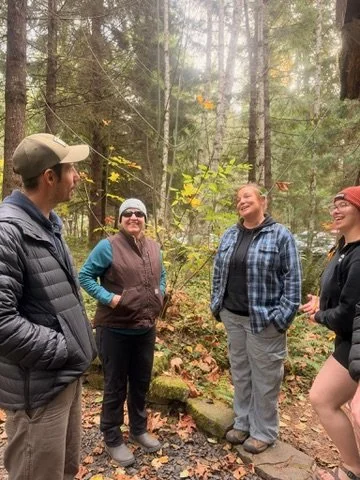
According to the survey data, 100% of participants report that their mood was improved at the end of the retreat compared to the beginning and 83% of participants rated their stress level lower at the end of the retreat compared to the beginning. Retreats like this where stories are shared, allies are made, and lifelong community and friendship is created, are beginning to change the game.
“I’m leaving here with hope. Hope knowing there are really good people on the fireline. Seeing the healthy masculinity here has been the medicine I needed and has renewed my love for this community,” one participant shared. “I feel like myself again,” she ended.
Another participant finished a song he was writing, that he had put down for months feeling a lack of inspiration and connection to music during the brutal fire season. He shared that this retreat was the first time he ever heard that other firefighters felt lonely and hopeless in the off season too. This is unfortunately one of the many painful side effects of working in this field. This retreat helped him to be with his difficult feelings and not push them away. He performed the song for everyone on the last night and moved us to tears.
“These programs changed my life; I would have gone down a dark path without it,” a participant said. “This has been one of the most profound experiences of my life. I think signing up for this retreat is the single best decision I ever made,” another participant shared.
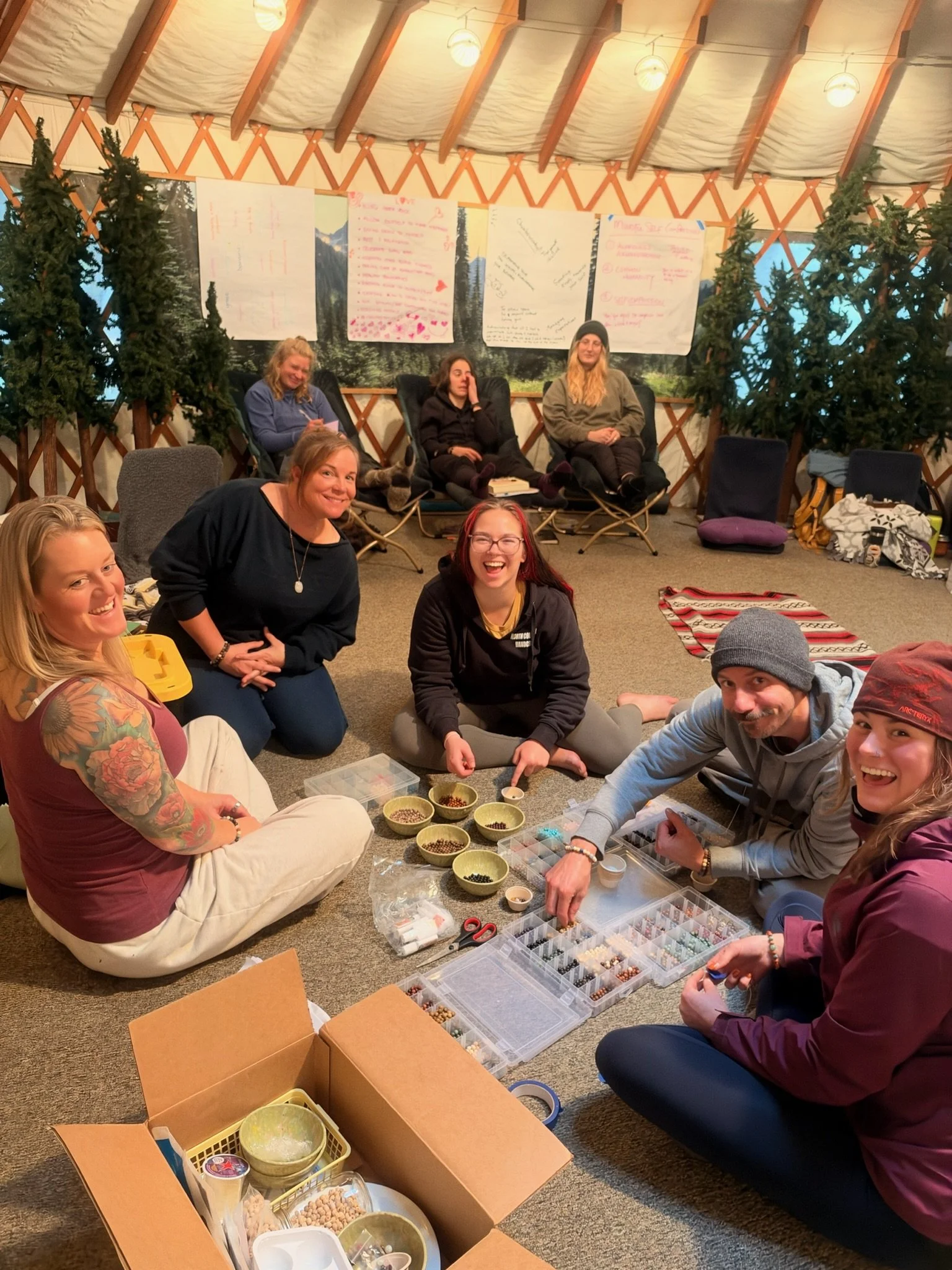
Yes, these firefighters learned about meditation, the five pointed breath, the sword of compassion, sacred altars, and how to sit well on cushions. They did yoga, made mala bracelets and collages, wrote poetry, and reflected on how to bring self compassion to themselves and back home to their families and crews.
But what was the actual thing that helped bring these firefighters back home to themselves, to feel hope again for the first time in a long time?
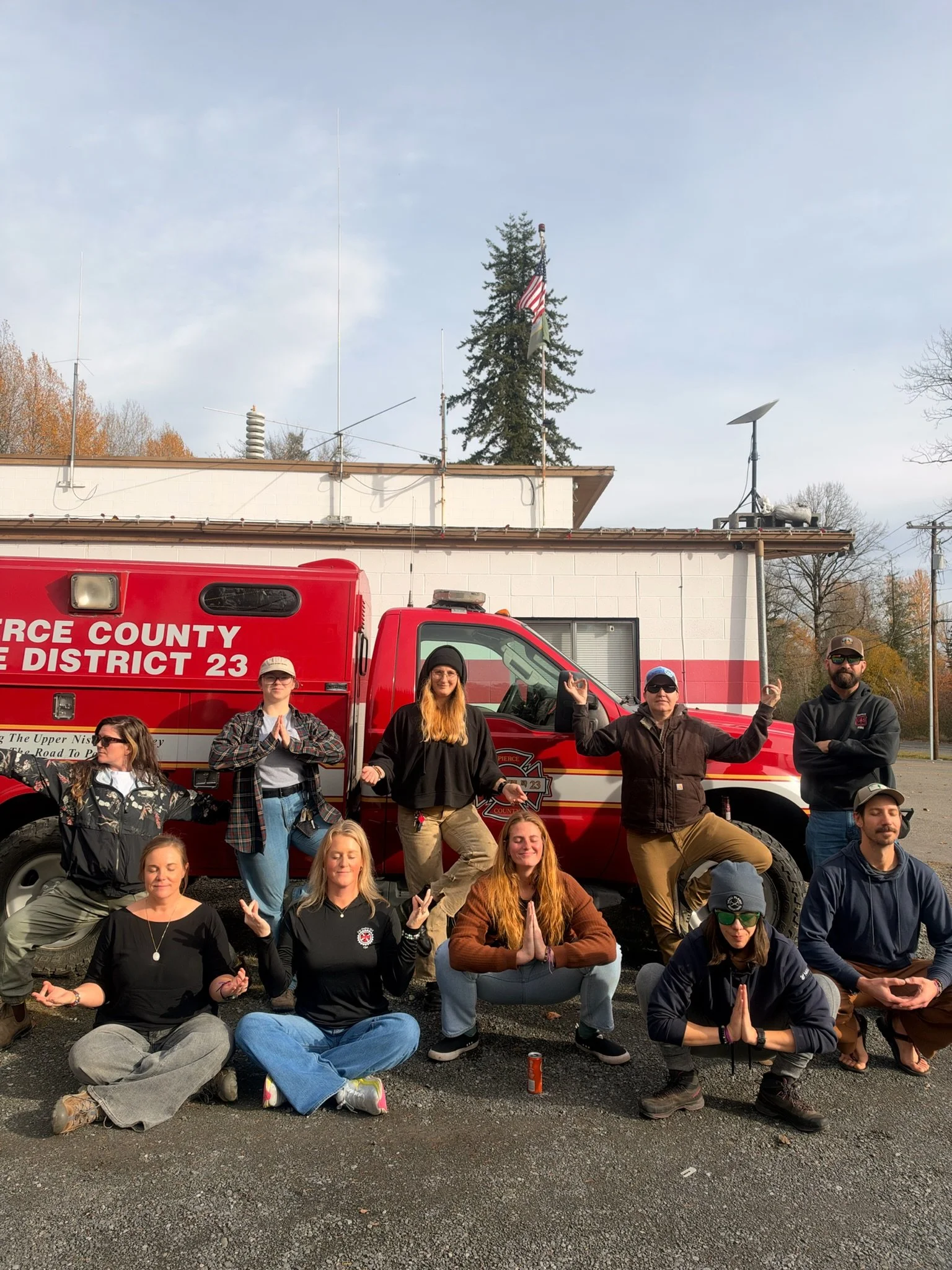
Each other. 61% of them reported an increased willingness to reach out to others when they need help compared to before the retreat began.
And learning how to be with what is here (often pain) and not ignore it. Being with the pain, meeting uncomfortable (specifically calling them uncomfortable instead of “bad” here) feelings with curiosity, learning tools for holding them and moving it through (like meditation and breathwork), and finding ways to live with open hearts.
“There is nothing my heart cannot hold when open,” says teacher Lee Lesser who started the first retreats many years ago at Tassajara Zen Mountain Center in California.
If you identify with the firefighters in the story, you’re not alone. This wasn’t actually a firefighter retreat; this was a human retreat where everyone happened to be firefighters. Really this was a space where people could get help with what they were carrying: grief, loneliness, pain, disconnection, fear, and also, hope.
If you’re curious about attending a future retreat, please reach out. If you’re curious about supporting this work, we are looking for people to sponsor a firefighter’s attendance to keep these retreats free and low cost.
I’ve seen firsthand the impact of gathering people, with intention, teaching them how to listen (like truly listen), and how to be with what is here. I, myself, have too found hope again.