Belonging in the Fire Community
This Pride month, we’re highlighting experiences of LGBTQIA+ wildland firefighters.
“LGBT people are some of the bravest and most potent change agents and leaders I have encountered, and the most forceful defenders of the vulnerable and voiceless, because they know what it's like to be there.”
-Ronan Farrow
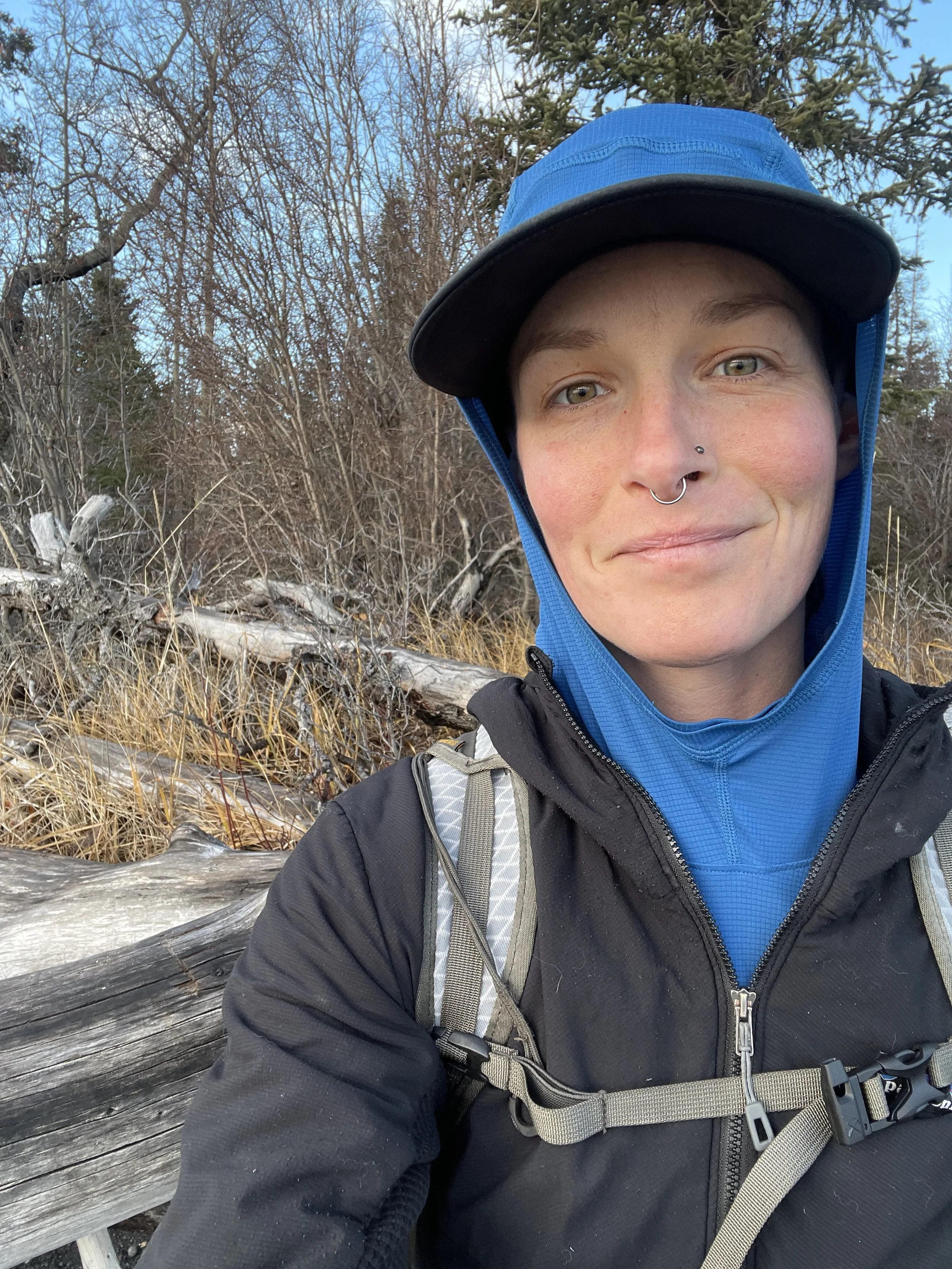
We interviewed Echo Cunningham (they/them), a Fire Specialist with the U.S. Wildland Fire Service / Alaska Fire Service, a cat parent, and passionate birder. Echo has attended two of FUSEE’s wildland firefighter retreats, and served as a peer leader at a retreat in January.
Q: What first drew you to wildland firefighting, and what has kept you in this work?
Echo: A year after I moved to Alaska there was a fire just out of town that was highly visible from most of the central Kenai Peninsula. I watched the column change every day and was so curious about this ancient process of nature that I ended up getting my red card a few years later. As a trail worker, I was accustomed to and loved working outside with a team of close folks, so jumping into the fire world also made sense. I’ve stayed due to the unparalleled relationships built within the fire community, and a deep connection with the land developed through being a fire practitioner (and long days and nights of simply paying attention).
What has your experience been like navigating the wildland fire world as an LGBTQIA+ firefighter?
Honestly, I’ve not really exposed this side of my identity to the larger fire community as a whole. It feels like the agencies are quite behind on respect toward gender identity and sexual orientation as a whole, including recognition of pronouns. Inside of my immediate workplace, I have felt safe to disclose these parts of my identity to close coworkers and trusted supervisors. The cultural change requires allyship and comfortability with being visible. I have great allies, and am working on my comfort level with sharing these closer parts of my identity!
What are some of the unique challenges LGBTQIA+ firefighters can face in this field that people outside the community may not realize?
Wildland fire as a whole has historically been quite patriarchal and militaristic in nature. Neither of these constructs is particularly friendly, and are at times even hostile toward LGBTQIA+ people. By number, the fire community is still primarily [cisgender] men. Although many of these folks are open, respectful, caring individuals, there remains a significant probability of discrimination, hazing, and harmful conduct toward people who don't fit within the cisgender, heterosexual norms.
How do you think fire culture is changing when it comes to inclusion, mental health, and belonging?
I have been incredibly fortunate in my career to work for units and supervisors who value inclusivity, mental health, and belonging, with a few individual exceptions. In the 11 years I've been in fire, I have seen marked improvements in access to wellness resources specifically oriented toward firefighters. In my direct experience, there are people at all levels of organization working to improve firefighter wellbeing through improvements to work/rest ratio, better financial compensation, access to resources, and investment in direct relationship with each other. We have a long way to go, but it's undoubtedly improving.
From your perspective as a retreat peer leader, why are wellness spaces and community support so important for firefighters right now?
Humans are interdependent, community-oriented beings. In my experience, firefighters in particular are oriented toward these communal spaces. We experience things related to our work that are not easily translated for those outside of the fire community. Thus, we really benefit from spaces where firefighting culture is understood and valued, and time in the off-season with other firefighters and people who are invested in the wellbeing of themselves and their community. The retreats strive to cultivate a safe place to explore aspects of our humanness that are more easily addressed inside of a very specific, well-held container. As emergency response providers we are trained to be mission-first and selflessly oriented. This often results in delayed processing and sometimes even armoring of our emotions and individual experiences to accomplish the task at hand. The retreats create a space for processing and attuning to one's own experience, which can help restore wholeness after long seasons of fragmentation.
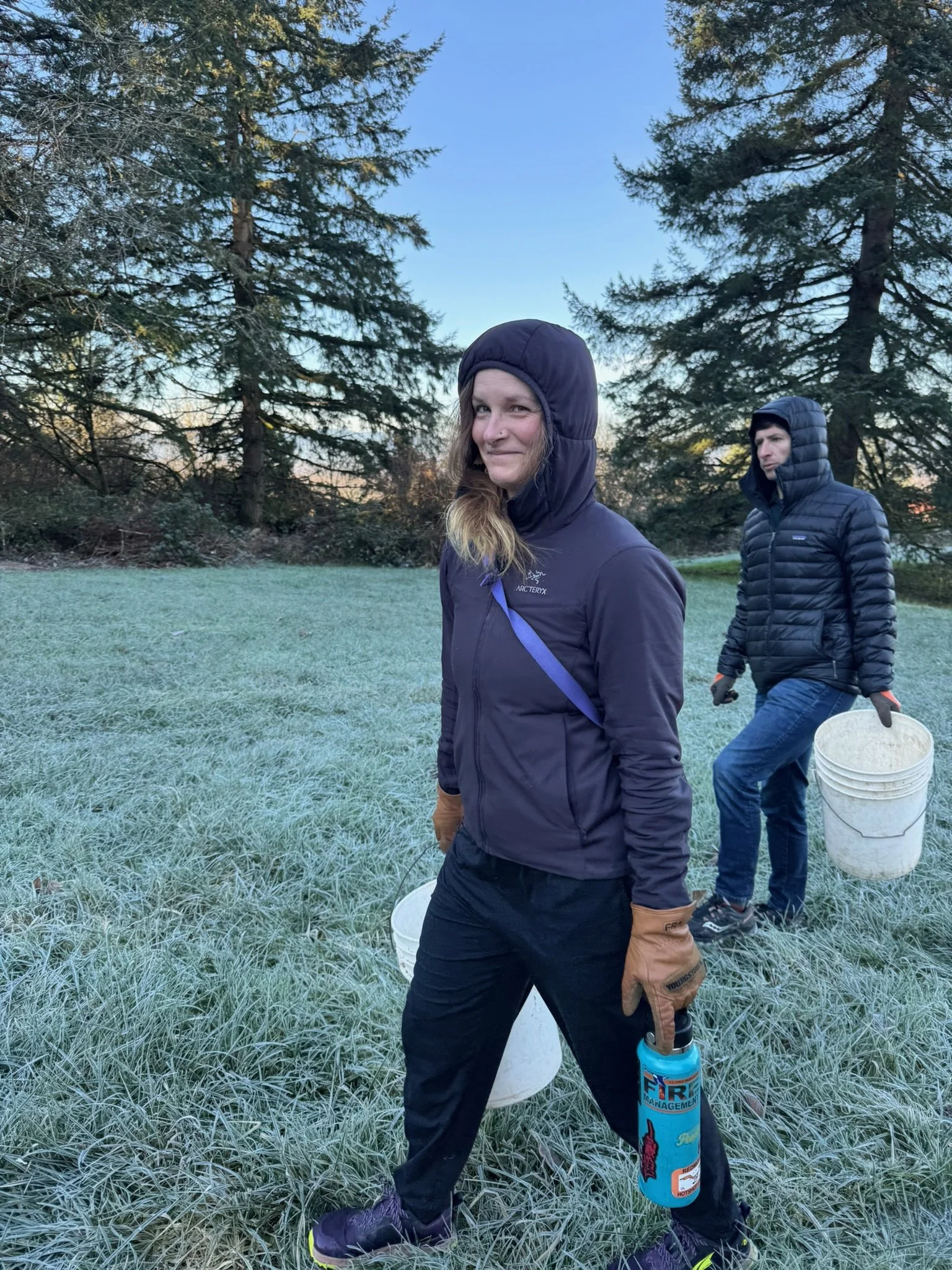
Echo prepares for grounds work at the retreat at Great Vow Zen Monastery
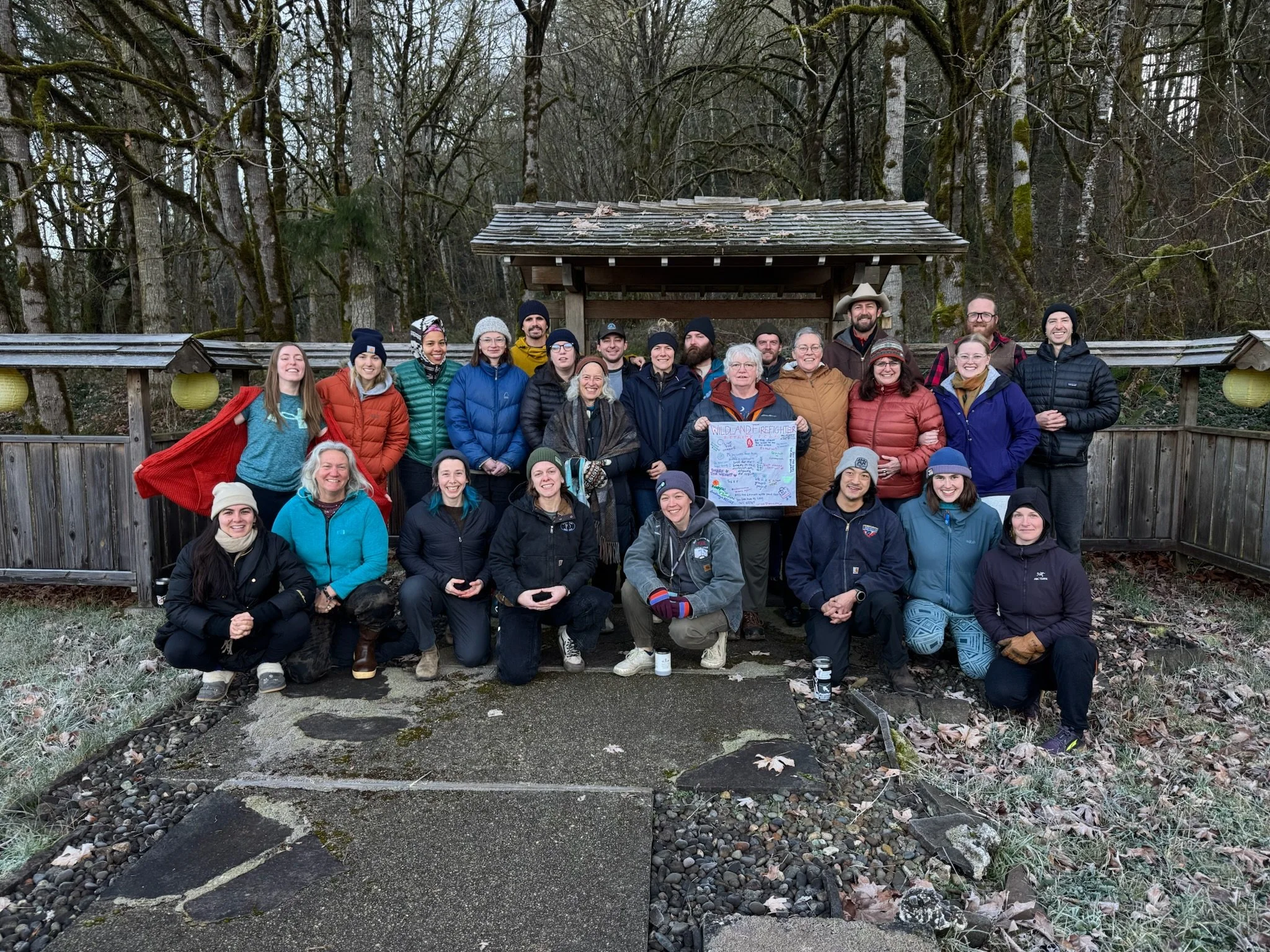
Echo (bottom right) with retreat participants at Great Vow
What changes would you like to see in the future of wildland fire culture to make it safer and more welcoming for LGBTQIA+ firefighters and other diverse communities?
Wildland firefighters exhibit extraordinary adaptability in day-to-day and incident operations. I'd like to see that same adaptability and flexibility applied to our interpersonal relationships, in and out of fire. Greater diversity is nothing but an asset to the culture of wildland fire.
Is there anything you’d want young LGBTQIA+ people considering work in wildfire or land stewardship to hear?
You are welcome and valued simply because you ARE. There are many, many safe landing places for us. Find your people and share yourself with them. Individual authenticity paves the way for collective authenticity.