
Oregon Landowner Brings Good Fire Back to the Forest
Rich Fairbanks knows what a healthy forest looks like, so when he and his wife bought forested land in the Little Applegate Valley in Southern Oregon in 2003, he started making plans to bring fire back to the land.
“These forests historically saw fire, on average, about every six to ten years” said Fairbanks. Rich holds a M.S. in Fire Science, is a founding FUSEE Board Member, and has semi-retired after a 32 year career with the Forest Service.
“Since 1911, we have been suppressing fires to the maximum extent possible” Fairbanks adds. This has decreased biodiversity, allowed more fuel to build up, and led to higher intensity fires.

Elers Koch: Early Architect of USFS Firefighting Mission; Early Prophet of Mission Failure
In 2023 when megafires erupt across North America, and our national forests seem trapped in an escalating yet faltering war on wildfire, it might be good to look back on history and see how we got here. How did firefighting on public lands get started? What was US Forest Service firefighting like back in 1905 or 1920? How are those roots relevant today?

Fire as the Essential Tool: Remembering to Celebrate Success
Looking at the Washburn Fire, there have been dozens of iterations of prescribed burning, thinning, and pile burning around the Mariposa Grove of Giant Sequoias and the nearby community of Wawona. In addition, the park has since the 1970’s had a program of allowing some lightning caused fires to burn. Both the human community of homes and infrastructure that comprise Wawona and the natural community of giant sequoias have benefitted from a single program of work – return fire to the extent possible to fire-dependent and fire-adapted landscapes.
FUSEE welcomes new crew members
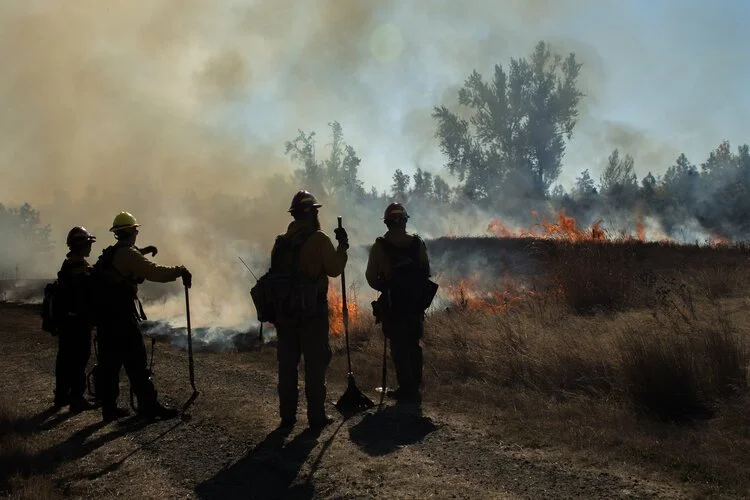
Thanks to generous donors and the shifting cultural fire attitude around fire, the FUSEE crew is growing! We have recently welcomed more torchbearers for the new fire paradigm - an Administrative Director and two summer interns.

We Owe the Forests Good Fire
People owe the forests and wildlife restoration. We owe the natural world the best of our knowledge to restore the land to a resilient state that will support the maximum populations of diverse plants and animals and give generations of people beautiful places to find solitude, beauty, knowledge, adventure, recreation and spiritual sustenance.

Safety is more than a 5-minute talk. Keep close contact with your community too.
Despite worsening drought, longer seasons, increasing job vacancies, and increasing fire behavior it always seemed that tragedy could never hit me or anyone close to me. We are too smart. Too tough. We pay attention. We know what we are doing. Well, turns out that there are a lot of things out of our control.
Leadership in Forest Management
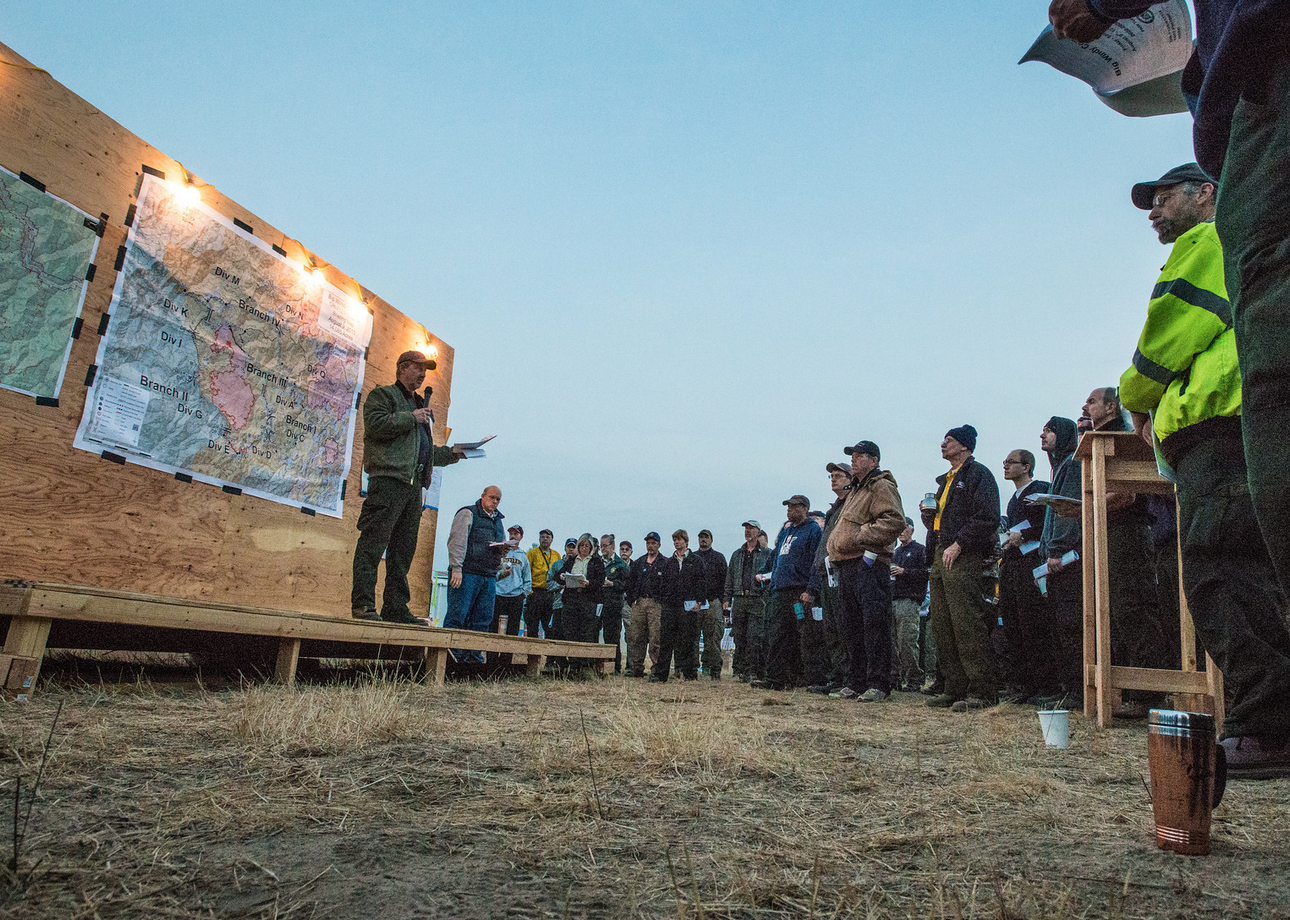
Leadership. It's a simple word that can be as complex as an August lightning bust. Its principles are beaten into individuals and organizations, but they're only as useful as the person who cares enough to think about how to apply them.

Forest Wisdom Found At The Golf Course?
It was a little rich having Donald Trump and Mike Pence coming in from New York and Indiana to tell California’s governor and state scientists that they need to “manage forests” to confront unprecedented wildfire. For those of us deeply involved in fire and land management on federal lands in the West, their know-it-all scolding was laughable, condescending, ignorant and mildly insulting.

In Oregon’s 2020 fires, highly managed forests burned the most
This record-breaking fire season has re-ignited discussions about causes of severe fires. One long-standing narrative is that fire suppression has resulted in ‘overgrown’ forests that fuel larger and more intense fires than occur under more intense management (the “fuels narrative”). This narrative, promoted by timber interests and the president, among others, is irrelevant within the context of Oregon's major western Cascades fires.
America’s Black Tuesday
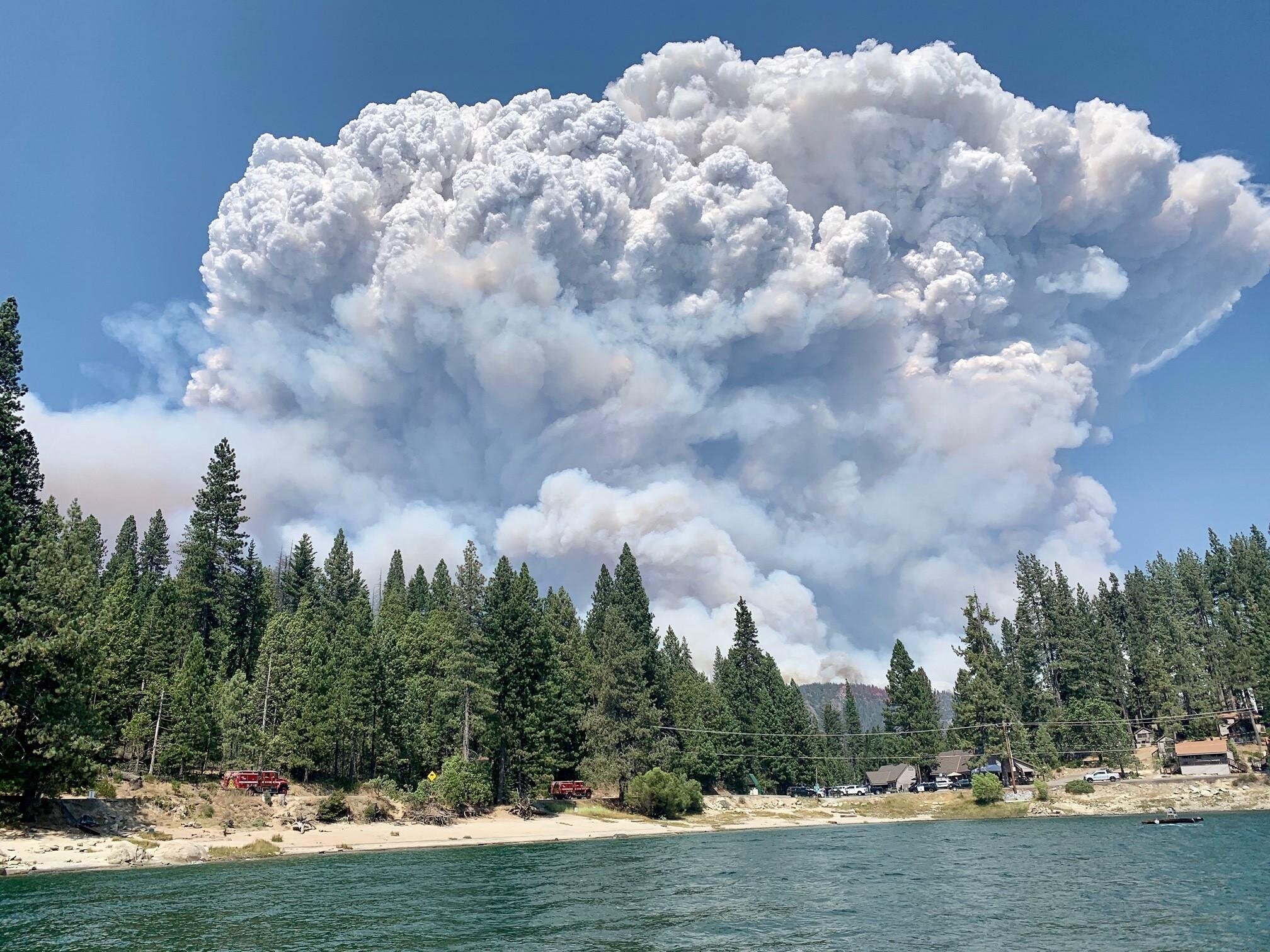
“This could be the greatest loss of life and structures… in state history.”

Watch Out Situation: Disastrous Suppression Spending From Wildfire Disaster Funding
We must stop disastrous suppression overspending that is certainly not preventing wildfire disasters. Strategic investments in fire planning, fuels management, and community preparedness are the way to wisely use limited taxpayer dollars.
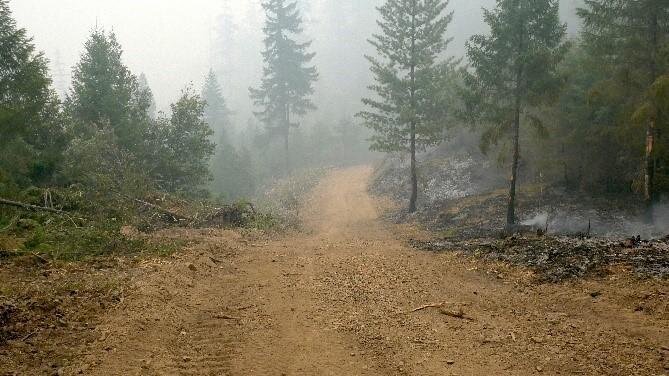
War is Peace. Freedom is Slavery. Ignorance is Strength: Orwellian Spin on the Red Salmon Complex Fire
It's a big deal that the USFS is waging their war against wildfire in the Karuk's homeland, and brought their Big Iron war machines into the Trinity Alps Wilderness. In essence, it represents the latest invasion and imposition of white settler-colonialism.
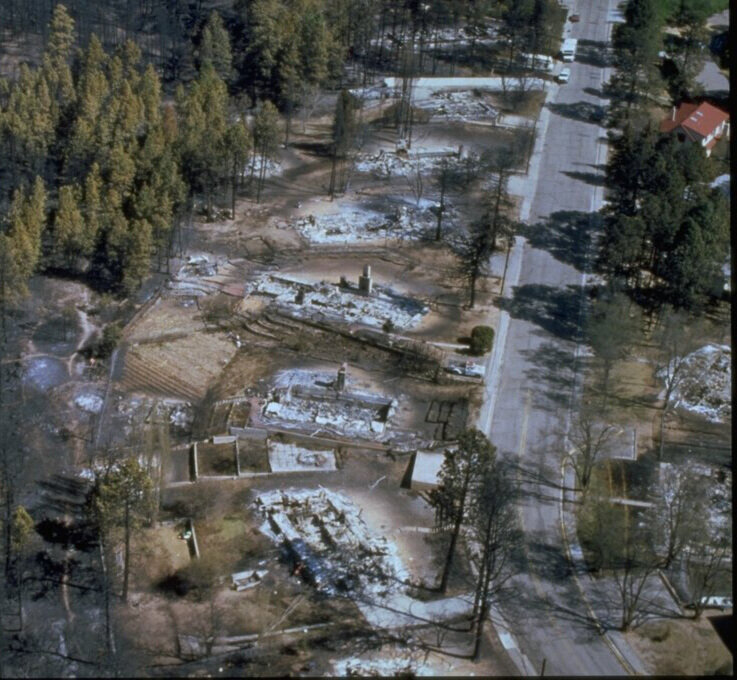
Community Destruction During Extreme Wildfires is a Home Ignition Problem
For the sake of fiscal responsibility, scientific integrity, and effective outcomes, it’s high time we abandon the tired and disingenuous policies of our century-old all-out war on wildfire, and fuel treatments conducted under the guise of protecting communities. Instead, let’s focus on mitigating Wildland/Urban fire risk where ignitions are determined – within the home ignition zone.

Don’t stop or shop, until you drop
“Permission has been given to use one blade wide dozer lines in the wilderness.”

Wildland Firefighting as an Extreme Sport
There are intrinsic gratifications for being a wildland firefighter that we dare not admit lest the public know that we're not into it just for the fame or fortune--we're in it for the fun!


Smokey Bear to Trump: You're AWOL!
A USDA-approved mask mandate outlines the consequences for employees who refuse to wear approved face coverings to prevent the spread of Covid-19.
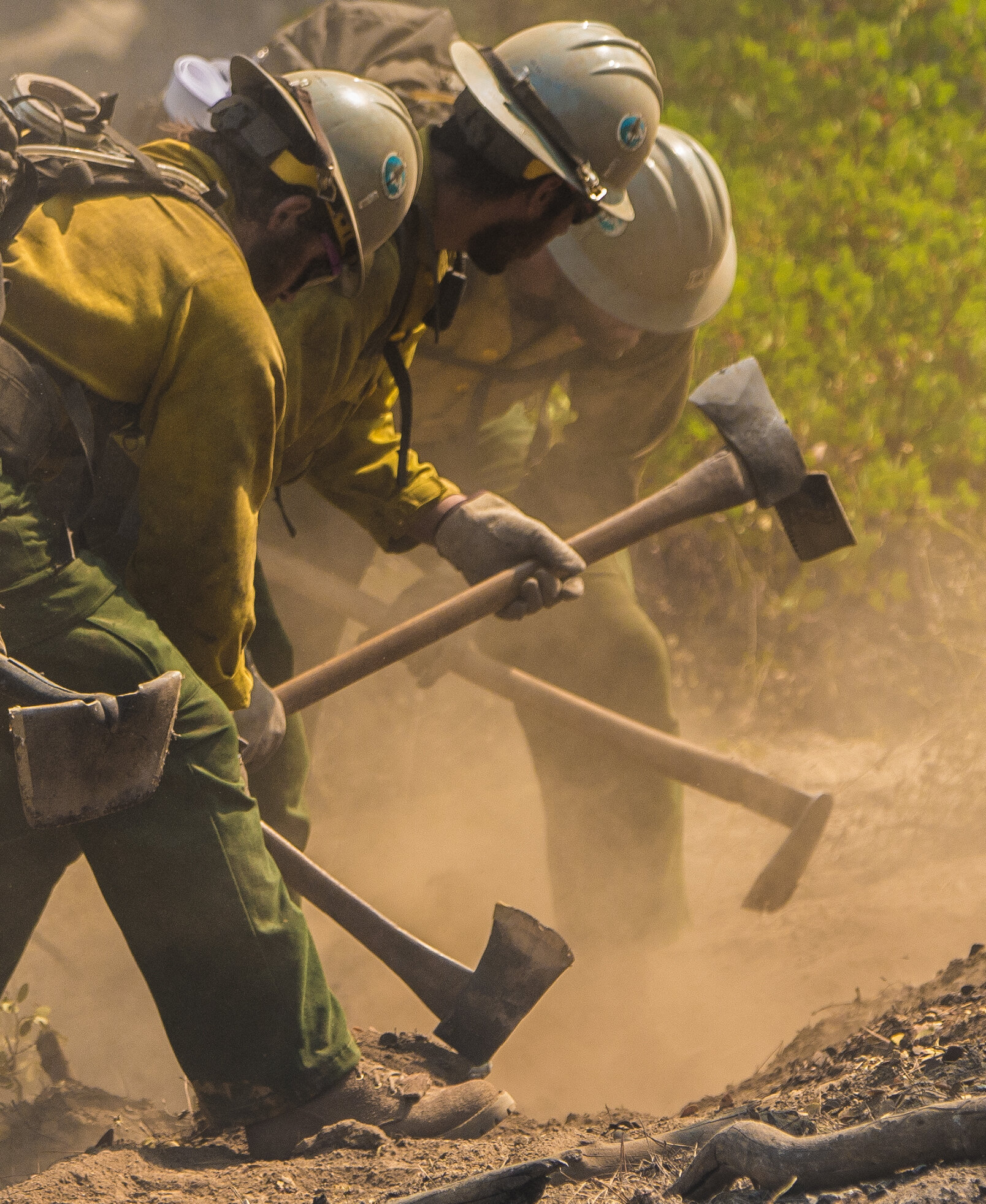
Solemn and Steadfast in the Year of Living Dangerously
Firefighters working on the line will face extreme difficulty maintaining healthy distance from each other.