Ending America's ‘Forever War’ on Wildfire
Many have dubbed the ongoing, prolonged military conflicts that litter the present political climate as “forever wars.” Most Americans are fed up with these perpetual conflicts, often started with empty promises from politicians and ending in massive numbers of lives lost and widespread destruction.
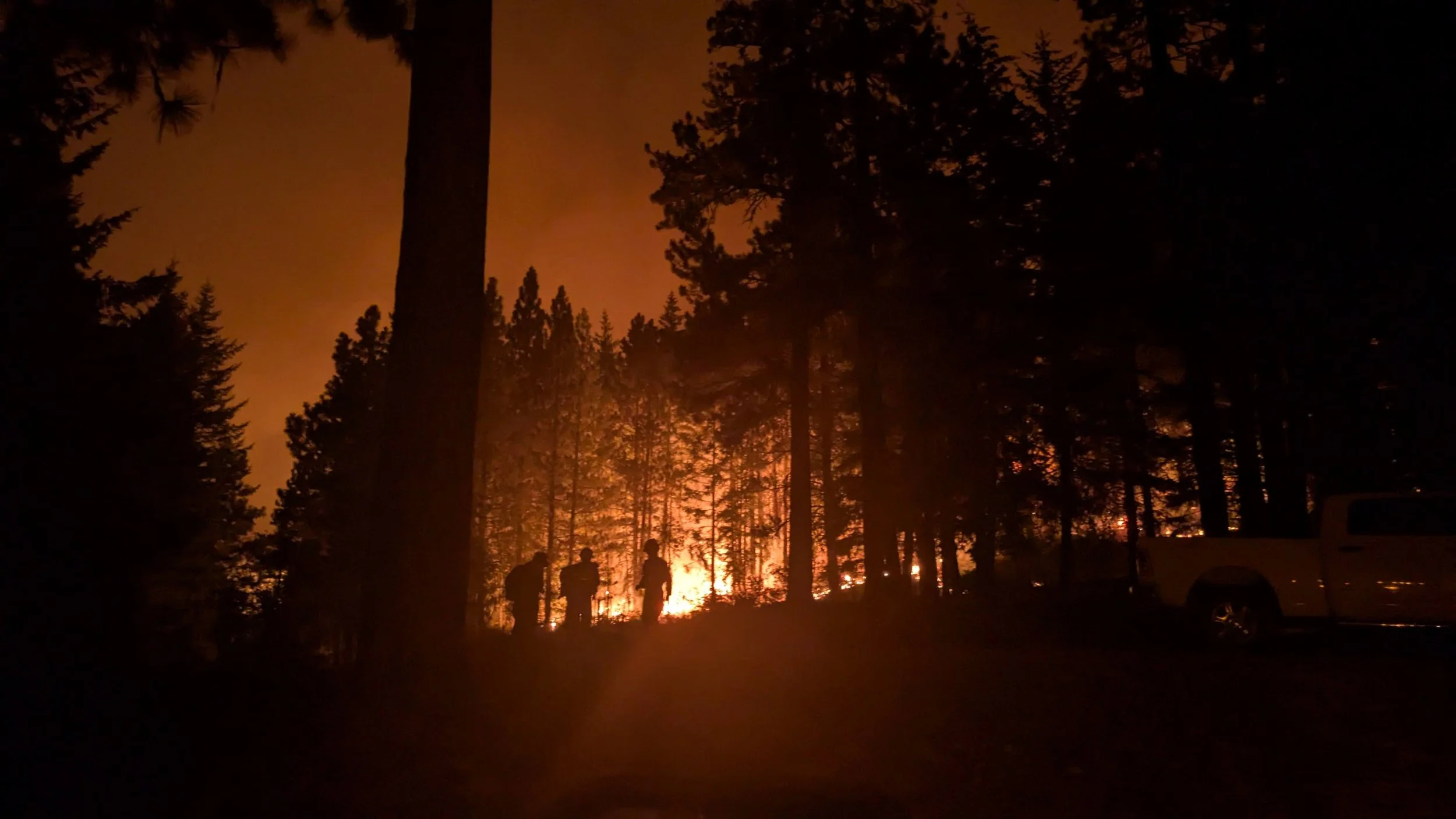
While these foreign “forever wars” can last decades, this is not the case with the “forever war” being waged on our home soil against the nation's public lands: the government's century-long war against wildfire.
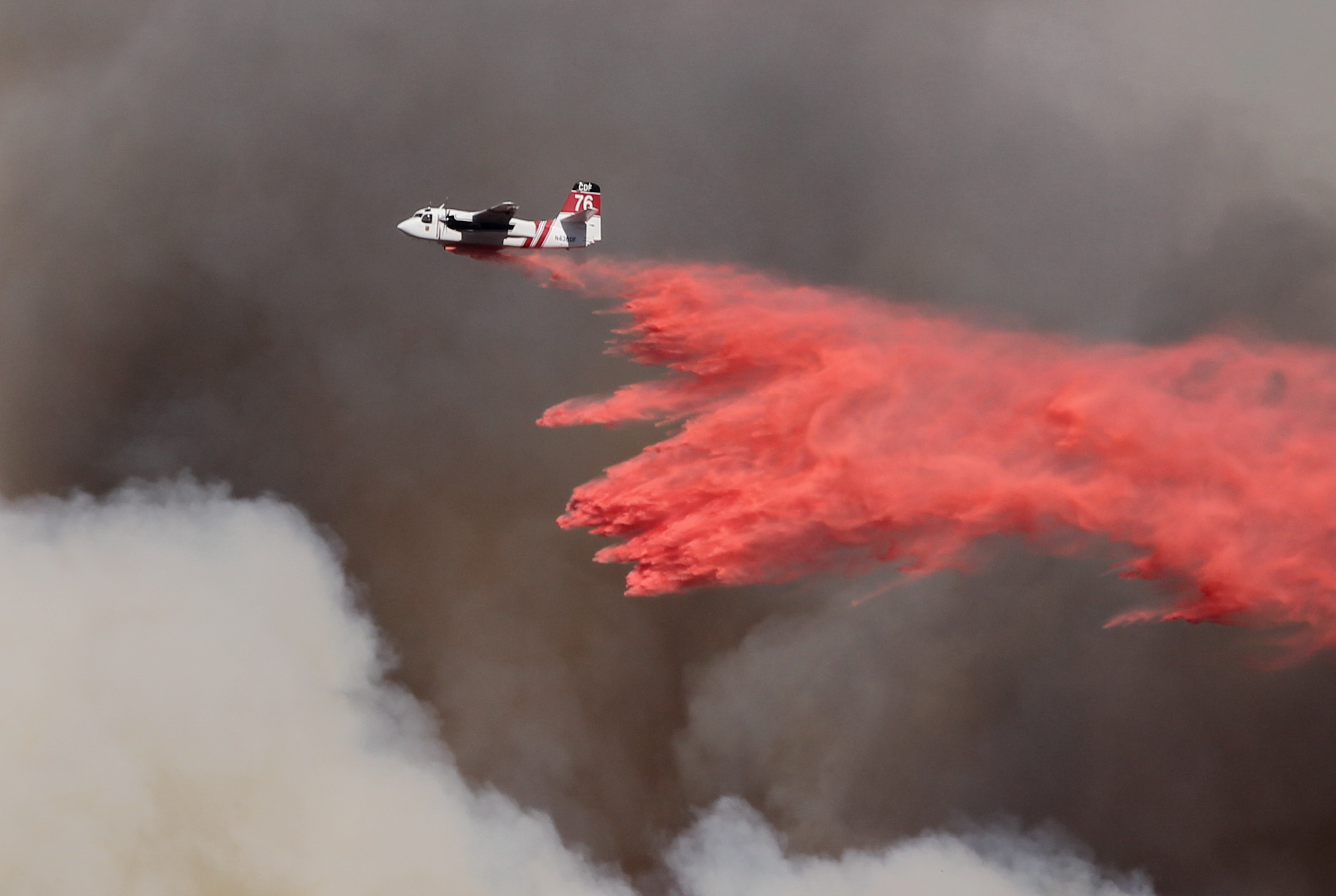
10 Ways that the Climate Crisis, Wildfires and Militarism are Intertwined
The war on wildland fire is simply an extension of our country’s extreme militarism – a place where veterans of foreign wars, wanna-be cops, and other conservative-minded men, mostly, can assemble, bond, and wrap themselves in a narrative of strength, heroism and sacrifice. There is a place for men and women to suppress fires near homes and vulnerable infrastructure. However, claiming glorious victory when fires are easiest to suppress, go out on their own, or when a break in the weather moderates conditions is disingenuous.

Cat Scratch Fever
The Mendocino Complex has taken its place in the record books–but probably not for long–as the largest wildfire in California state history. While the River Fire is 100% contained at this time, it is possible that the Ranch Fire may eventually burn over a majority of entire Mendocino National Forest before it stops its advance.
One thing that leaps out with a casual glance at the current fire map is the extensive use of dozers in primary and contingency firelines. Several of these dozerlines a.k.a. “catlines” come right up to and possibly encroach into the Snow Mountain Wilderness. In fact, the California Regional Forester gave permission for dozers to enter the wilderness with the blessing of the Mendocino Forest Supervisor.

Other Than Full Suppression
This essay was written in response to a recent post at Wildfire Today: Wildfire News and Opinion, titled, “Are we experiencing a “new normal” of wildland fire behavior?”